Skógafoss > Skógar Museum > Kvernufoss > Dyrhólaey Peninsula

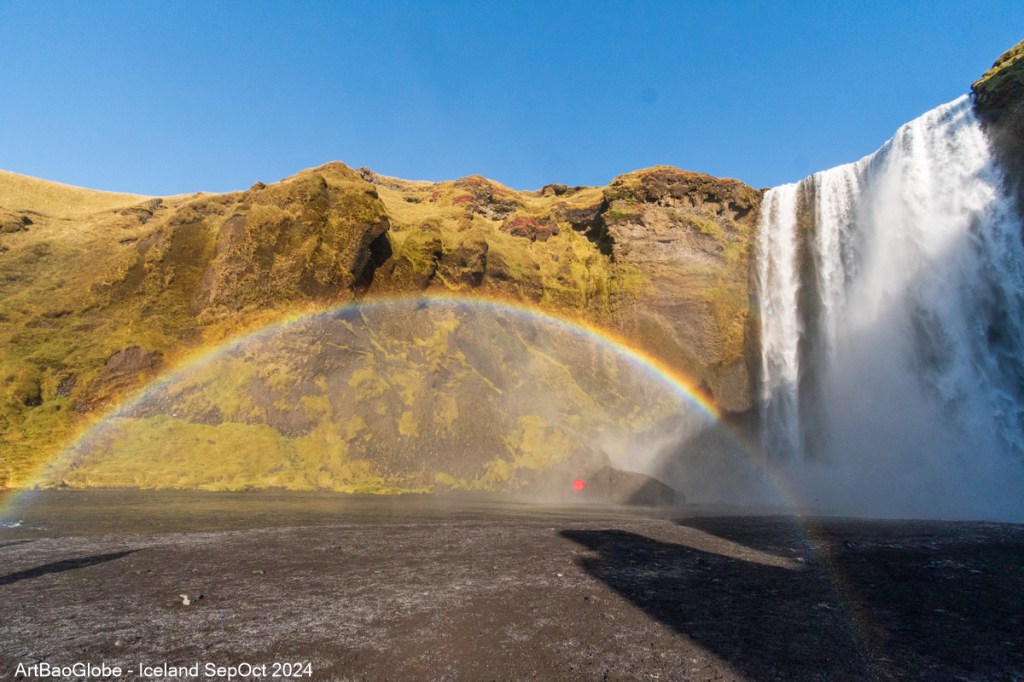
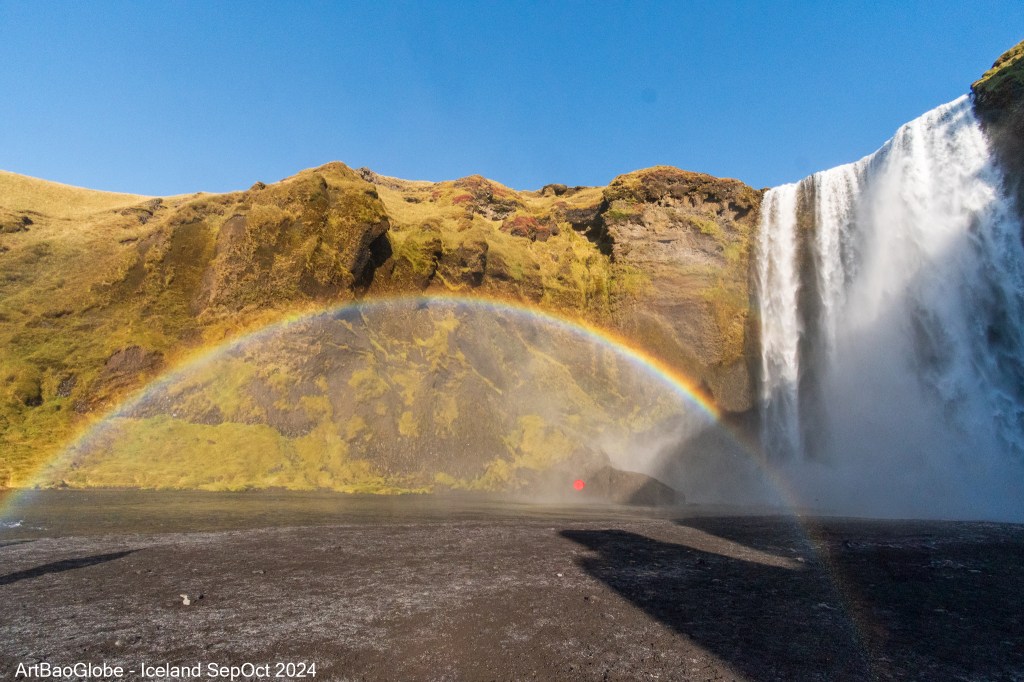
Skógafoss is one of Iceland most stunning and iconic waterfalls. With a width of 25m and a powerful 60m drop, it is nothing short of magnificent. The sheer force of the cascading water creates a constant mist, and on sunny days, rainbows often appear in the spray, a magical touch that makes the place feel almost surreal.
We arrived early, before the crowds, and had the falls almost entirely to ourselves. Standing at the base of Skógafoss, we felt incredibly small in the presence of natural power. The roar was thunderous, and the spray soaked us within moments but it was a refreshing and unforgettable experience that we would not trade for anything.
After soaking in the view from below, we climbed the long staircase to the top of the waterfall. The view from above is breathtaking, offering a dramatic look down the drop and out toward Iceland southern coastline.


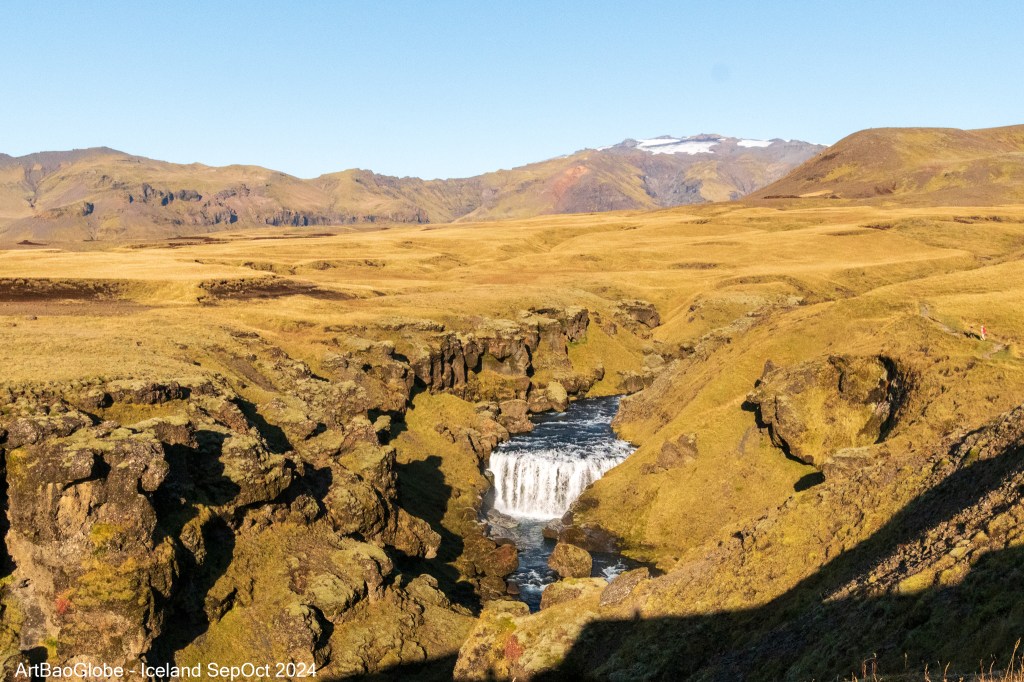
The weather was perfect for hiking, so we continued along the trail that follows the Skógá River. This route is part of the Waterfall Way hike, which forms the beginning of the multi-day Fimmvörðuháls Trail.
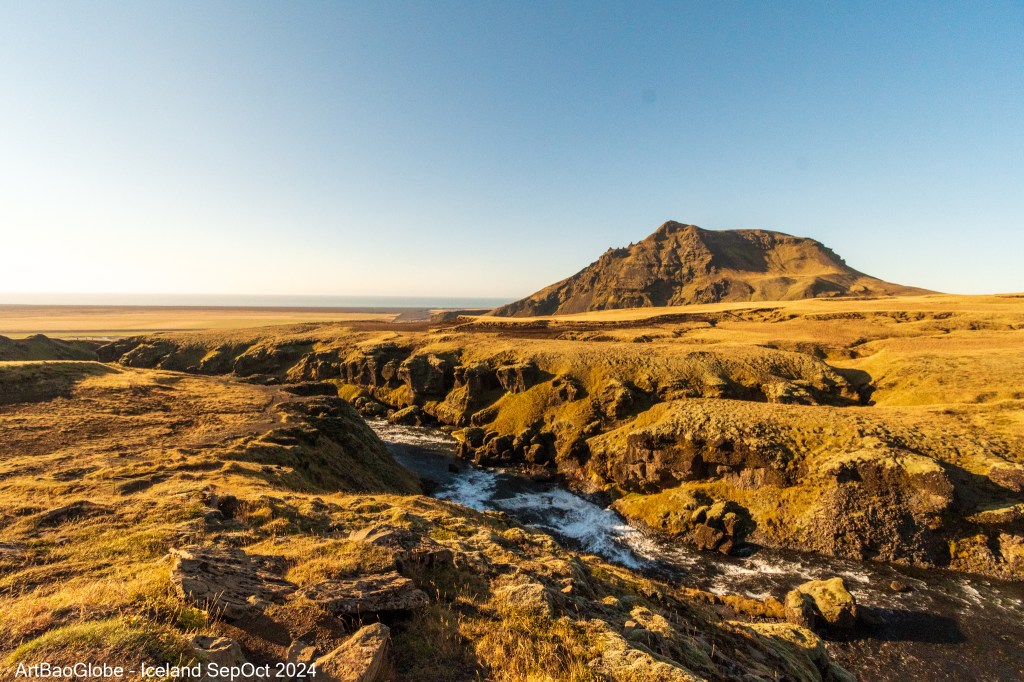
The full Waterfall Way hike stretches about 8km one way, but you can turn back at any time. The panoramic 360° views along the trail are simply incredible. The Skógá River originates near the Eyjafjallajökull and Mýrdalsjökull glaciers, carving its way toward the south coast and creating a series of breathtaking waterfalls along the way. Skógafoss being the grand finale before the river reaches the sea.
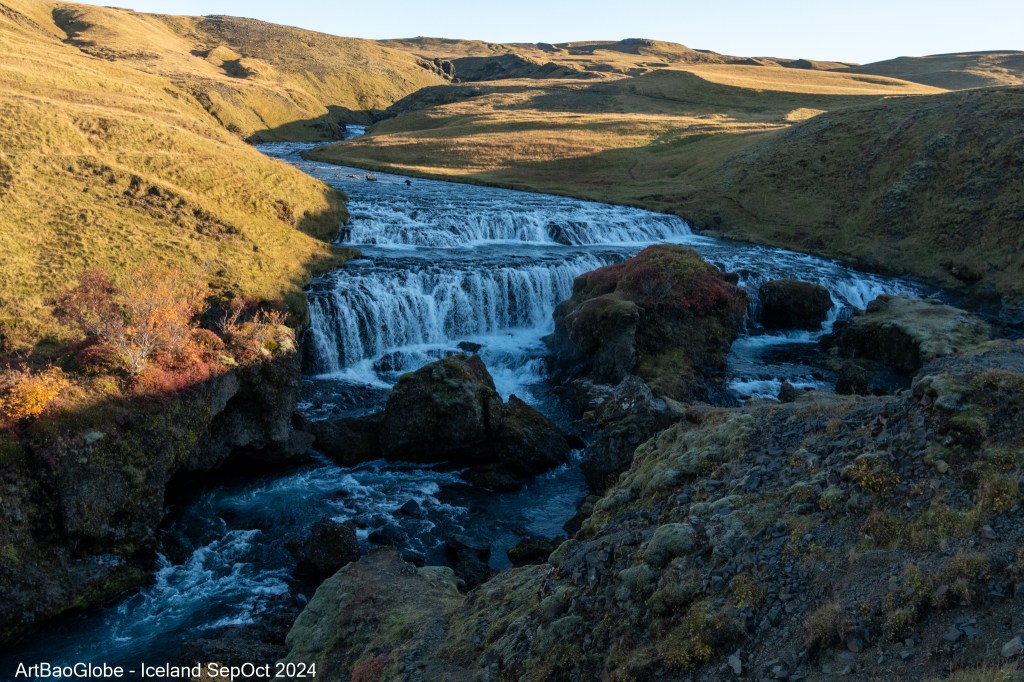
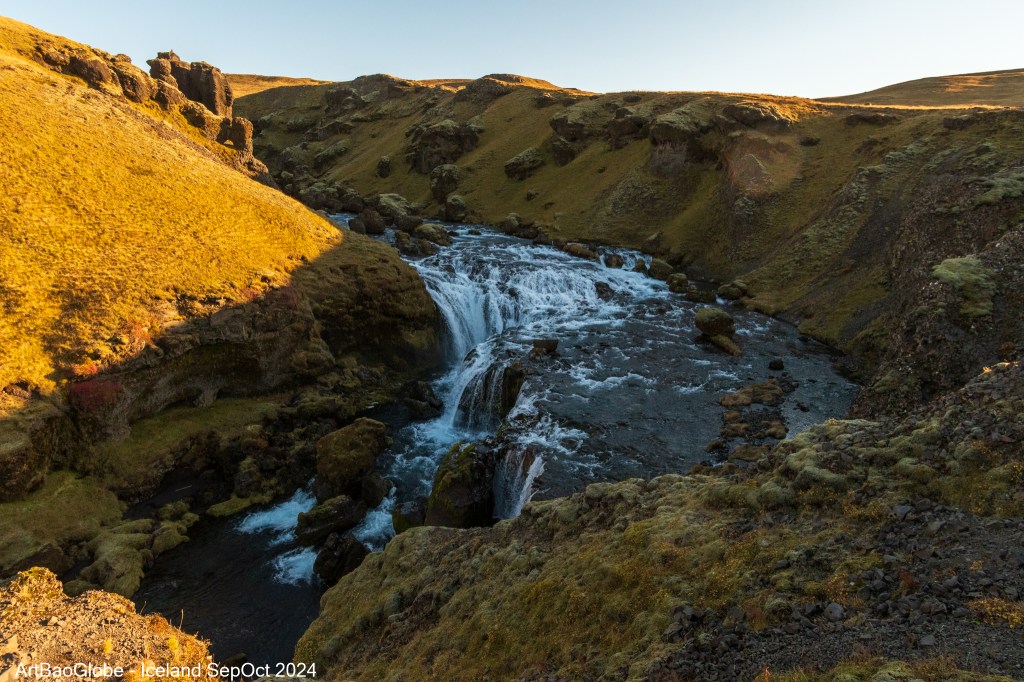
The first waterfall we encountered on the trail was Hestavadsfoss. As we walked further, the landscape became quiet and serene, filled only with the soothing sound of rushing water. We passed Hestavadsfoss, Fosstorfufoss, Steinbogafoss, and a small canyon before deciding to turn back. The trail features over 20 waterfalls in total, each unique and picturesque. The solitude, fresh air, and ever changing scenery made this one of the most peaceful and rewarding hikes we ever done.

By the time we returned to Skógafoss, the sun was fully up and just in time for us to catch a perfect rainbow arching beside the falls. It felt like nature grand finale, and we were so grateful to have witnessed it.
We had lunch at Mia’s Country Van, a cozy little food truck near Skógafoss. With outdoor seating and sunny weather plus views of the surrounding hills, it was the perfect spot to take a break. We ordered the fish and chips, and they were absolutely delicious, crispy on the outside, tender and flaky on the inside, and clearly made fresh to order. A simple meal, but incredibly satisfying after a morning of hiking and waterfall chasing.

For the next two hours, we enjoyed a relaxed and comfortable indoor visit to Skógar Museum. Established in 1949 by Þórður Tómasson, the museum is thoughtfully divided into three main sections:
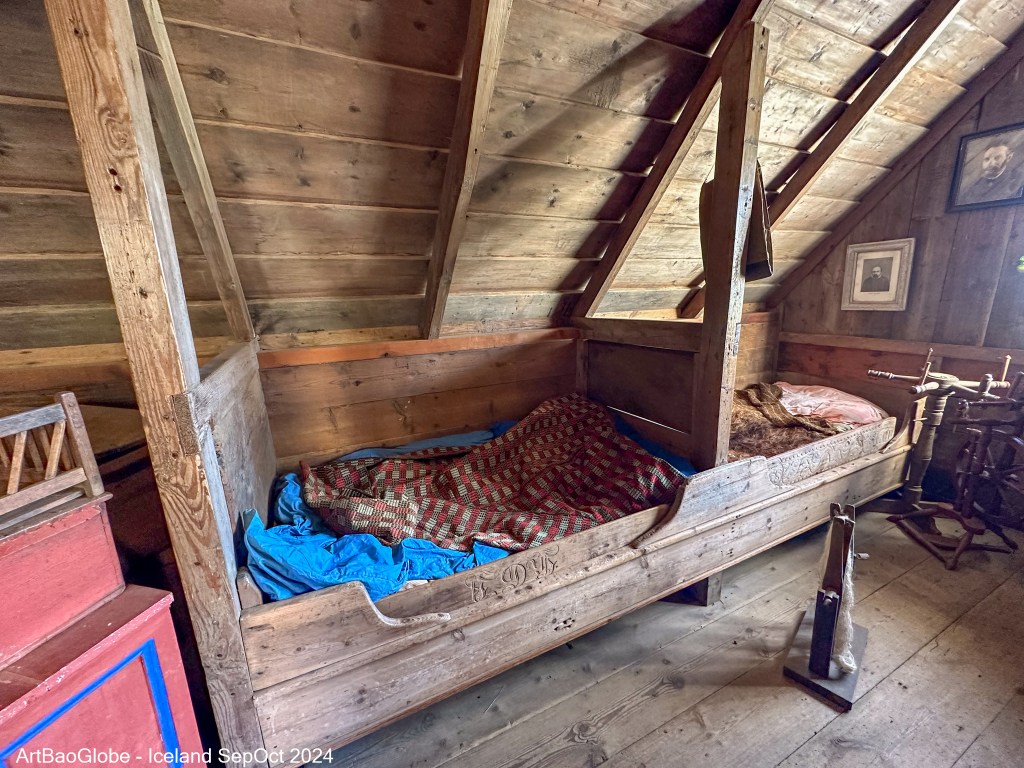
The Folk Museum : A fascinating collection of historical artifacts and everyday tools that offer a window into the daily life of Icelandic people in the past. From kitchen utensils to traditional clothing, each item tells a story.
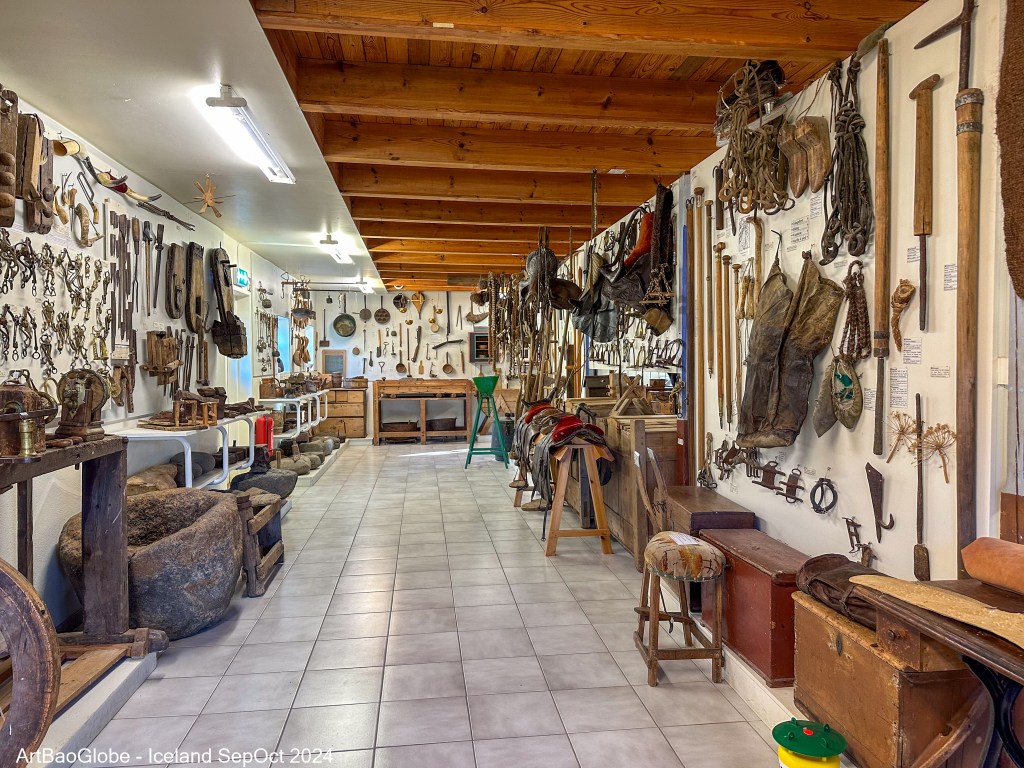
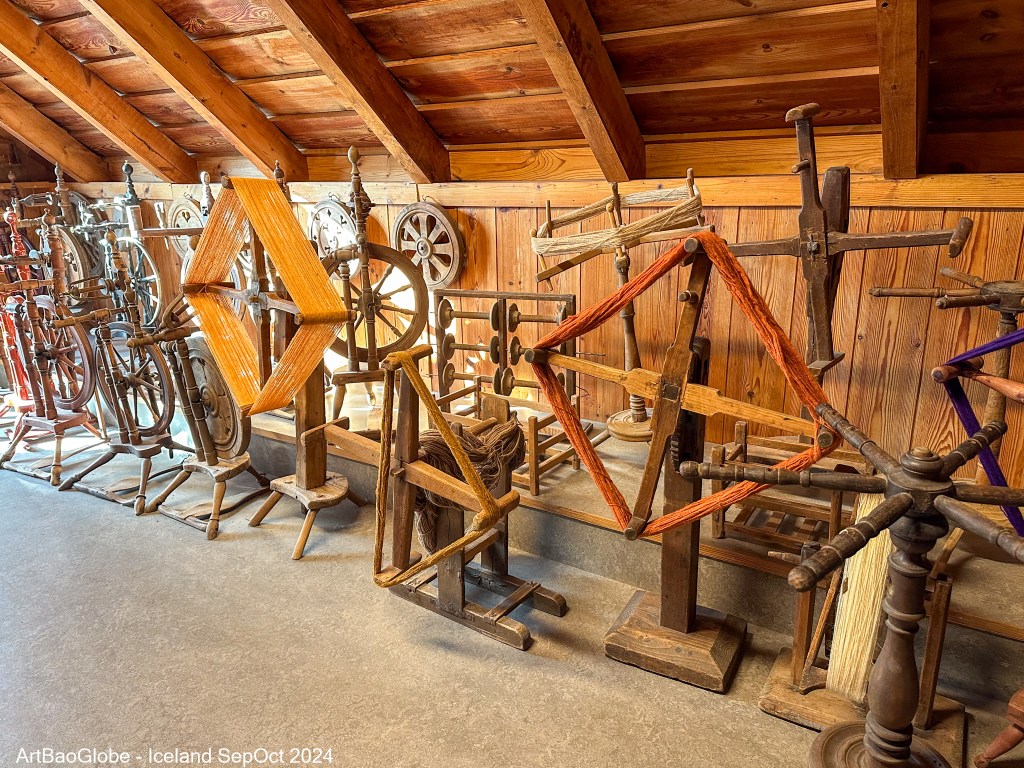
The Open-Air Museum : Here visitors can step inside beautifully restored turf houses and traditional buildings. Walking through these structures felt like stepping back in time, offering an authentic glimpse into how people lived in earlier centuries.
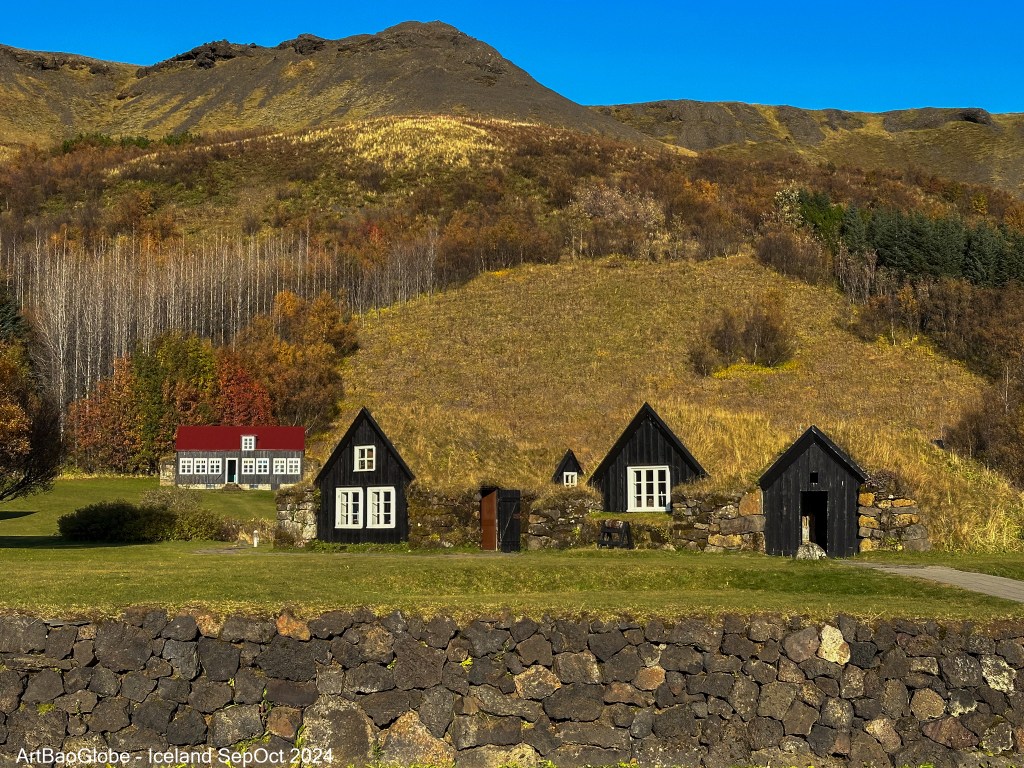
The Technical Museum : This section focuses on the development of transport, communication, and technology in Iceland from the 19th to the 20th century. It’s an impressive look at how innovation gradually shaped modern life in such a remote and rugged landscape.


Just a short walk from the Skógar Museum lies Kvernufoss, another spectacular waterfall that is often overlooked by the crowds at Skógafoss. With a graceful 30m drop, Kvernufoss offers a more intimate and adventurous experience. Tucked away behind a narrow gorge, reaching it requires a short and easy hike, about 1 km along a mostly flat trail. The path itself is scenic, winding through a peaceful valley that builds anticipation as the sound of the falls gradually grows louder. What makes Kvernufoss especially memorable is that you can actually walk behind the waterfall, getting incredibly close and experiencing it from multiple angles. Surrounded by mossy cliffs and misty spray, it feels like discovering a hidden gem. Quiet, powerful, and utterly enchanting.

The Dyrhólaey Peninsula is a 120m high promontory famed for its dramatic views over Iceland’s stunning South Coast. It marks the southernmost point of mainland Iceland, and its name “Dyrhólaey” translates to “door hill island,” a reference to the striking natural arch carved into the cliffs by the sea.
Driving up to the upper viewpoint, you are rewarded with a breathtaking 360 degree panoramic view. In every direction, there is something spectacular: vast black sand beaches stretching endlessly along the coastline, the shimmering outline of distant glaciers, the historic Dyrhólaey Lighthouse, and of course, the iconic stone arch jutting into the sea.
The lower viewpoint is just as captivating, offering close-up views of dramatic rock formations and the powerful waves of the Atlantic crashing against the cliffs. Whether for photography, birdwatching, or simply to soak in the scenery, Dyrhólaey is a must visit highlight of the South Coast.


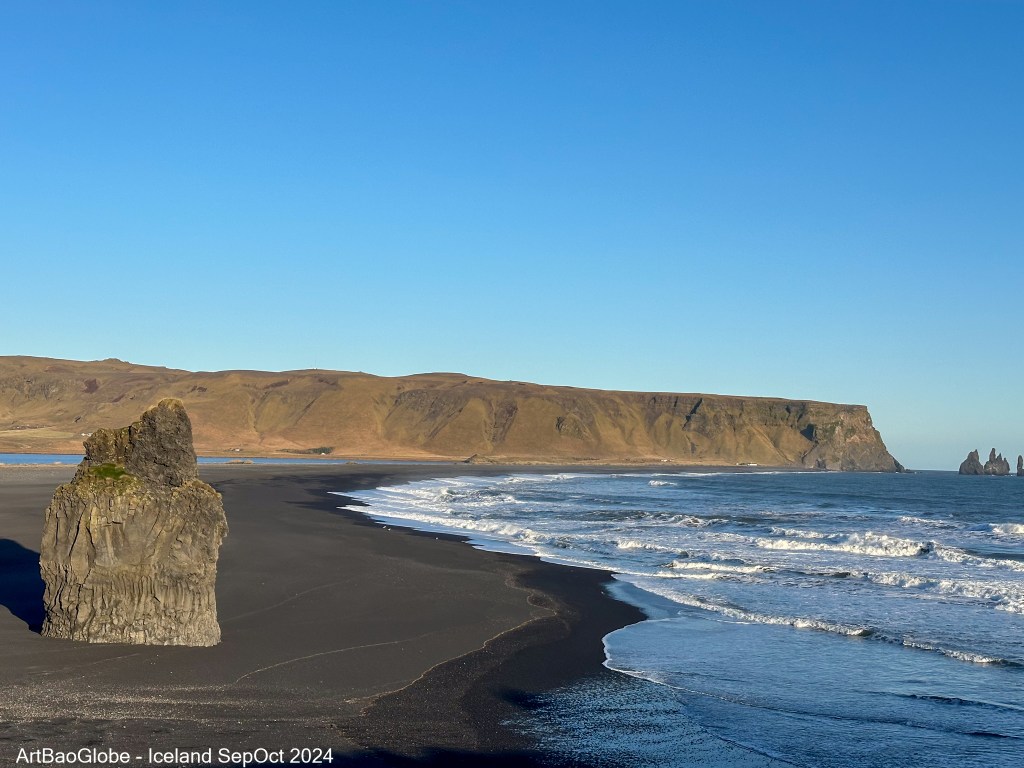
Nearby, we came across a beautiful “mirror lake”, perfectly still and offering a stunning reflection of the surrounding landscape plus ourselves. We could not resist stopping for a few photos, it was an unexpected and truly picturesque moment.
This was the busiest spot we had encountered in Iceland so far. From the temporary parking area, we walked a short distance before reaching Reynisfjara Beach, the country most famous black sand beach, renowned for its dramatic basalt column formations and striking coastal scenery. There were crowds of people scattered across the beach, all drawn by its raw beauty. Despite the hustle and bustle, the sunset scene was picture perfect, casting a golden glow over the dark sands and sea stacks. Reynisfjara is also known for its powerful waves and dangerous sneaker waves, which can appear without warning. Signs are posted as a reminder to stay a safe distance from the water, and its advice well worth following. We stayed just long enough to take in the view and snap a few photos, then made our way back to the parking area before it got too dark.


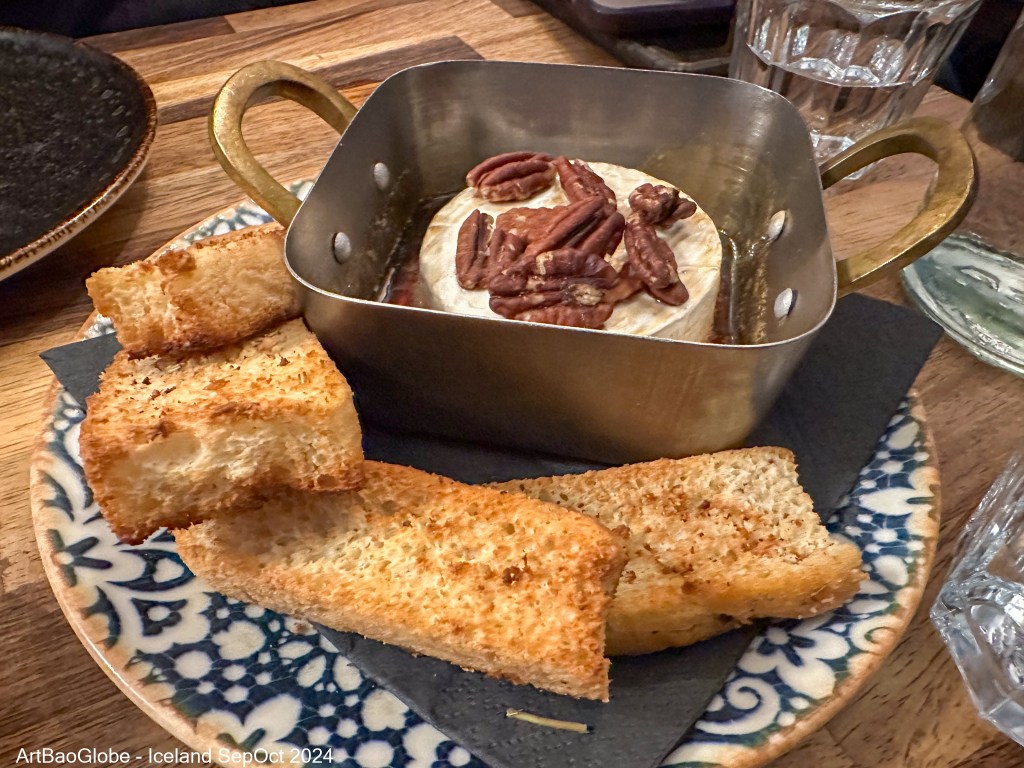
We had dinner at Suður-Vík, a popular local favorite in the town of Vík. We were lucky to arrive just before the crowd poured in, though we still had to wait a while for a table. Every dish we tried was delicious and full of flavor, clearly made with care and quality ingredients. It’s easy to see why this place is so well-loved by locals and why there is a long queue. A cozy atmosphere, friendly service, and outstanding food made it a perfect way to end the day.


After witnessing the breathtaking aurora the night before, we decided to try our luck again, this time at the Dyrhólaey upper viewpoint, where the view is completely unobstructed in all directions. And once again, we were lucky. Not long after we arrived, the northern lights began to emerge, slowly dancing across the sky. Soon, the entire horizon was alive with shimmering waves of green and purple, swirling and shifting like a celestial disco party. It was a jaw-dropping spectacle, surrounding us on all sides.
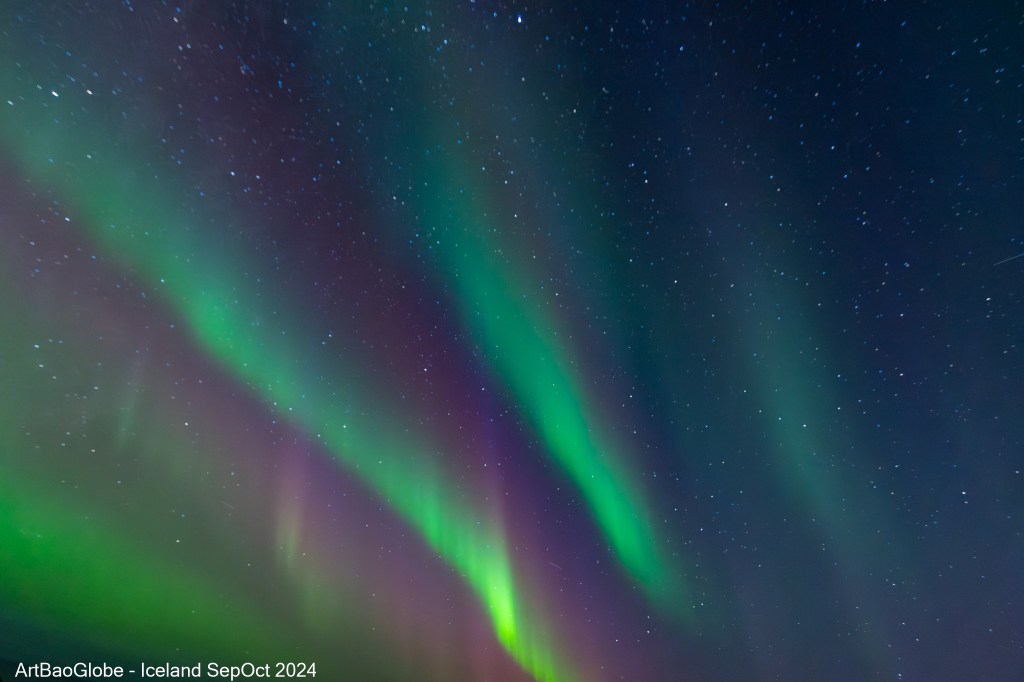
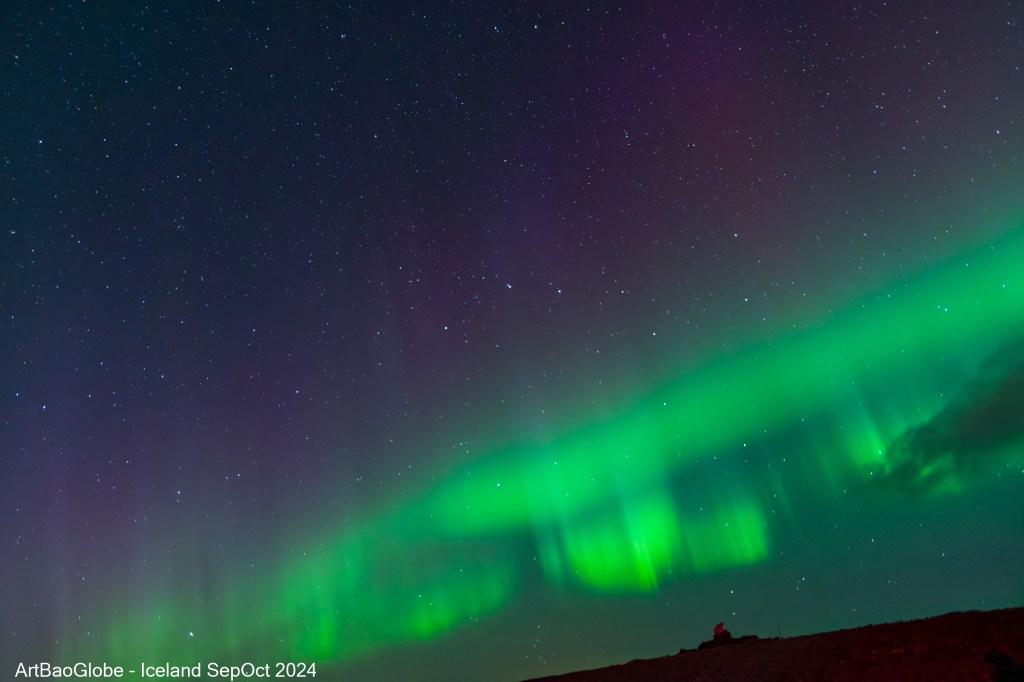


Two unforgettable nights in a row, under the breathtaking magic of the aurora, memories we carry with us forever.
What a day, nature wonders in Iceland are truly spectacular.
Overnight at Hotel Katla by Keahotels
 Art Bao Globe