Day 1 : Perth to Cervantes
Lake Thetis
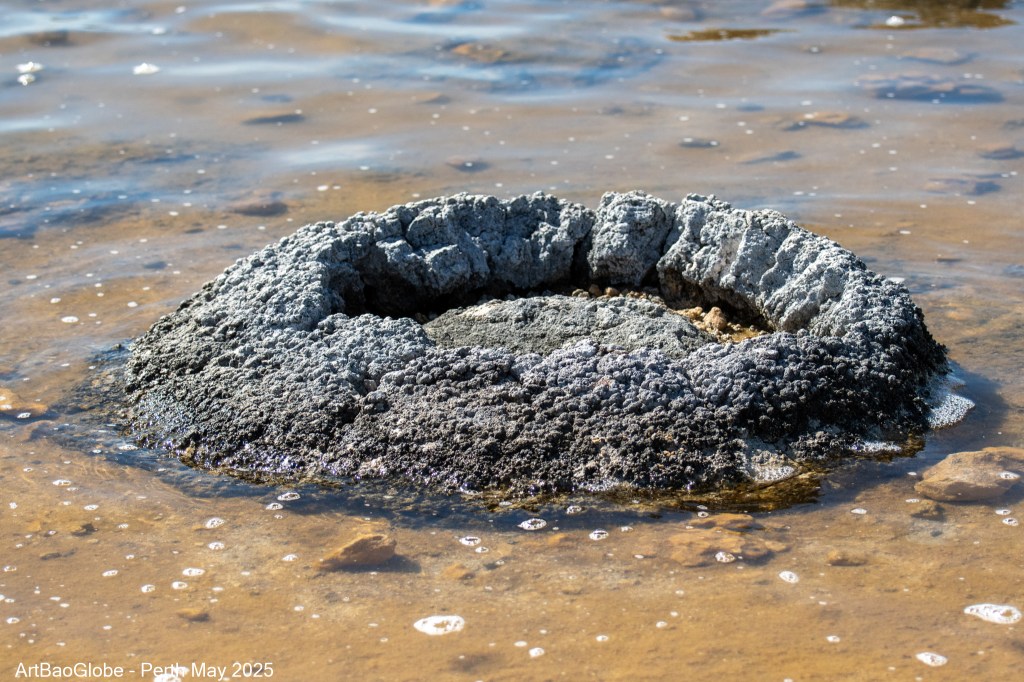
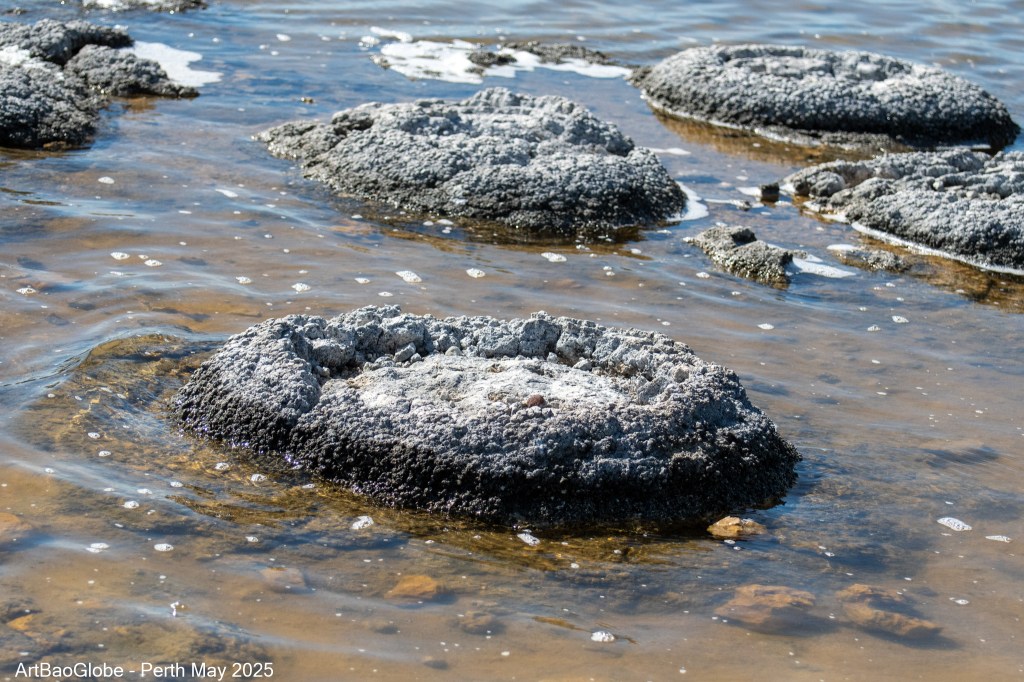
Tucked away at Lake Thetis lies one of the rare places on Earth where you can witness a true “living fossil” This tranquil lake is home to stromatolites, ancient microbial formations that date back an incredible 3.5 billion years. Slowly built over time by layers of microorganisms, these structures offer a glimpse into some of the earliest life on our planet. Alongside them, you can also find thrombolites, which form in a more clotted, irregular pattern, making Lake Thetis one of the few places where both exist side by side. A short 300m boardwalk gently guides you along the lake to a designated viewing area. It is an easy, peaceful walk that lets you take in this extraordinary natural wonder while ensuring the delicate ecosystem remains protected for years to come.
Nambung National Park : The Pinnacles Desert
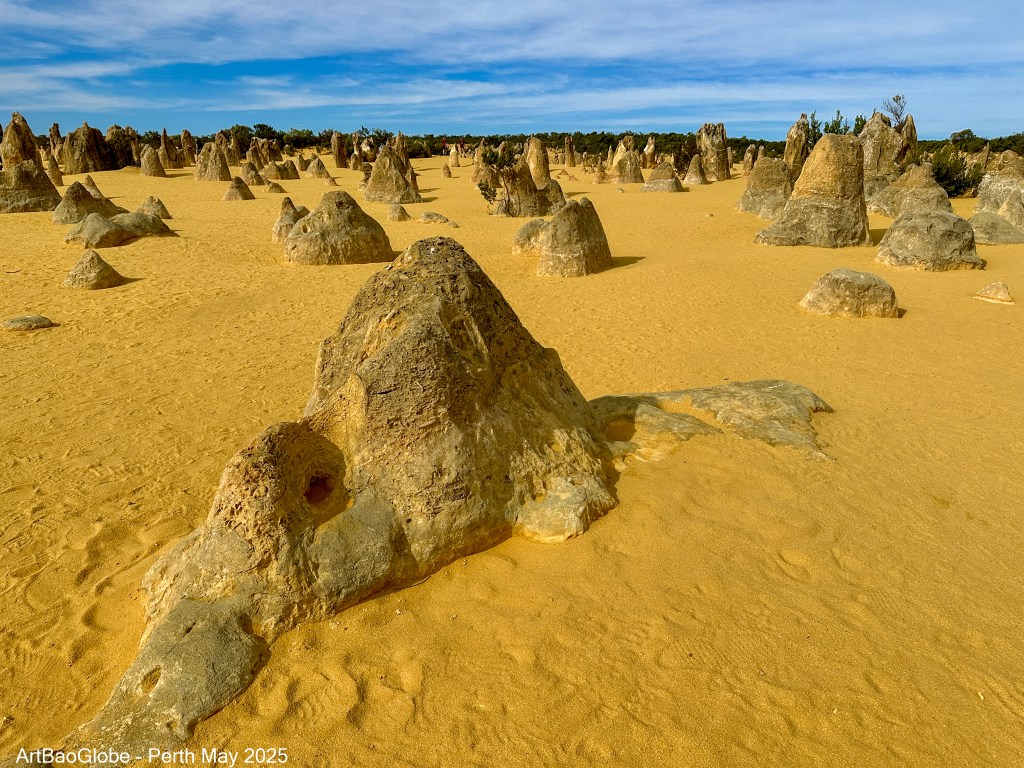
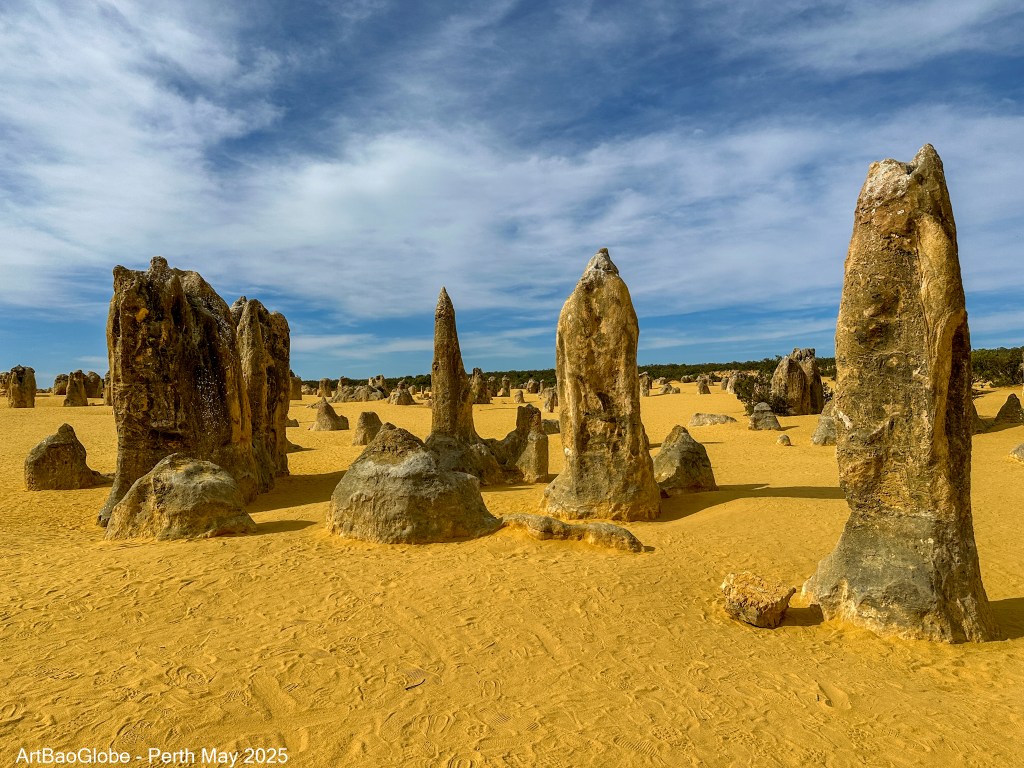
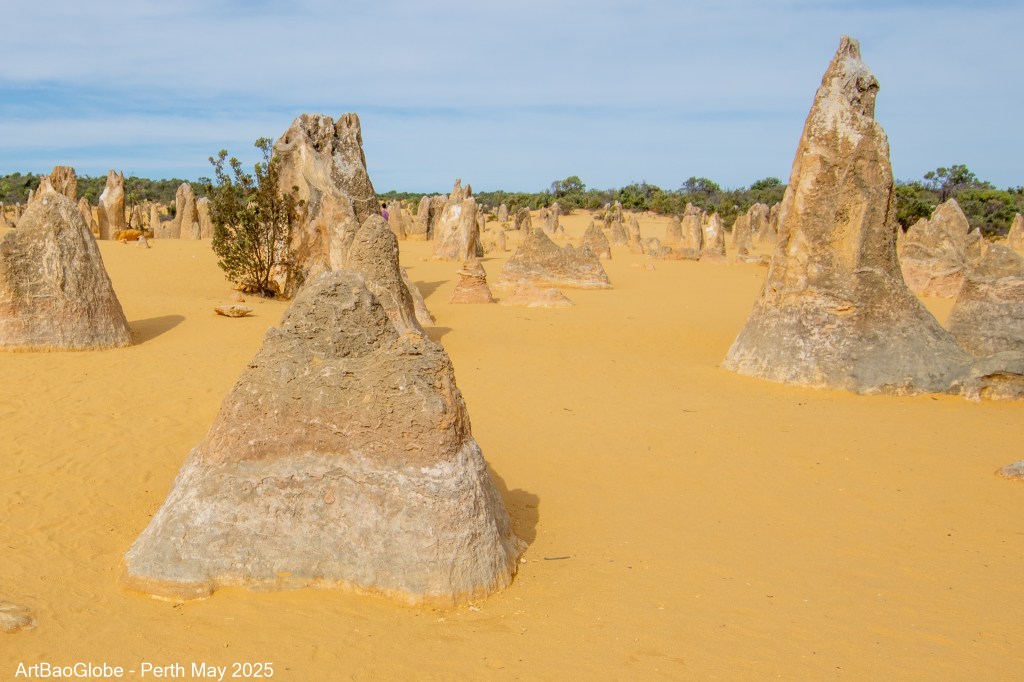
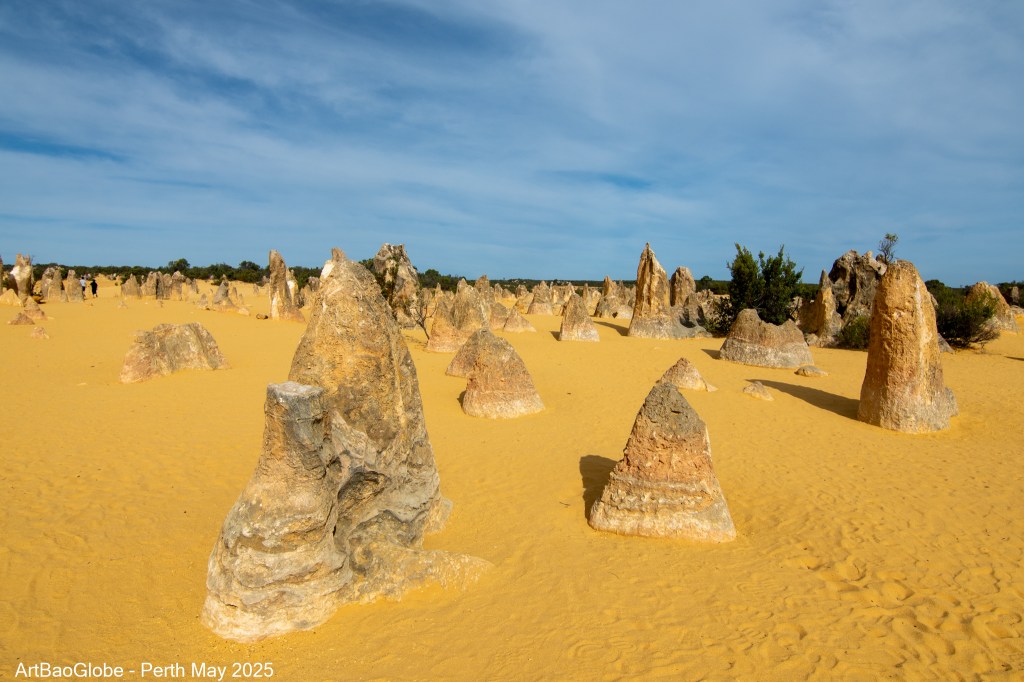
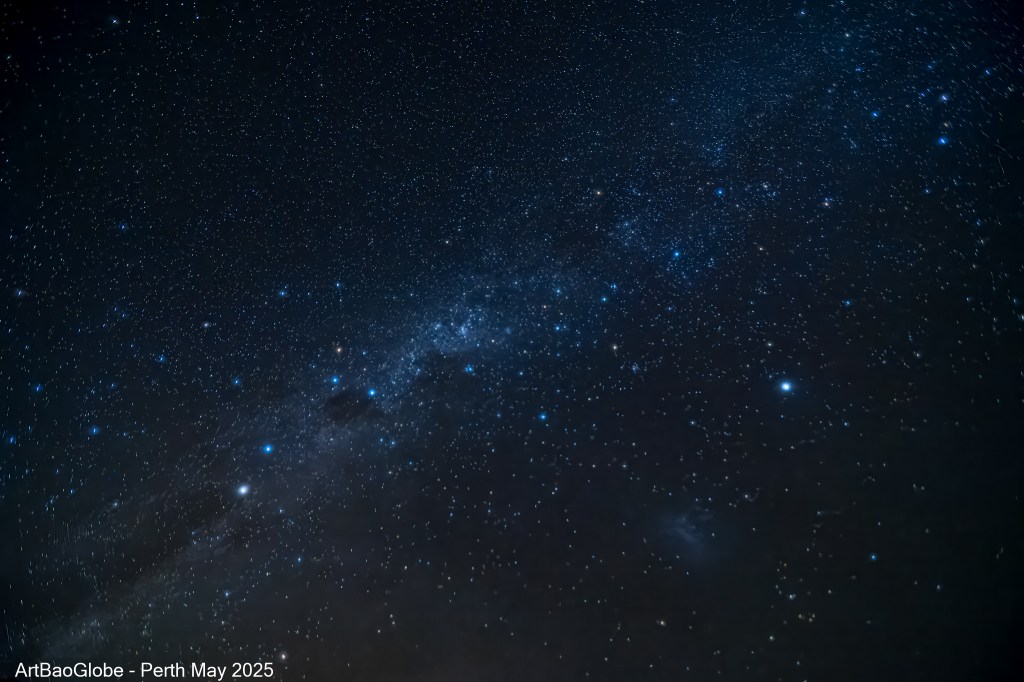
Located within Nambung National Park, the Pinnacles Desert is one of Western Australia most captivating natural wonders. Famous for its striking, almost otherworldly landscape, the limestone formations here are believed to be around 25,000 to 30,000 years old. The Pinnacles were formed after the sea receded, leaving behind deposits of seashells. Over time, coastal winds slowly eroded the surrounding sand, gradually revealing these limestone pillars. No two formations are alike, each one uniquely shaped by nature and time. The columns vary in height and form, with some rising up to 3.5m. You can explore the desert via a 4.5km scenic drive loop with several lookout points, or take the 1.2km walking trail for a more immersive experience. Walk among the Pinnacles, notice the intricate textures, shifting shadows, and a quiet stillness that invites you to slow down and appreciate how patiently nature crafts its masterpieces over thousands of years. With minimal light pollution, the Pinnacles Desert also transforms into an incredible stargazing spot after dark. As night falls, the ancient limestone pillars stand silhouetted beneath a vast, star filled sky making the landscape feel just as magical, if not more, under the stars.
The Lobster Shack
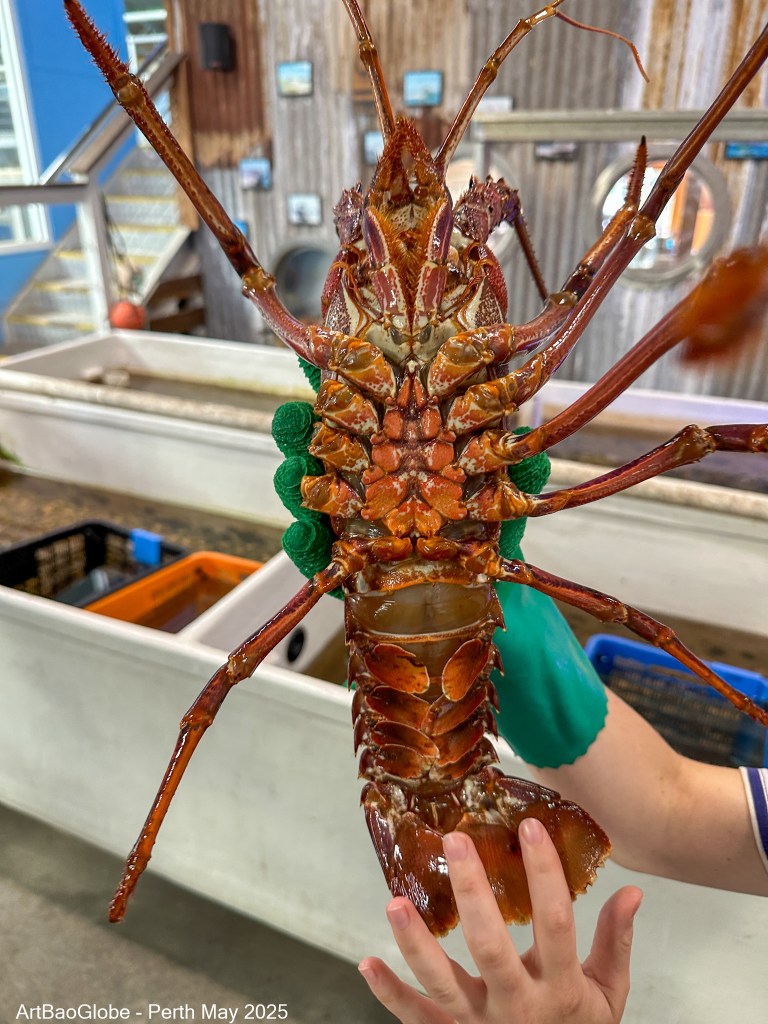
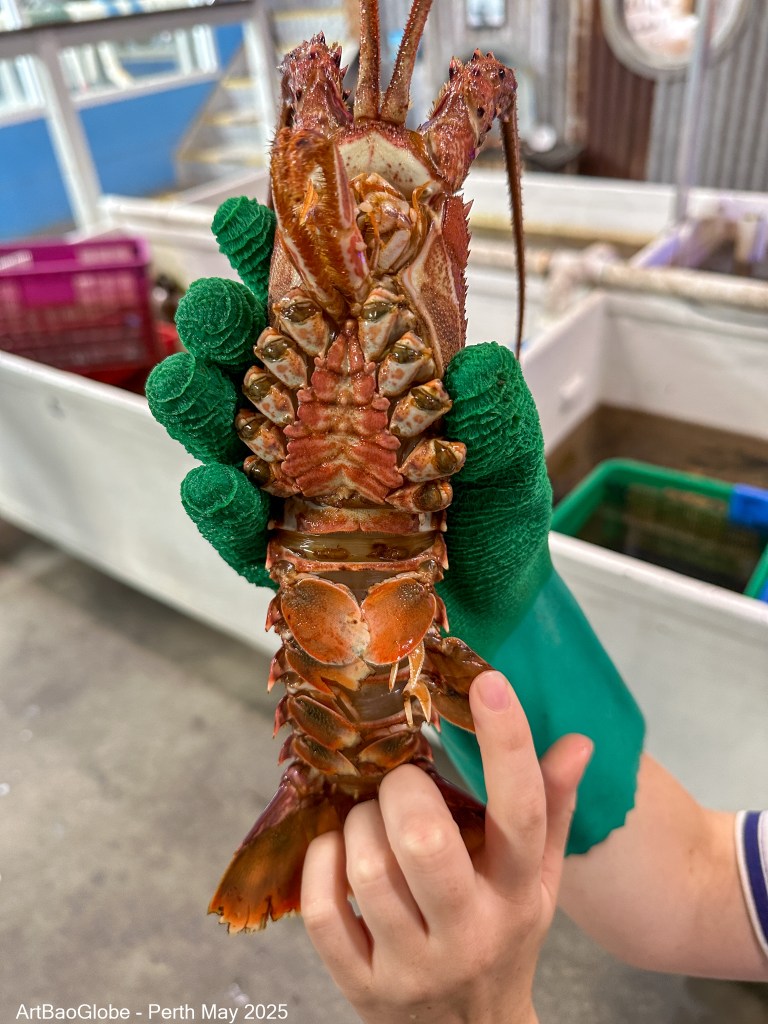
Cervantes is a charming coastal town best known for its crayfishing heritage and its prized Western Rock Lobster. One of the best places to enjoy this local delicacy is at The Lobster Shack, a family run spot that perfectly captures the laid-back seaside vibe. Dining there is a simple yet memorable pleasure. Freshly cooked lobster served with sweeping ocean views, where the experience is just as satisfying as the meal itself. Do not miss the factory tour. It offers a behind-the-scenes look at the local crayfishing industry, giving you a deeper appreciation of the journey from ocean to plate and the hard work that brings this iconic seafood to your table.
Day 2 : Cervantes to Kalbarri
Dynamite Bay
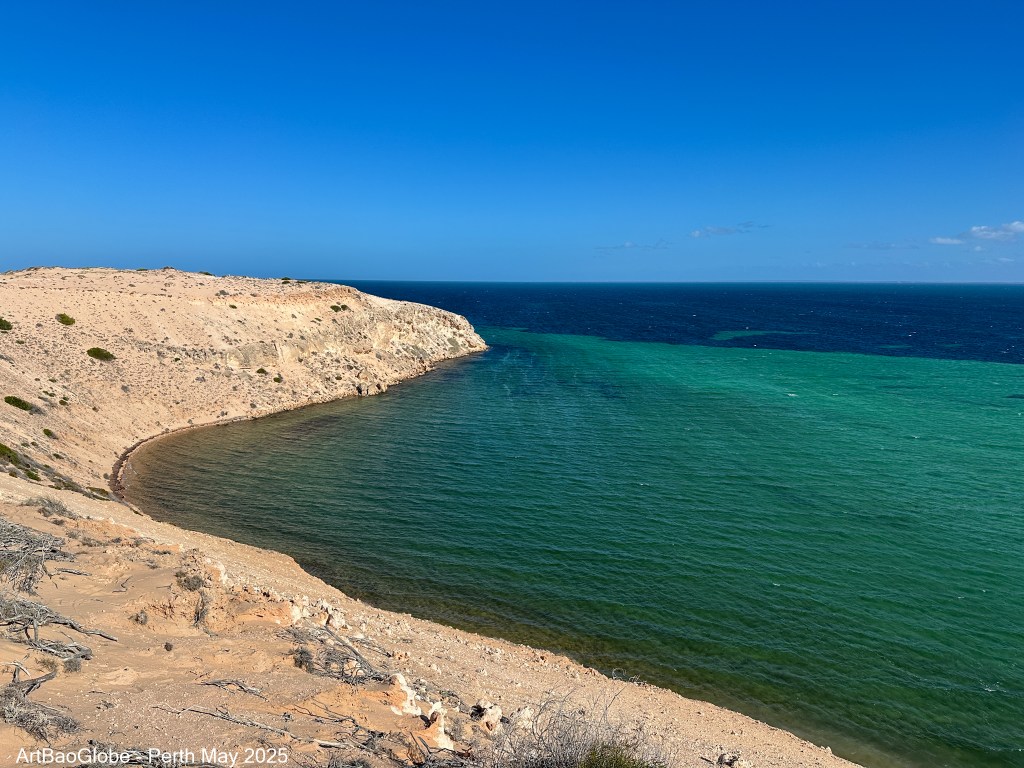
Tucked away in Green Head, Dynamite Bay is a stunning coastal spot that feels both peaceful and untouched. A short scenic walking path leads up to a lookout, where you are rewarded with sweeping views of turquoise waters meeting rugged, windswept shores. It is the kind of view that instantly makes you pause. Whether on a road trip or just passing through, this is a perfect little rest stop to stretch your legs, breathe in the fresh ocean air, and take a quiet moment to slow down. Sometimes, it is these simple, unhurried pauses that become the most memorable parts of the journey.
Greenough Leaning Tree
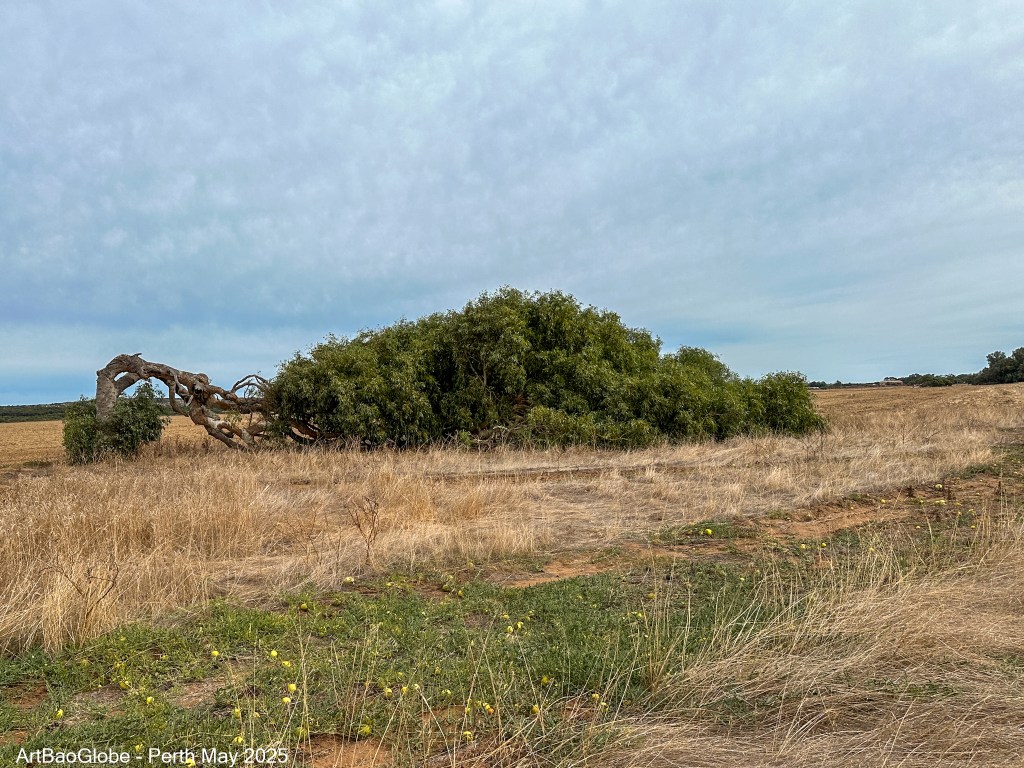
Located near Greenough, the Leaning Tree of Greenough is a fascinating natural landmark shaped by time and resilience. The unique tree belongs to the Western Australian species Eucalyptus camaldulensis, more commonly known as the River Gum. While it is a hardy grower, its branches are relatively weak. Over the years, persistent strong southerly winds have worn away growth on the windward side, gradually pushing the tree to lean dramatically in the opposite direction. Standing before it, the tree feels like a quiet lesson in adaptation. It is a reminder that nature is not shaped by a single moment, but by the steady, unseen forces acting over time, patiently, persistently, and beautifully.
Hutt Lagoon
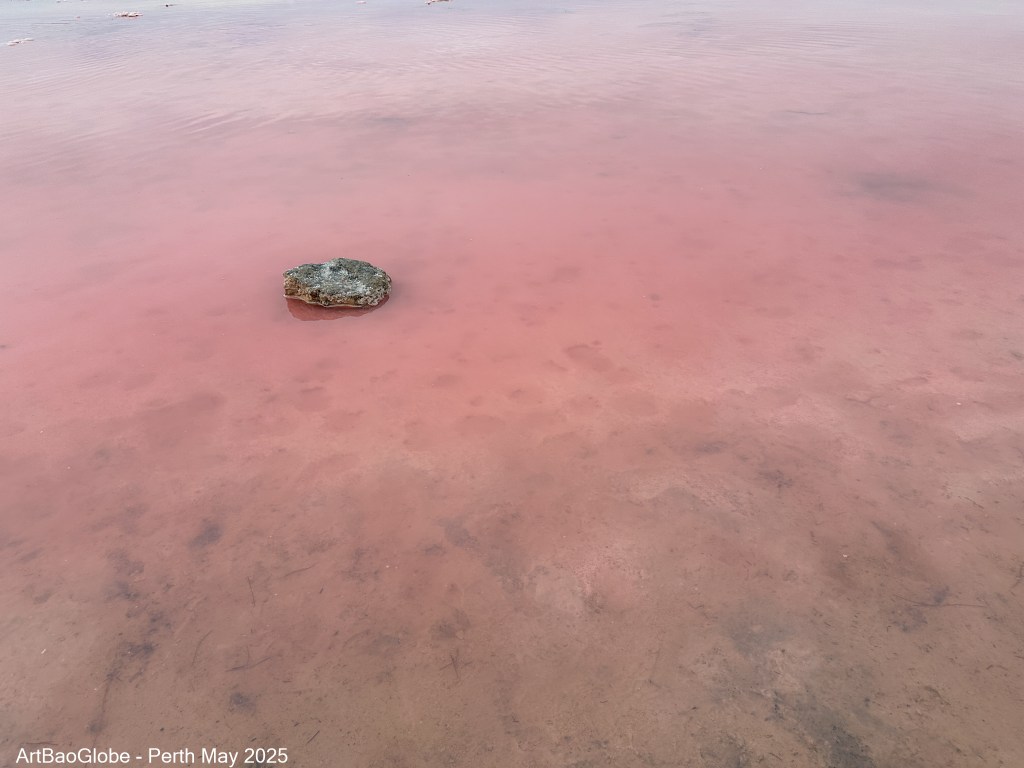
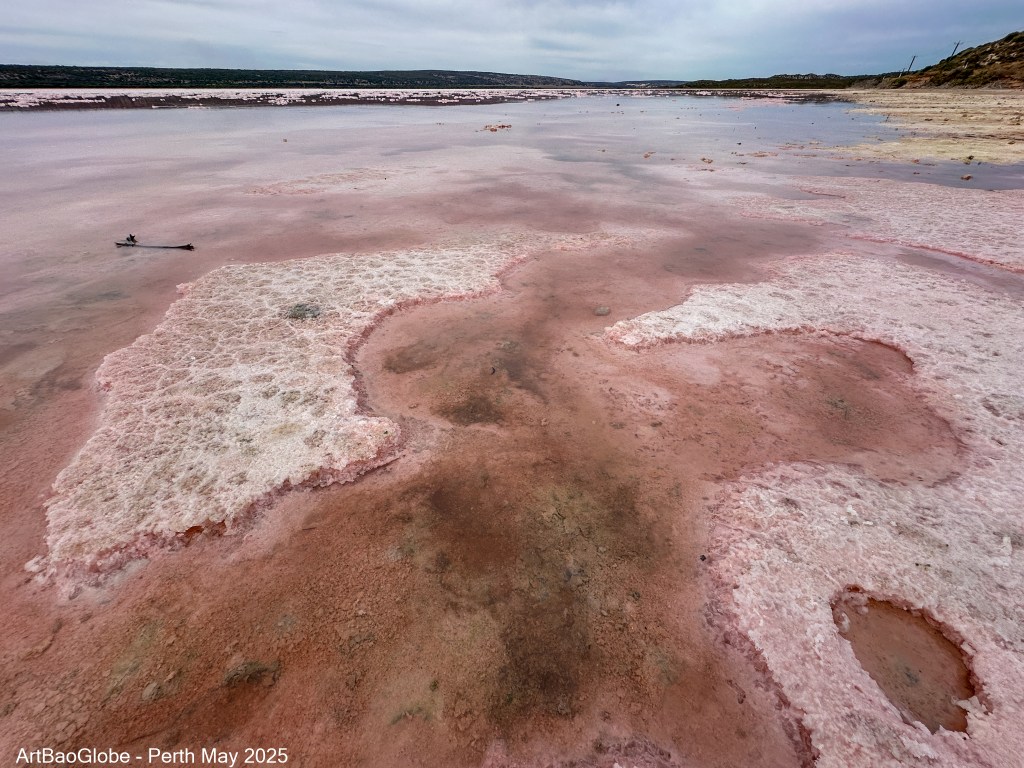
Hutt Lagoon, also known as the Pink Lake, is a true highlight along the Coral Coast Highway. Its striking pink hue comes from Dunaliella salina, a type of carotenoid-producing algae that is also a natural source of beta-carotene. Depending on the sunlight and time of day, the lagoon constantly transforms, shifting from soft blush tones to deep purples, and at times even a vivid red. For the best views, head to higher ground for a sweeping panoramic perspective. Then, take a walk along the shoreline to experience the colours up close, where subtle gradients and reflections make every step feel different. Seeing Hutt Lagoon in person is a reminder of how beautifully unpredictable nature can be, never quite the same, yet always mesmerizing.
Kalbarri Coastal Cliffs
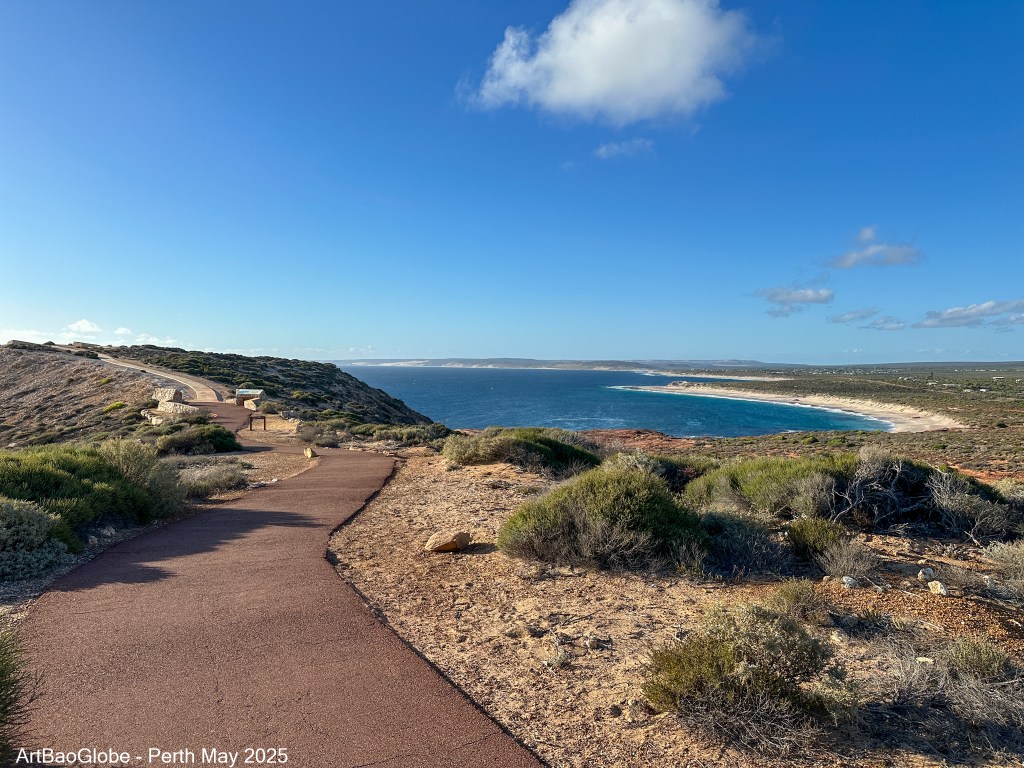
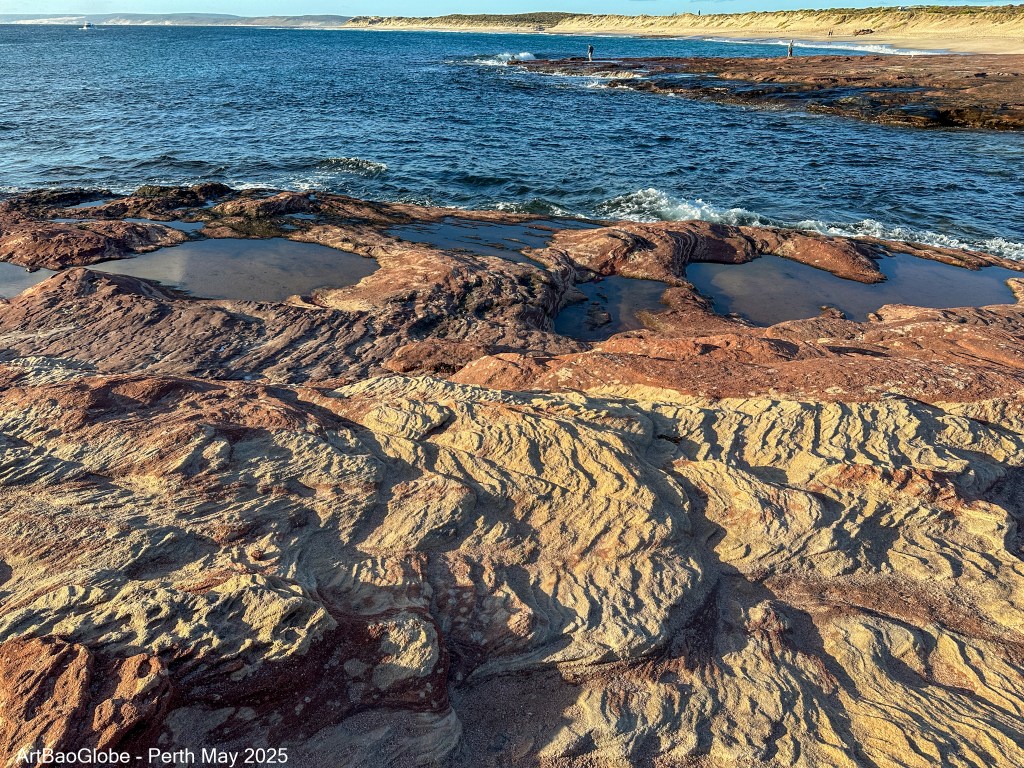
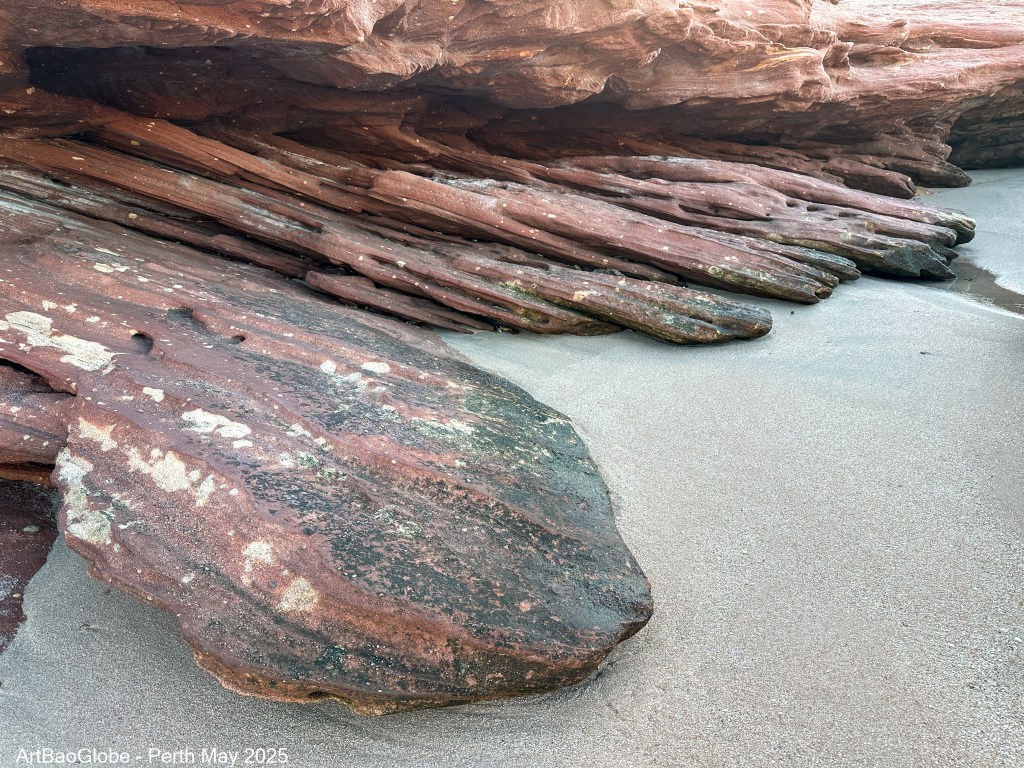
The coastal cliffs of Kalbarri National Park offer some of the most dramatic ocean views in Western Australia, where sweeping panoramas of the Indian Ocean stretch endlessly toward the horizon. The rugged coastline is shaped by time and elements; weathered cliffs, decaying rock faces, and striking formations sculpted by relentless wind and waves. Each lookout reveals a different perspective, a reminder that no two views along the Kalbarri coast are ever quite the same. Rising from the sea, the layered cliffs tell a story millions of years in the making. The rich red tones come from ancient Tumblagooda Sandstone, formed from sand and silt deposited by rivers and tidal flats. Above it sits the younger Tamala Limestone, its pale, rubbly texture adding contrast and depth to this already dramatic landscape. Despite their grandeur, most of the coastal trails are accessible and suitable for visitors of all ages. Easy walks that reward you with unforgettable views and a deeper appreciation of Kalbarri wild beauty. Surrounding them is a resilient coastal ecosystem. The plants here have adapted to harsh conditions, strong winds, intense sun, and salt spray. Their leaves are small, leathery, and often prickly to reduce moisture loss and withstand the elements, while their flowers tend to be smaller and simpler, conserving energy to survive in such an unforgiving environment.
Natural Bridge & Castle Cove
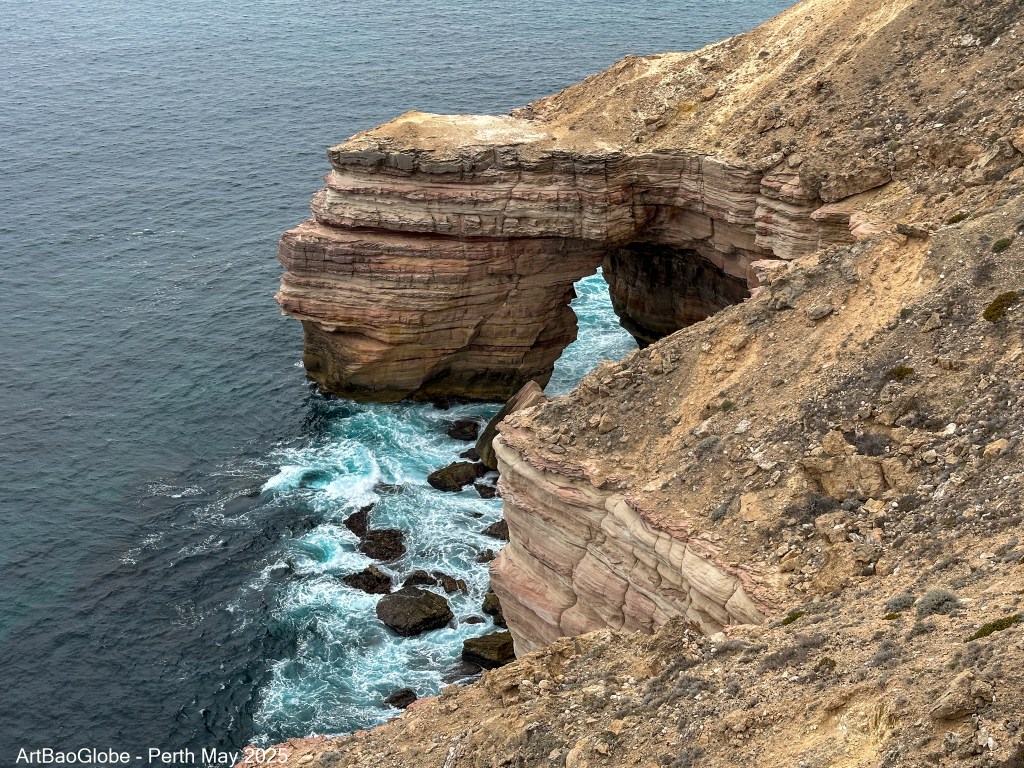
At Natural Bridge and Castle Cove, nature artistry is on full display. What began as coastal caves were gradually carved and hollowed out by the ocean. Over time, the relentless force of waves sculpted them into the dramatic formations seen today. The Natural Bridge, in particular, stands as a striking arch, an enduring yet ever-changing feature shaped by the sea. These formations continue to evolve, constantly reshaped by crashing waves below. Its a powerful reminder that this coastline is never still, but always in motion.
Shellhouse Grandstand & Eagle Gorge
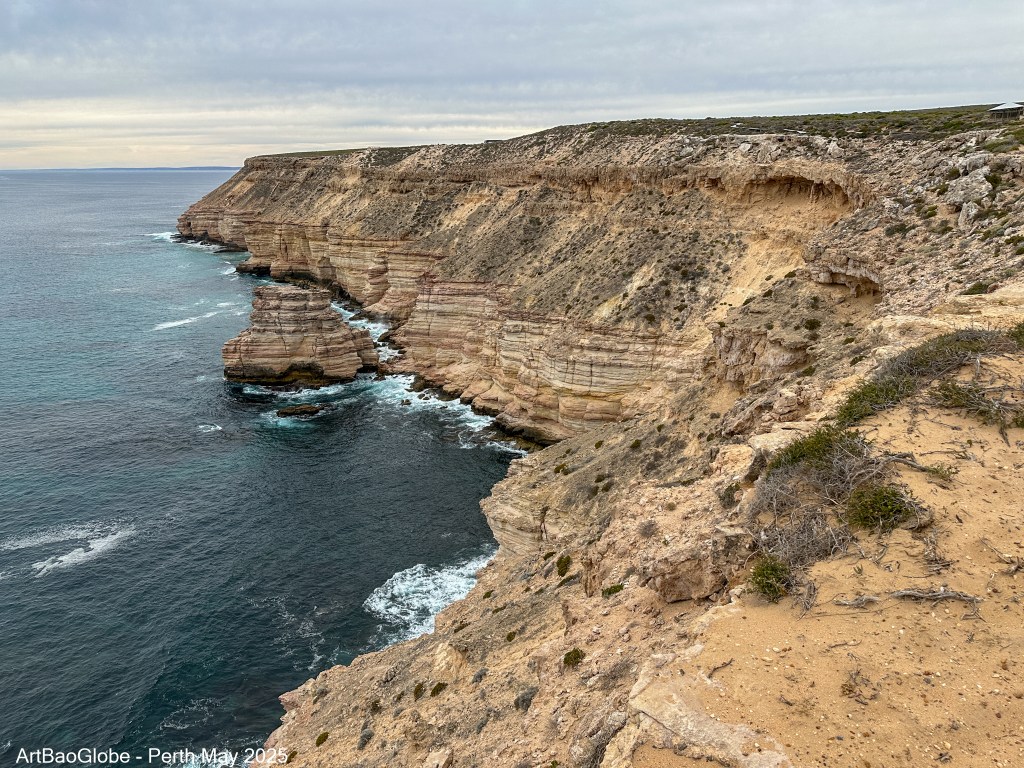
Shellhouse Grandstand offers sweeping views of the rugged coastline, where exposed rock layers reveal the long geological history of the land. From the lookout, the ocean stretches endlessly, with waves crashing rhythmically against the cliffs below. Just nearby, Eagle Gorge opens into a striking coastal chasm carved by wind and water over time. The contrast between the deep gorge, sculpted rock walls, and the vast blue ocean creates a powerful sense of scale. Standing here, it’s hard not to feel both humbled and awed by nature’s quiet strength.
Pot Alley
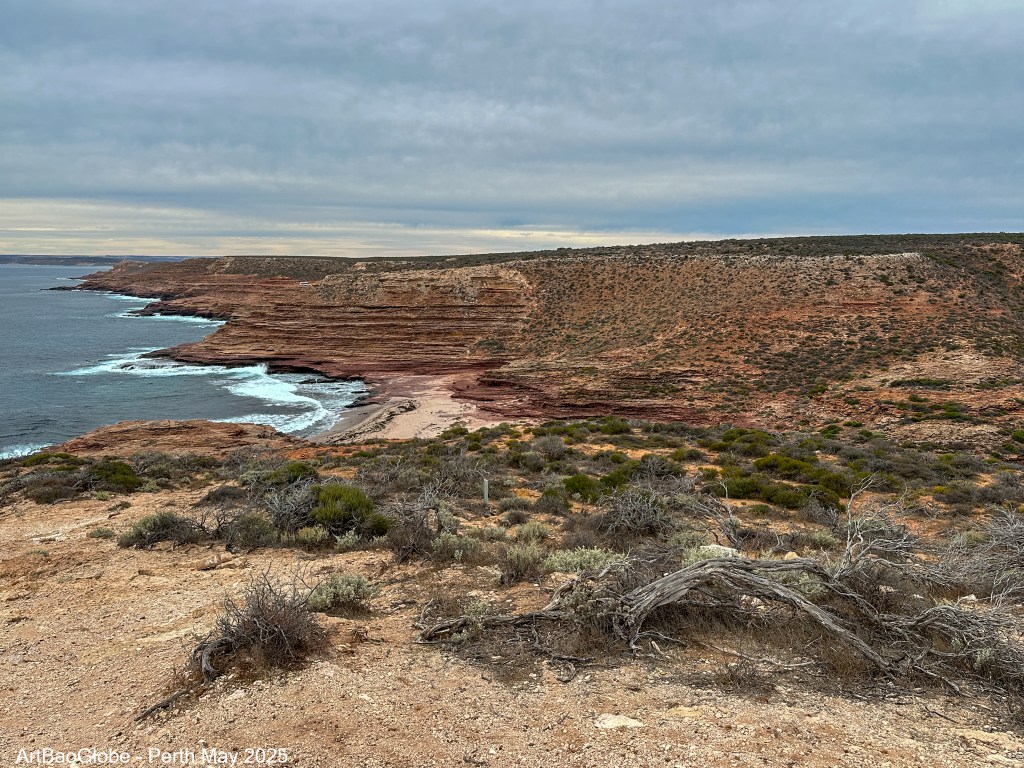
Pot Alley earned its name from local cray fishermen who once lost many of their cray pots to this hazardous cove. Today, its one of the most unique and visually striking stops along the coastal trail. Deep red rock formations frame a rugged gorge, creating a dramatic landscape unlike anywhere else along the coastline. Its raw, bold, and unforgettable.
Rainbow Valley
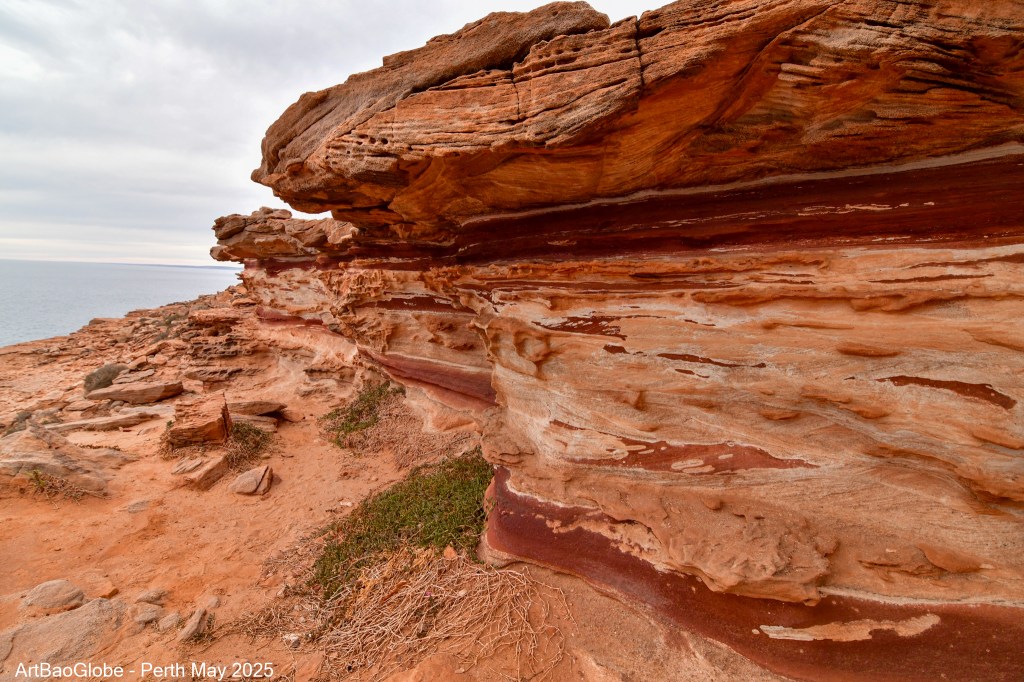
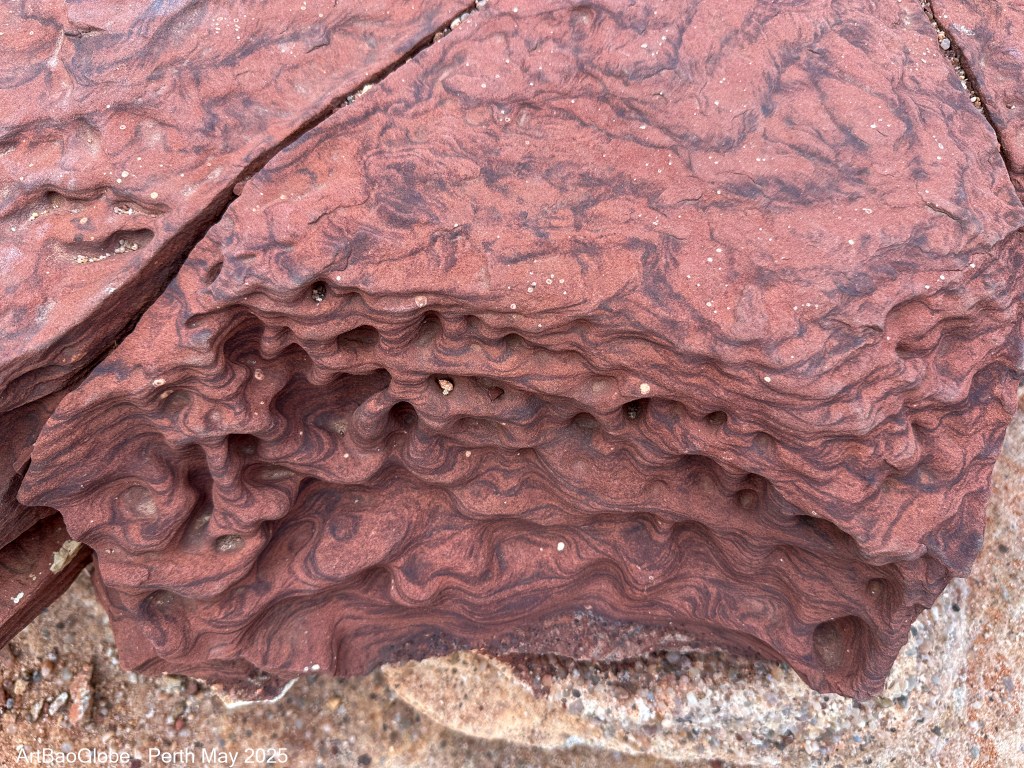
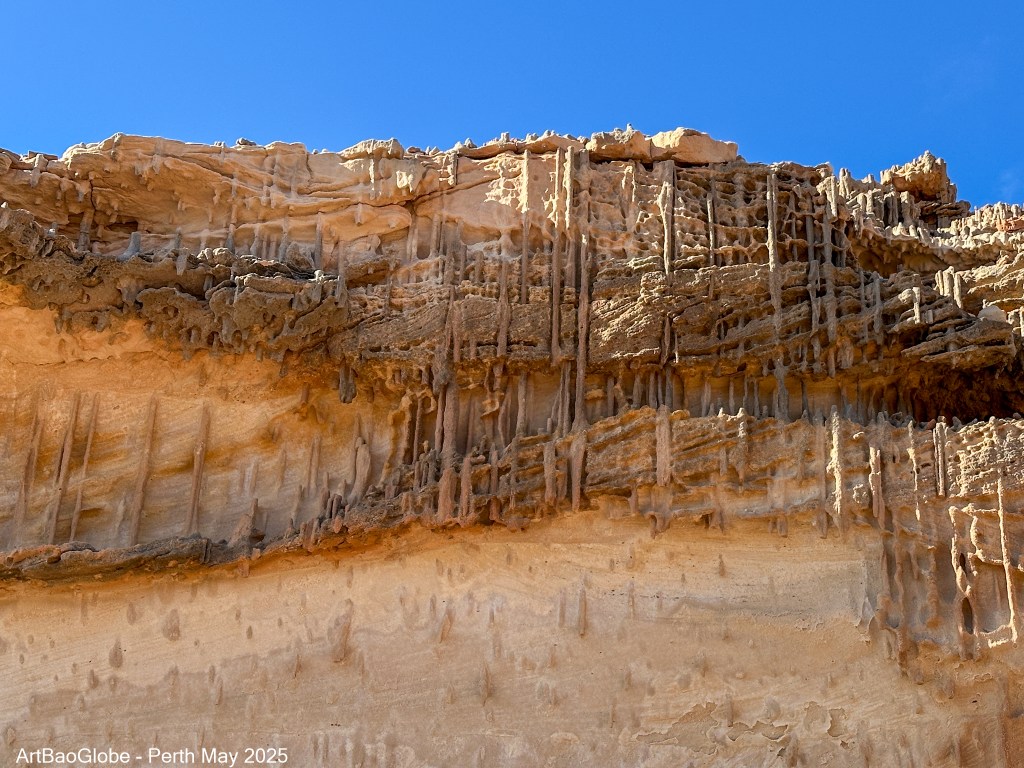
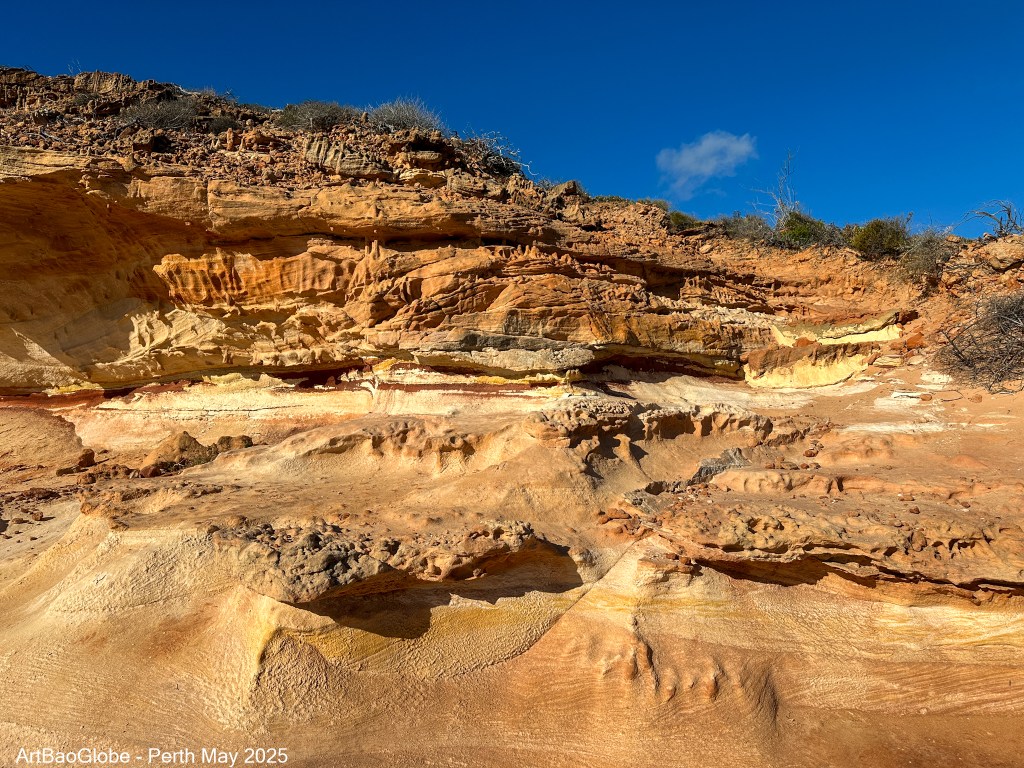
At Rainbow Valley, the landscape feels almost like an open-air museum of geological wonders. Millions of years ago, this area lay beneath the ocean, and today its ancient past is etched into every surface. As we followed the uneven, less defined trail, we encountered an incredible variety of formations. From fossilised worm tubes to rounded boulders and beautifully banded sandstone in shifting colours. We covered less than half the trail before turning back, but even that short distance felt rewarding. Here, it is not about reaching the end. Every step reveals something new, making the journey itself the highlight.
Red Bluff Lookout & Beach
Red Bluff Lookout is the highest viewpoint along the coastal cliffs, offering sweeping vistas of the dramatic shoreline and the vast Indian Ocean beyond. The walking path runs parallel to the coast, making it one of the most scenic stretches to explore. Just below, Red Bluff Beach is another beautiful spot worth visiting. Take your time to wander along the shore, explore the rocks, and if you look closely, you might spot tiny crabs darting in and out of crevices, adding a small but delightful detail to the experience.
Day 3 : Kalbarri
Kalbarri Inland Gorges
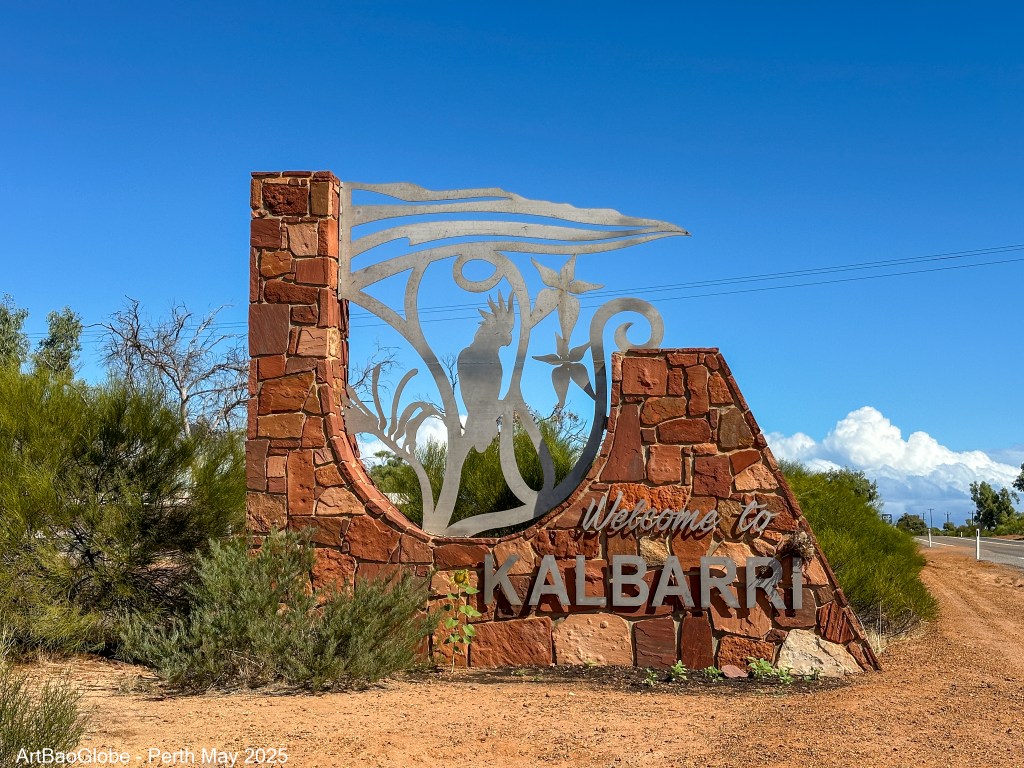
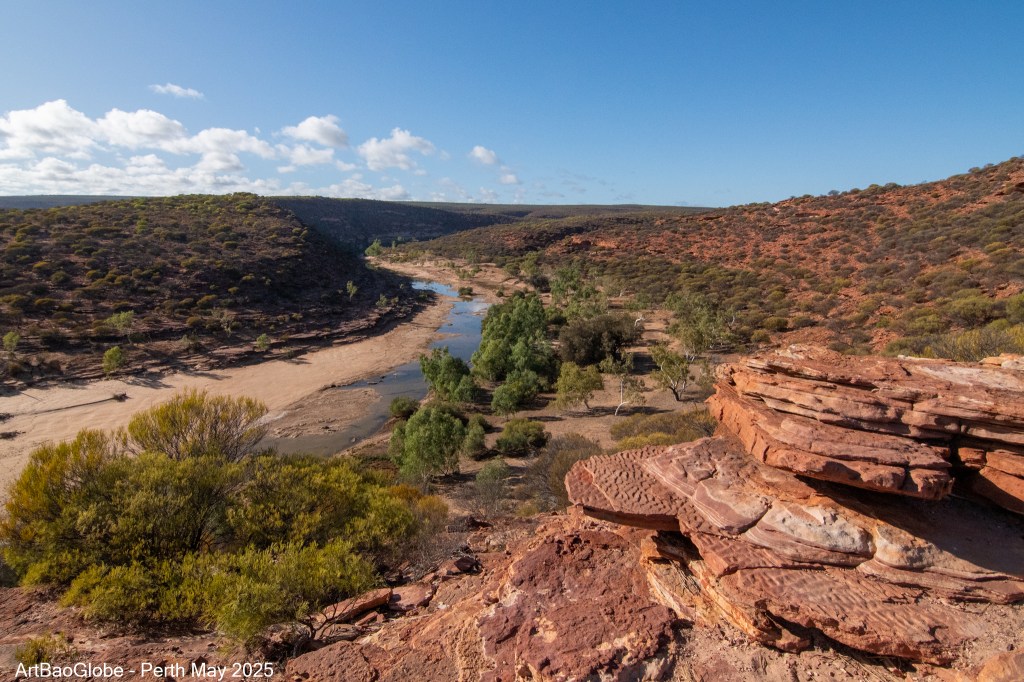
In contrast to the dramatic coastal cliffs, the inland gorges of Kalbarri National Park reveal an entirely different side of the landscape. Carved over millions of years by the Murchison River, these deep gorges are defined by towering red rock walls, winding river bends, and sweeping viewpoints that stretch endlessly into the outback. Walking through the gorges feels quieter and more contemplative. The colours shift gently with the changing light, and the sheer scale of the landscape encourages you to slow down, breathe, and take it all in. Its a different kind of beauty. Equally powerful, yet more still and reflective than the wild coastline.
Nature Window
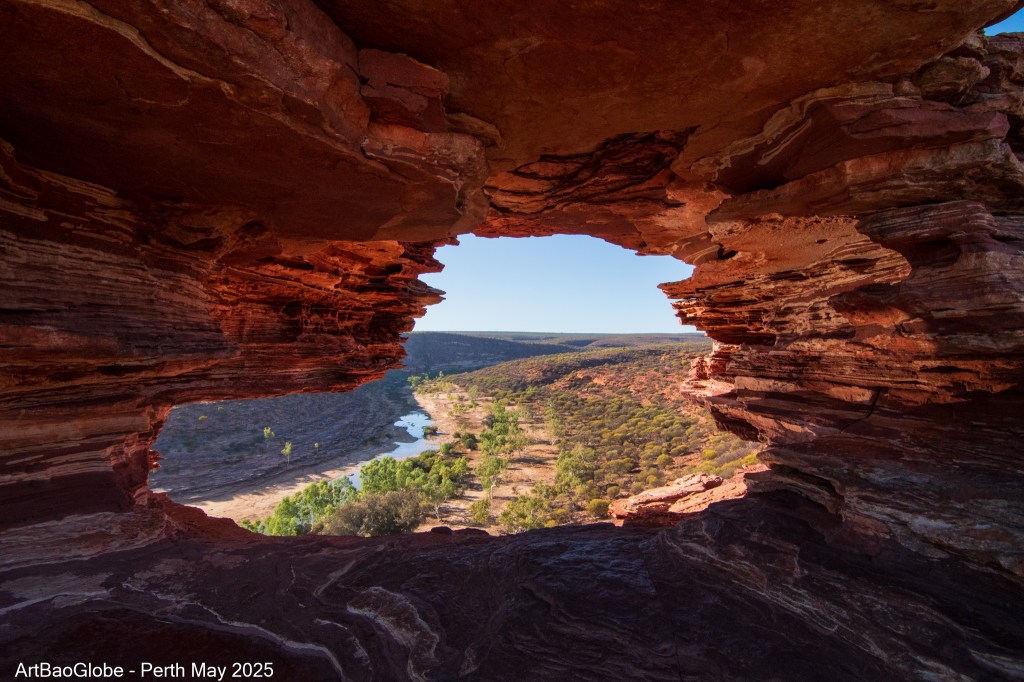
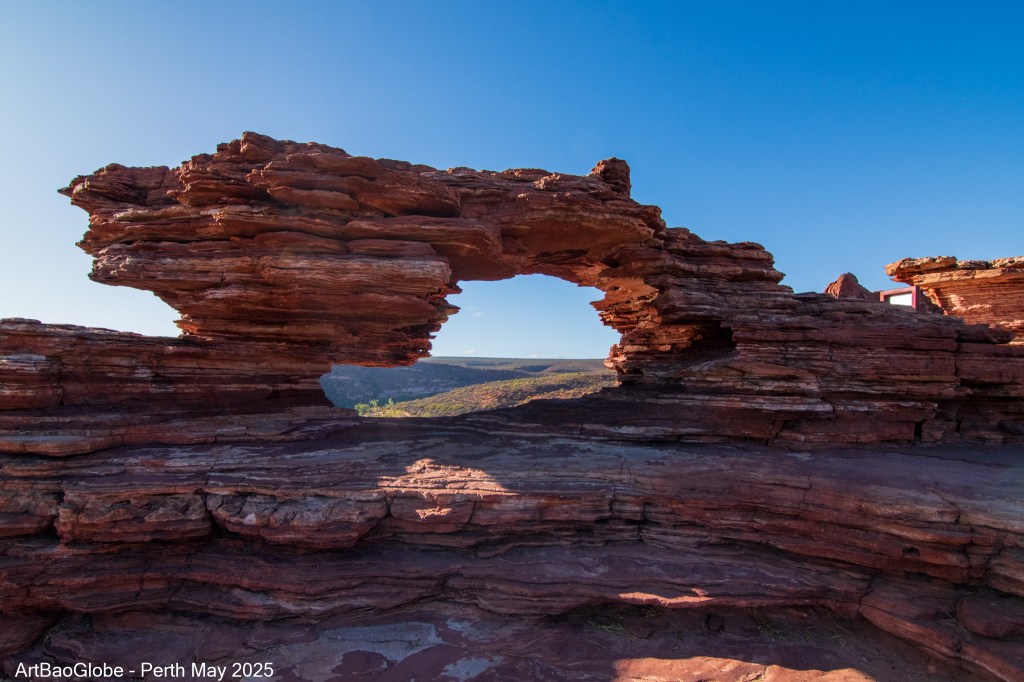
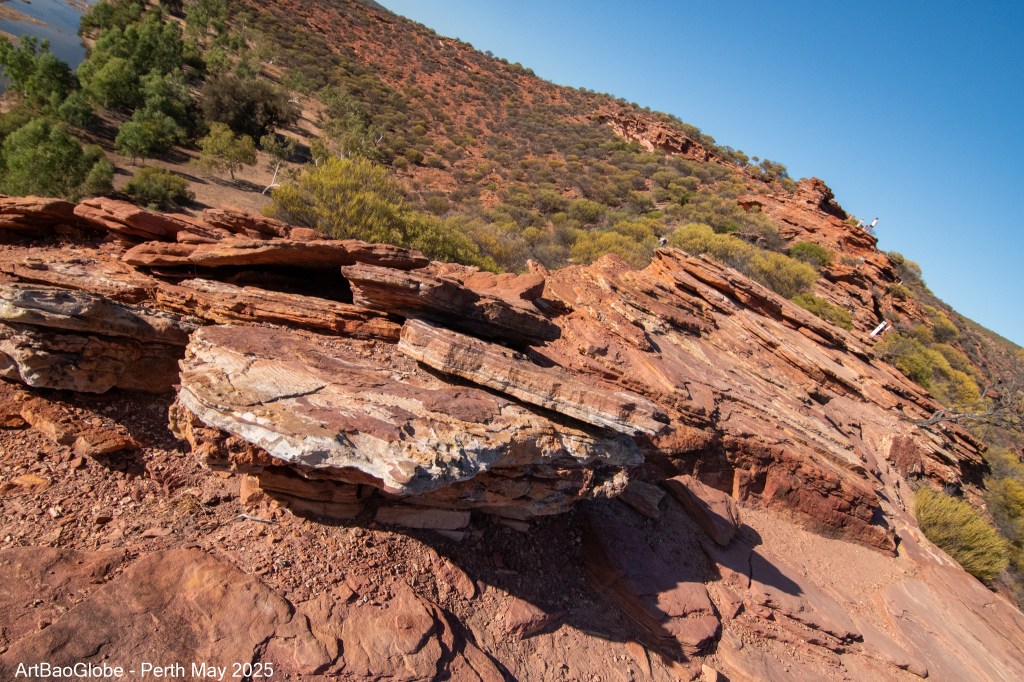
One of the most iconic sights in Kalbarri National Park, Nature’s Window is reached via a short yet scenic 1km return walk. At the end of the trail, be rewarded with a breathtaking panoramic view over the Murchison River and the surrounding gorge. From just the right angle, the natural rock arch perfectly frames the winding river below, like nature very own picture frame. Take the time to explore beyond the main viewpoint. The surrounding area is filled with unique rock formations and quieter corners, each offering a slightly different perspective of the landscape. Look closely, and you might even spot intricate patterns and textures etched into the stone, details that make this place just as rewarding beyond its famous view.
Skywalk
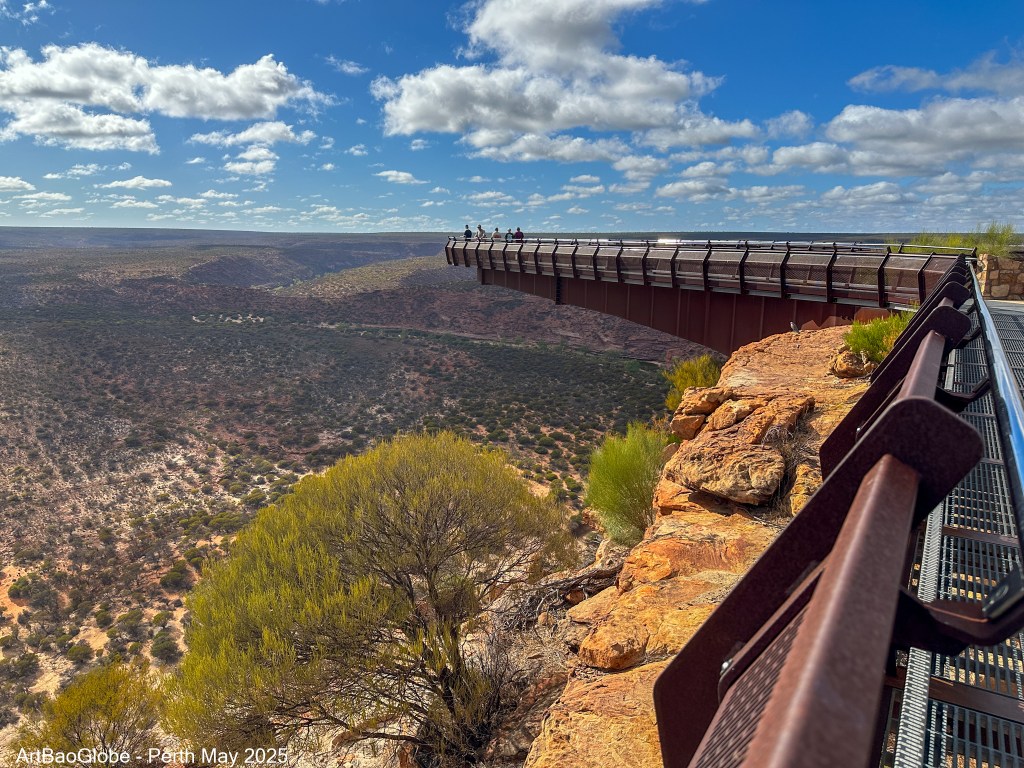
“Kaju Yatka” comes from the Nanda language. kaju meaning “sky” and yatka meaning “to walk.” True to its name, this remarkable structure offers an experience unlike any other. The Skywalk features two cantilevered platforms extending 17m and 25m out over the gorge, suspended about 100m above the ground. Stepping onto them is both thrilling and surreal. They seem to float in mid-air above the ancient landscape below. The platforms are solid and securely built, allowing you to fully take in the view. From here, sweeping vistas of the million year old gorges unfold. Its a moment that feels both exhilarating and humbling. Standing above a landscape shaped patiently by time itself.
Z Bend
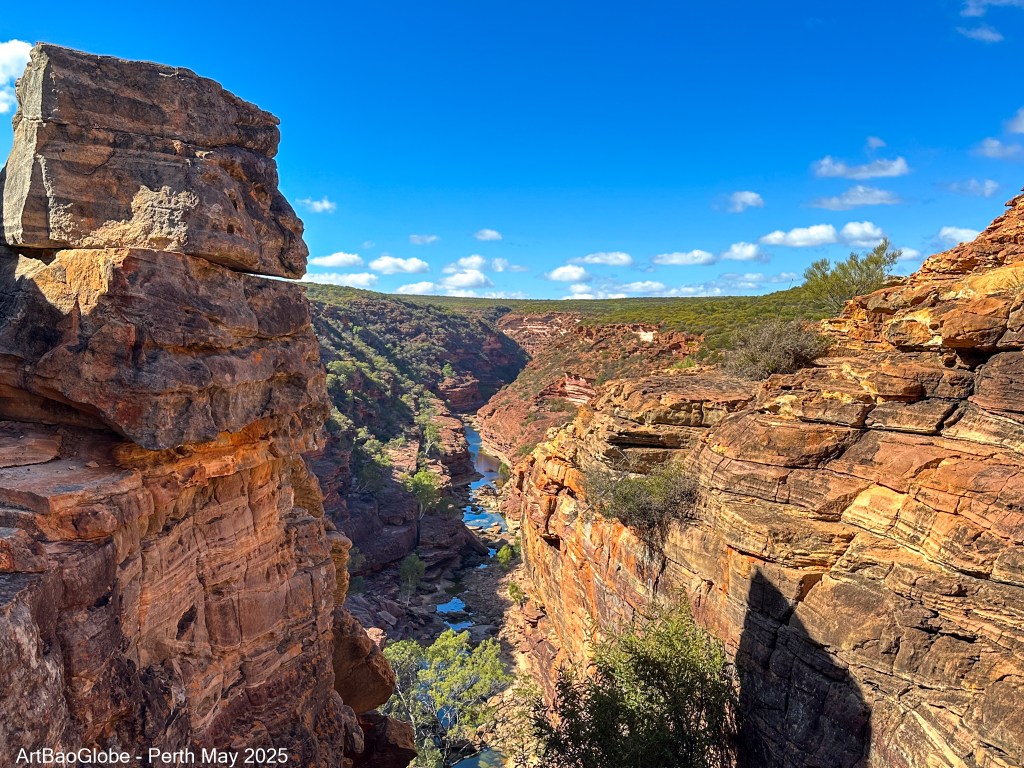
The 1.2km return walk to Z Bend leads to one of the most dramatic lookouts in the park. From the viewing platform, the gorge plunges around 150m below, where red river gums stand in striking contrast against the warm tones of the Tumblagooda Sandstone. The Murchison River winds through the rugged terrain, revealing the immense scale and raw beauty carved over millions of years.
Hawk Head
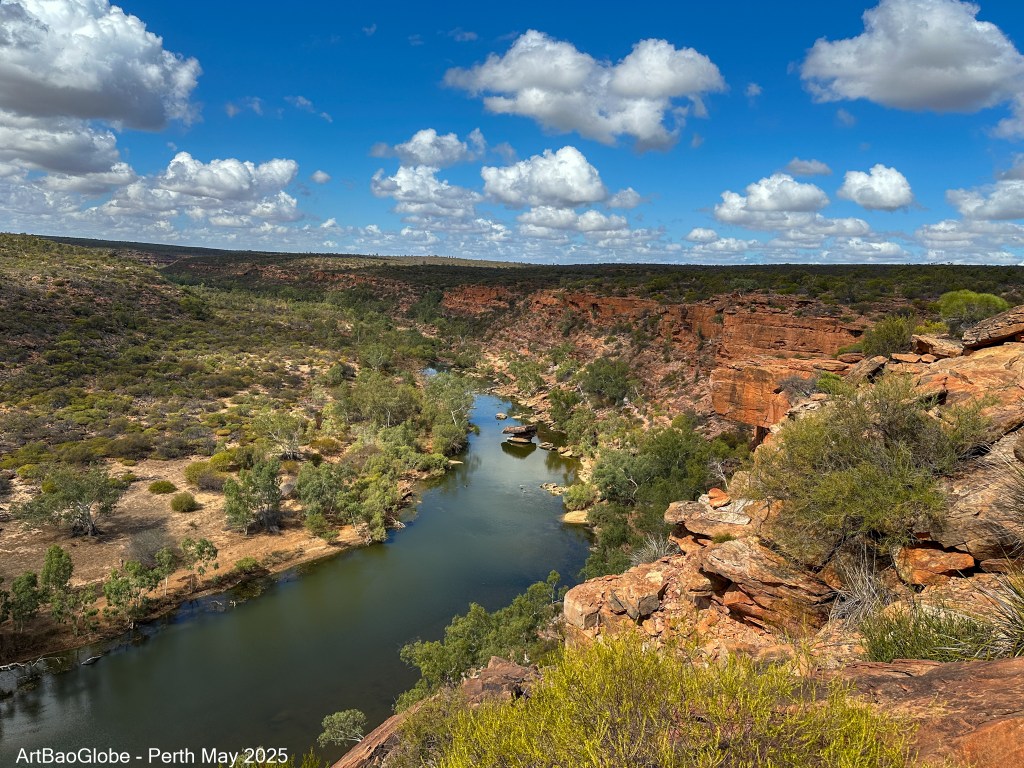
Hawk Head Lookout is an easily accessible stop, offering rewarding views with minimal effort. From the lookout, take in the dramatic cliffs and the Murchison River as it snakes through the gorge below. The endless panoramas invite you to pause and simply absorb the vastness of the landscape. If you’re lucky, you might even spot ducklings gliding along the river. A small, heartwarming moment that brings life to the grand, rugged scenery.
Ross Graham Lookout & River Trail
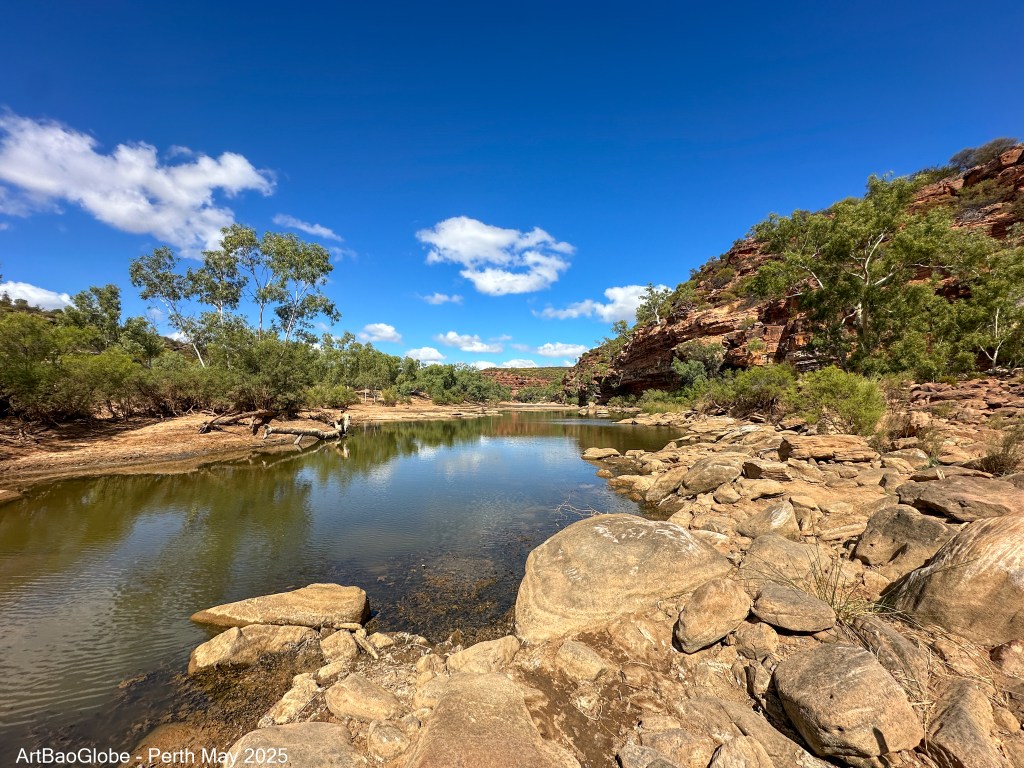
At Ross Graham Lookout, a short 600m return walk brings you down to the edge of the Murchison River, offering a completely different perspective of the gorges. After viewing the landscape from elevated lookouts, standing by the river feels refreshingly intimate. Looking up at the towering gorge walls from below gives a true sense of scale. Something photos can never fully capture. Watching the ancient cliffs rise above you brings a quiet sense of awe and appreciation. A gentle reminder of how special it is to experience Kalbarri from every angle. Above, below, and right in the heart of it.
Day 4 : Kalbarri to Monkey Mia
Kalbarri Pelican Feeding
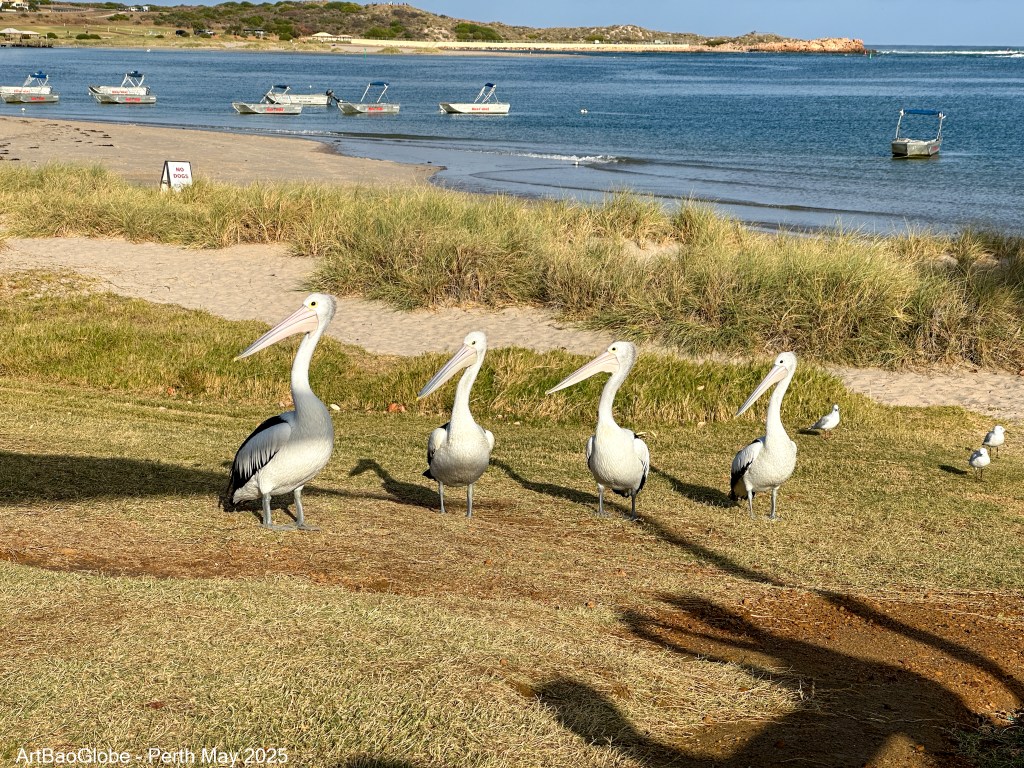
Held every morning at 8:45am in Kalbarri, the pelican feeding takes place just opposite The Pelican Cafe. Run by dedicated volunteers, this daily session offers a chance to observe wild pelicans up close while learning more about their behaviour and natural habits. The pelicans arrive on their own terms. Sometimes in numbers, sometimes just a few, adding a sense of unpredictability to each morning. They are fed only small portions, ensuring they continue to hunt for their own food in the wild. A simple yet meaningful experience, highlighting the importance of respectful and responsible wildlife interaction. A gentle, unhurried way to start the day in Kalbarri. During our visit in May 2025, one of the most memorable “guests” was a pelican nicknamed Bad Boy. True to his reputation, he was the only one making a fuss; loud, impatient, and always trying to snatch fish from the others to be first in line. Watching his cheeky antics added a touch of humour to the morning, a reminder that wildlife, just like people, comes with plenty of personality.
Billabong Roadhouse
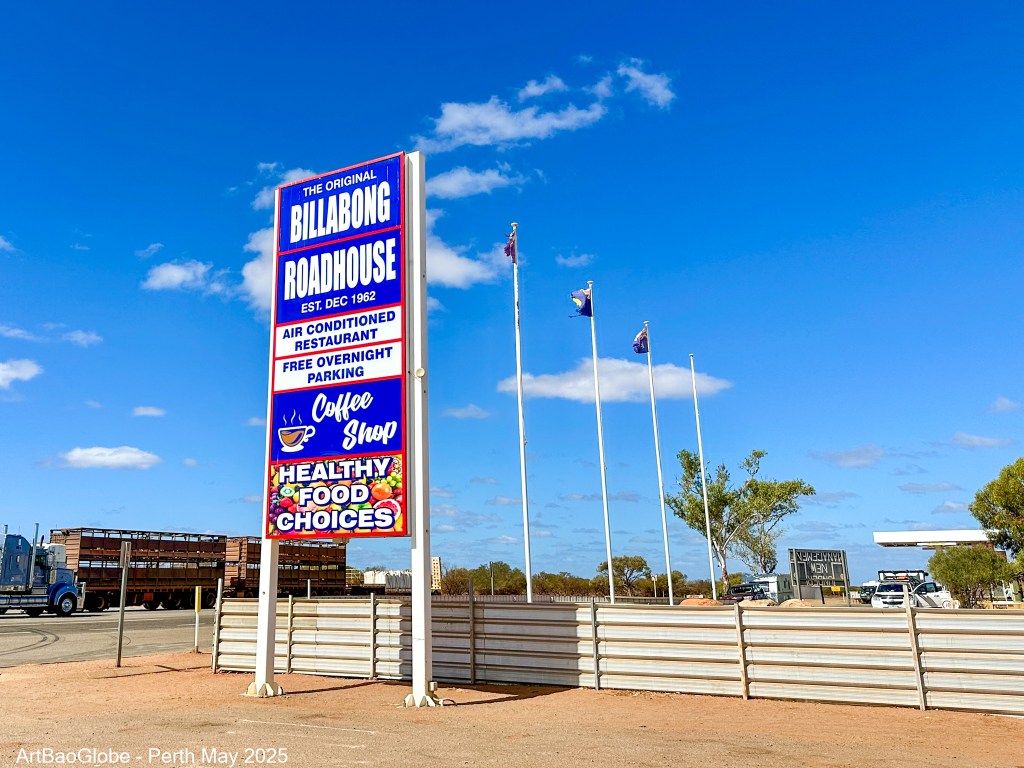
Located along the North West Coastal Highway, Billabong Roadhouse is one of those classic outback stops that feels both simple and essential. Positioned near the gateway to Shark Bay, its a convenient place to refuel both the vehicle and yourself before continuing the long journey ahead. It is the kind of stop where travellers pause to stretch their legs, grab a quick bite, and take a breather before getting back on the road. Surrounded by vast, open landscapes, Billabong Roadhouse offers a small but meaningful moment of rest in the middle of an unforgettable drive.
Shark Bay
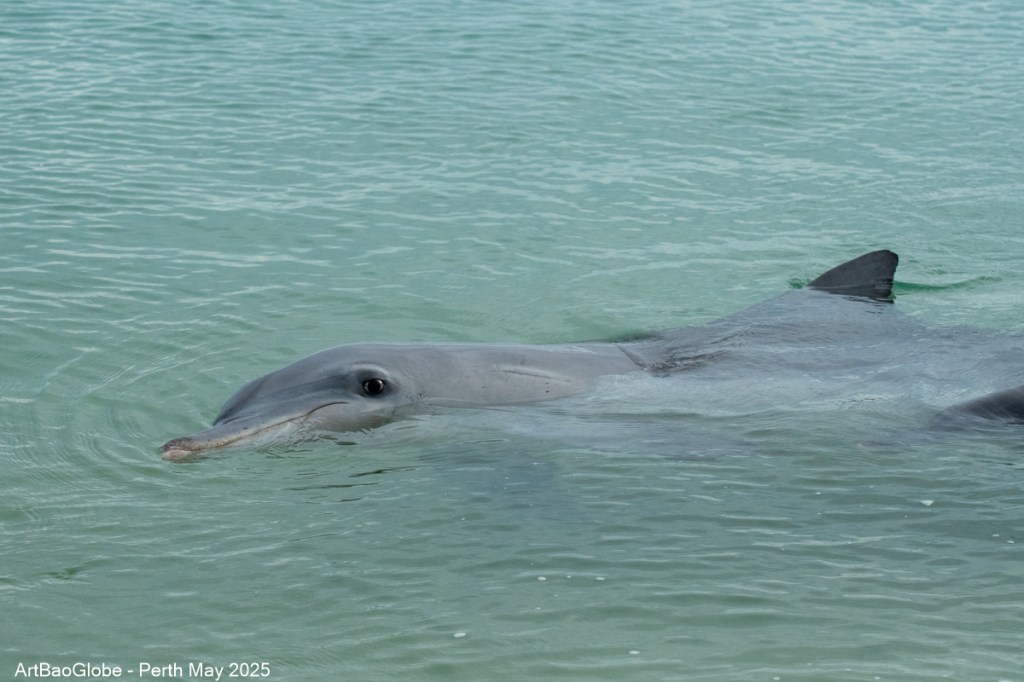
As the journey continues north, the landscape gradually shifts into something even more remote and untouched. Welcome to Shark Bay, a UNESCO World Heritage site where nature feels raw, vast, and beautifully unspoiled. Shark Bay is a place where land and sea come together in the most extraordinary ways. Here, you will find crystal-clear waters, endless stretches of coastline, and a rich diversity of wildlife both on land and beneath the surface. From wild dolphins and dugongs to stromatolites, some of the oldest life forms on Earth. This region feels like stepping into a living natural museum.
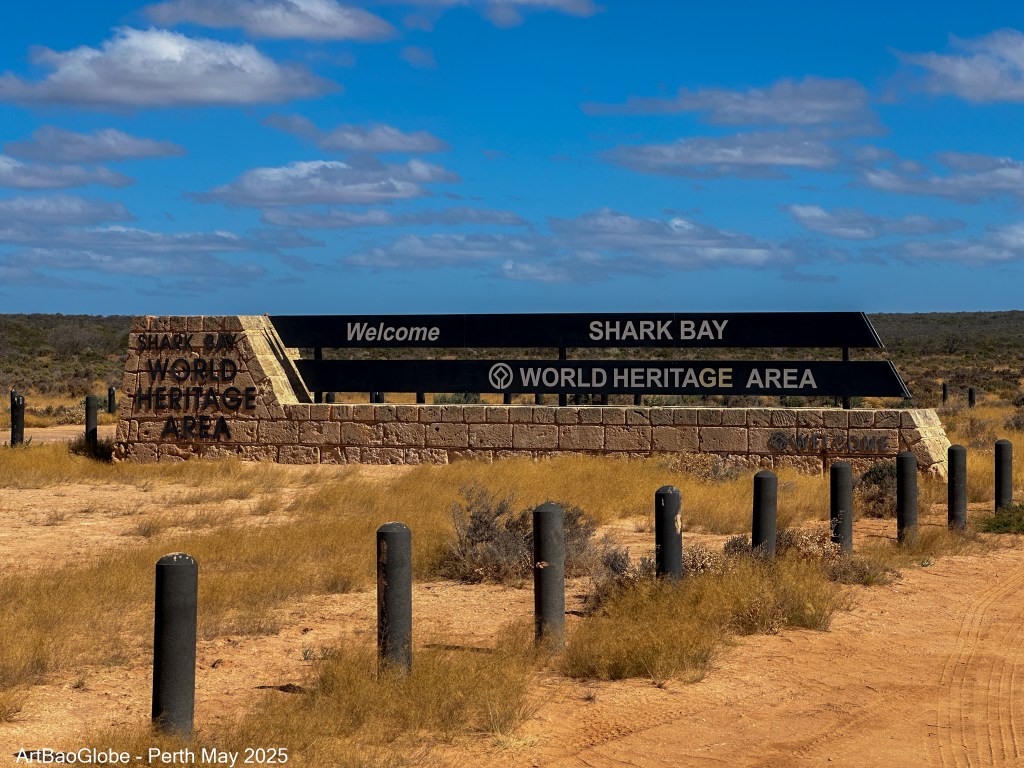
What makes Shark Bay truly special is its sense of stillness. Its not just about what you see, but how it makes you feel. The wide open spaces, the salty breeze, and the untouched landscapes invite you to slow down and simply take it all in. Whether exploring the iconic Monkey Mia, cruising along the coastline, or watching wildlife in their natural habitat, every moment here feels quietly extraordinary. Its the kind of place that does not rush you, one that gently reminds you to travel slower, look closer, and appreciate the beauty of nature in its purest form.
Shark Bay is the largest bay in Australia, stretching across more than 1,000km of coastline and ocean. Life in the deep ocean is shaped by the extensive seagrass meadows beneath the water surface, some of the largest in the world. Unlike seaweeds, which are algae anchored by simple holdfasts, seagrasses are true flowering plants with complex root systems. These underwater meadows form the foundation of the marine ecosystem, supporting an incredible diversity of life and turning Shark Bay into a thriving habitat for countless species.
Shell Beach
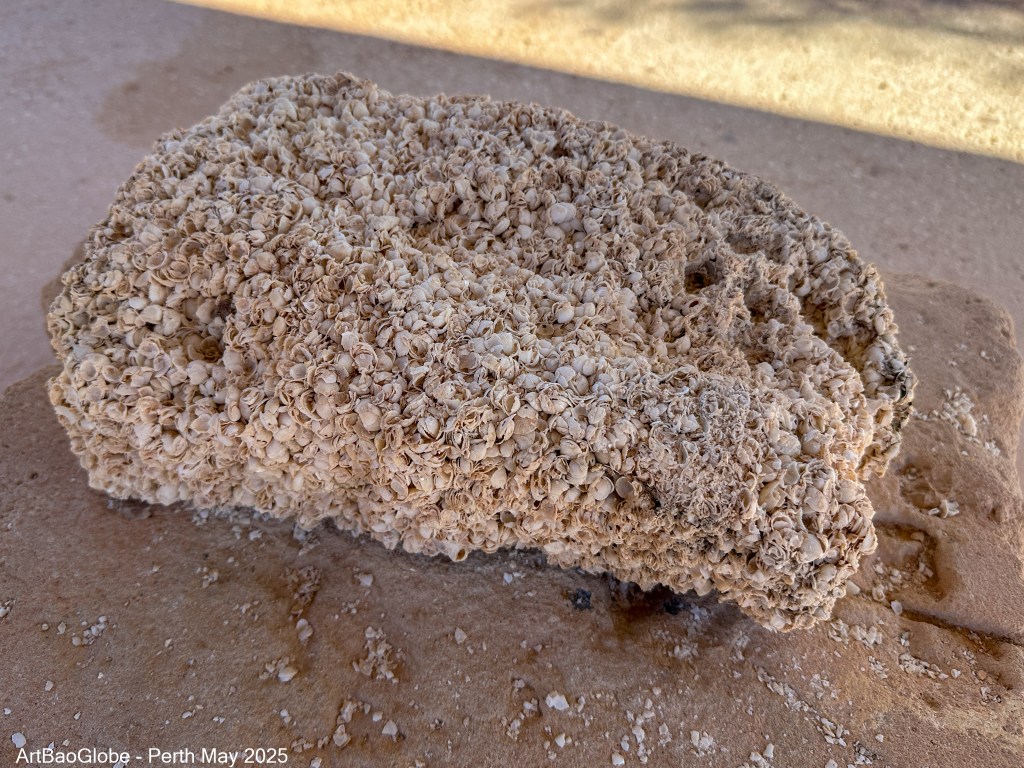
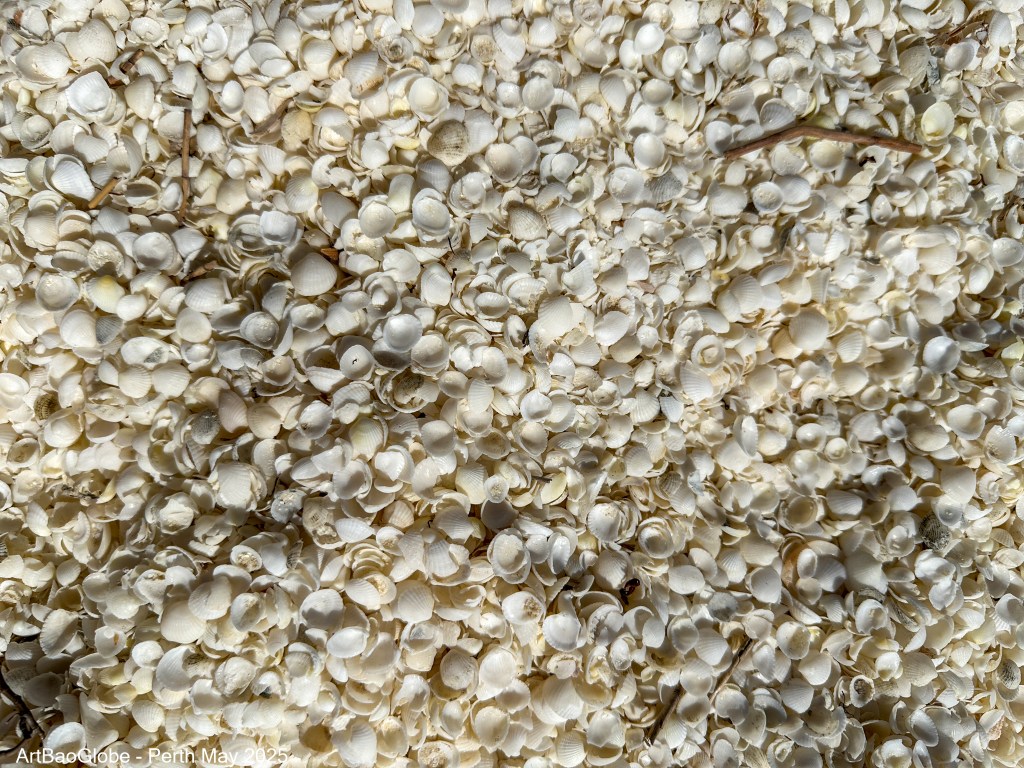
It is one of the most unique coastal landscapes in the world. The water is incredibly saline, almost twice as salty as the open ocean. This extreme environment allows a single species, the Fragum cockle, to thrive in astonishing numbers. Over time, billions upon billions of these tiny shells have accumulated, forming a beach made entirely of shells instead of sand. Stretching for over 70km, the shells can reach depths of up to 10m, making Shell Beach one of only a handful of places on Earth where this phenomenon occurs. Walking here feels surreal. The beach crunches softly beneath your feet, and yes it is comfortable enough to walk barefoot across the endless blanket of white shells. Standing in such a rare natural setting is a quiet reminder of how extraordinary and diverse our planet can be. Simple, yet completely unlike anywhere else.
Eagle Bluff Lookout
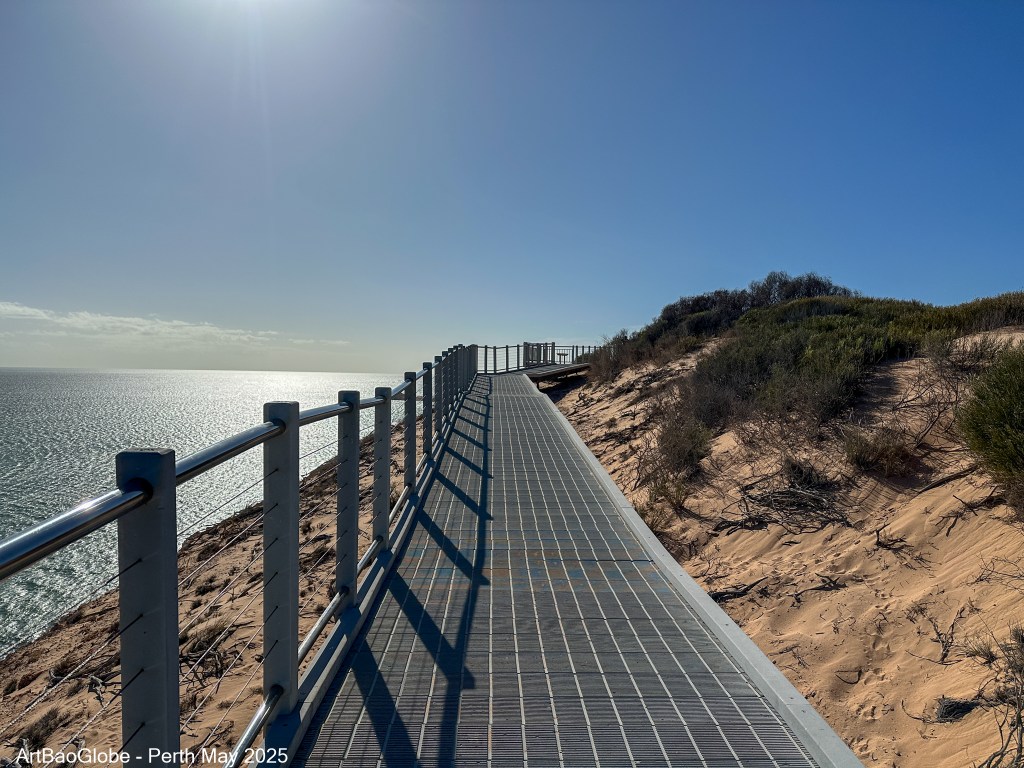
Eagle Bluff Lookout offers a peaceful spot to pause and take in the beauty of the ocean. Take the time to walk along the boardwalk and let your eyes wander across the clear, ocean below. If in luck, might spot marine life gliding through the sea, making this stop feel quietly magical. Bringing a pair of binoculars is highly recommended, as it makes spotting wildlife much easier. During our visit, we guess we did spot the cowtail stingrays and sharks moving gracefully through the water. A special moment that reminded us how incredible it is to witness wildlife in its natural habitat. Its these unexpected encounters that make places like Eagle Bluff so memorable. Simple, quiet, yet filled with wonder.
Day 5&6 : Monkey Mia
RAC Monkey Mia Dolphin Resort
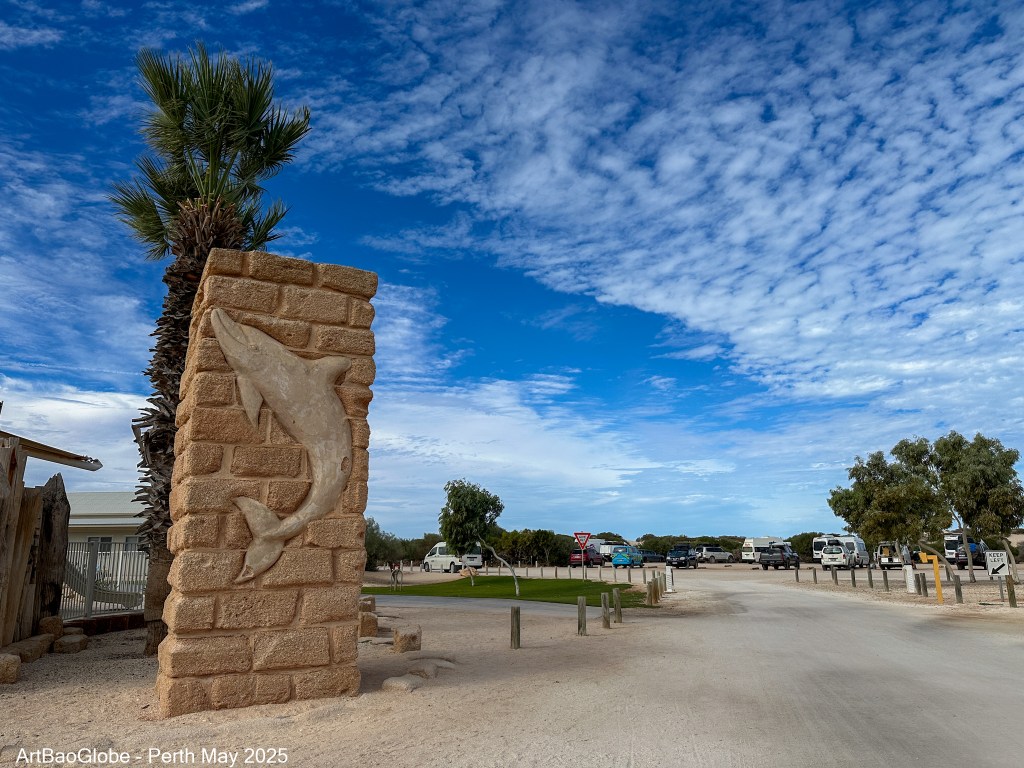
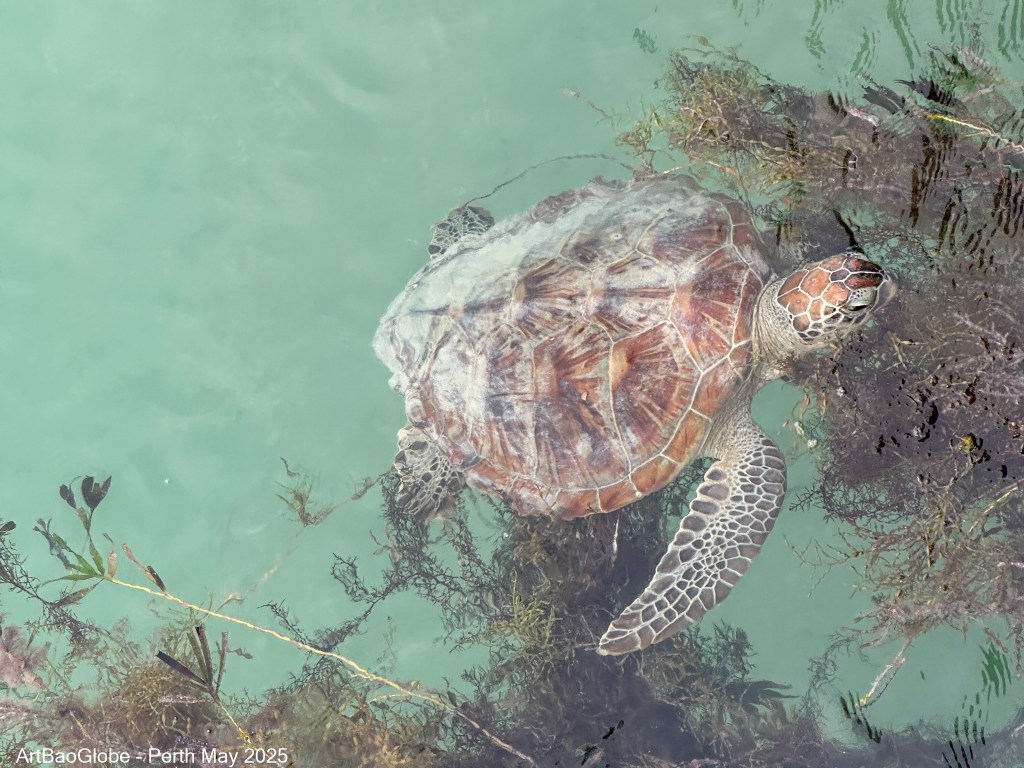
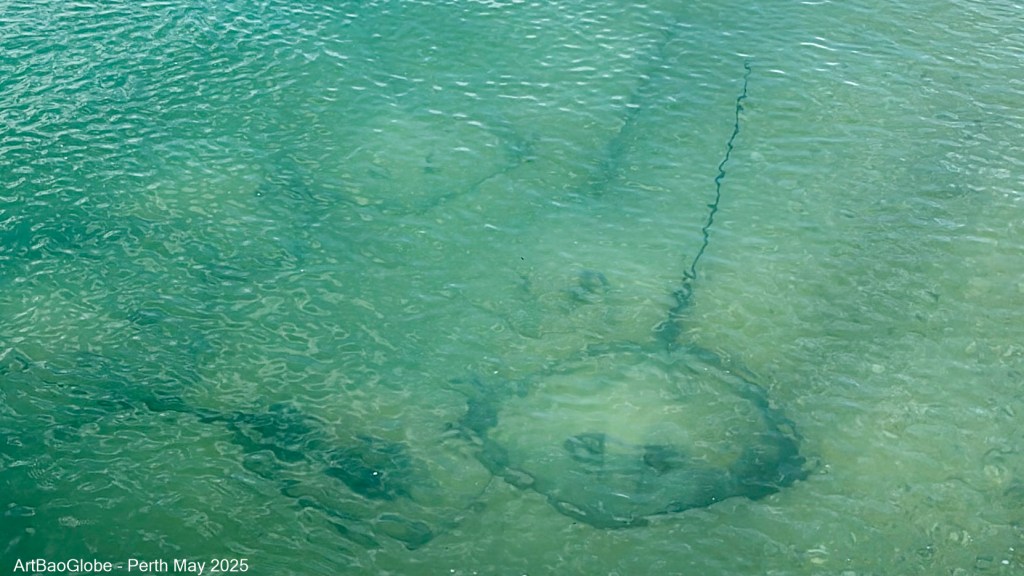
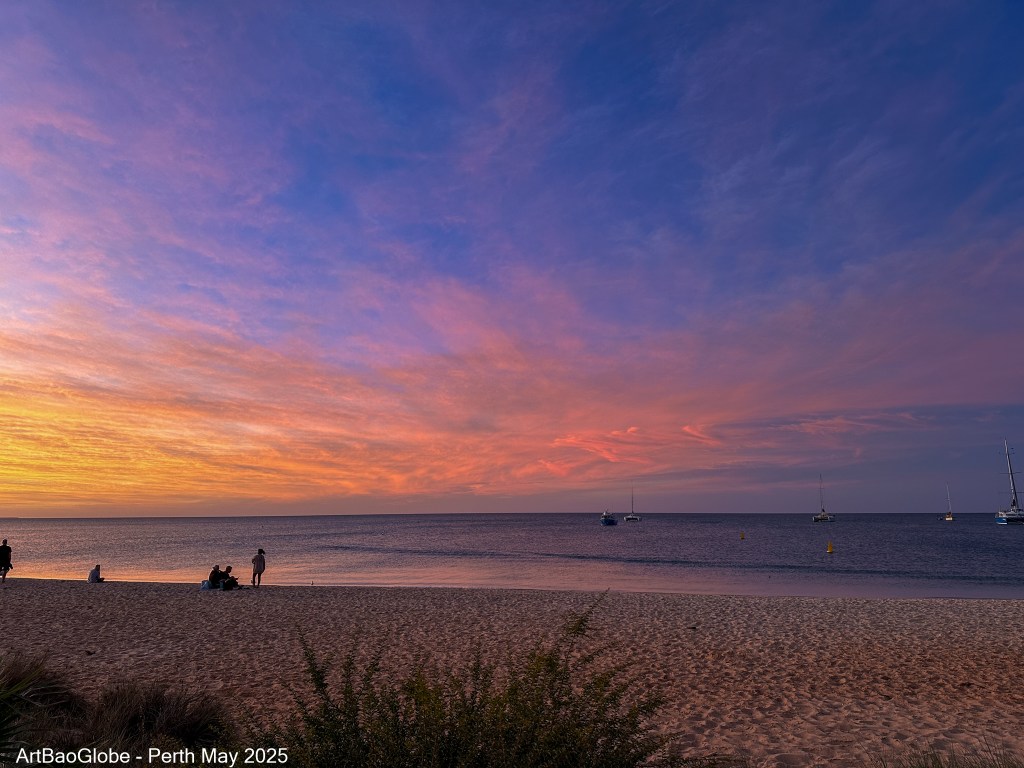
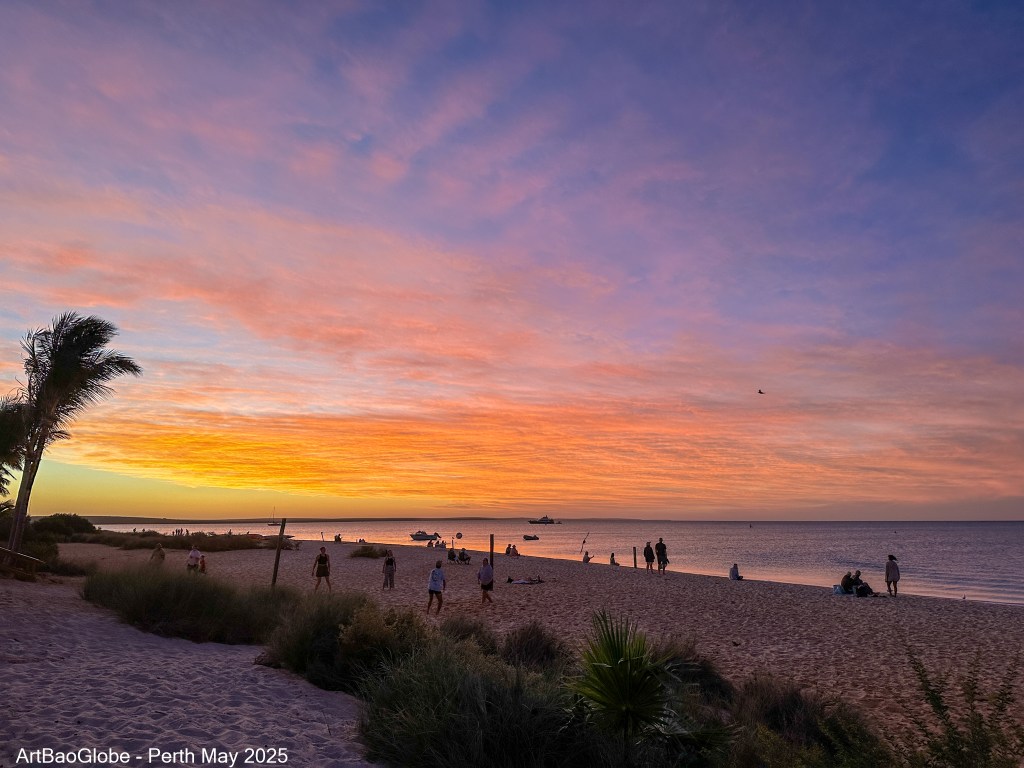
Set within Monkey Mia, RAC Monkey Mia Dolphin Resort is more than just a place to stay. Its a place where wildlife and people quietly coexist. Right at the waterfront, dolphins are often seen swimming close to shore, sometimes playfully interacting among themselves just metres away. In the early mornings, keep an eye around the jetty as might spot sea turtles gliding through the clear waters below. Along the shoreline, groups of stingrays occasionally gather, moving gently through the shallows. On land, the encounters continue. Around the carpark and camping areas, emus are frequent visitors. Sometimes wandering alone, other times appearing as families with fluffy chicks in tow. As night falls, kangaroos may even be seen hopping quietly through the grounds, adding to the sense that this is truly a shared space between humans and nature. Its this effortless blend of wildlife and relaxation that makes the resort so special. Slow mornings, peaceful surroundings, and nature all around. A perfect place to unwind for a few days. And as the day comes to an end, do not miss the sunset. Watching the sky soften into warm hues over the calm waters is the perfect way to close another unforgettable day in Shark Bay.
Wildlife Cruise with Perfect Nature
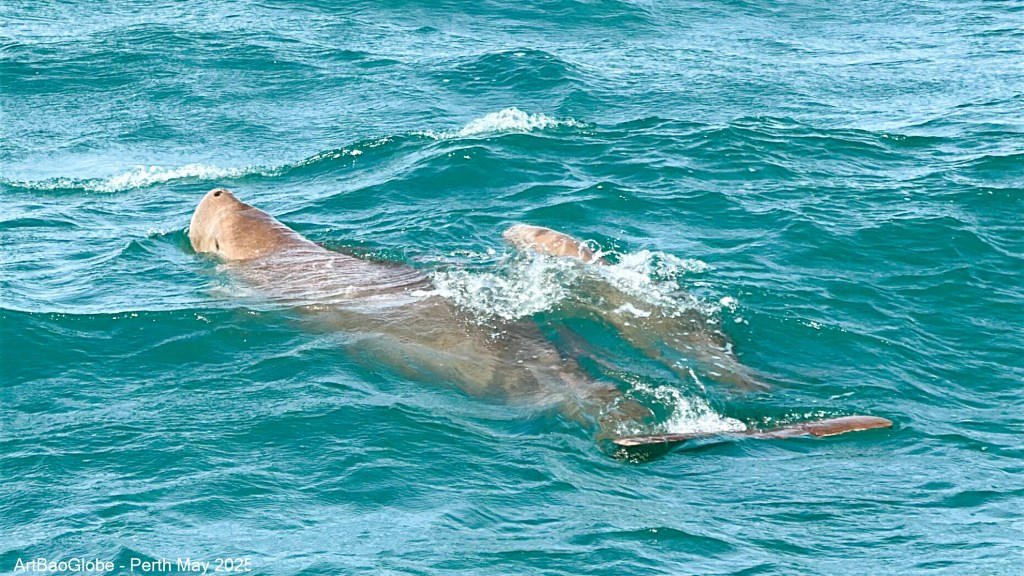
At Monkey Mia, we boarded the Aristocat 2 with Perfect Nature Cruises for a wildlife cruise unlike any other. As the only operator permitted to access certain exclusive zones within Shark Bay, the experience felt intimate and untouched, far from the usual crowds. Beneath the calm waters lies an expansive seagrass meadow. These underwater plains are vital, forming the primary food source for dugongs. Shark Bay is home to more than 10,000 dugongs. Around 10% of the world population, making it one of the best places on Earth to encounter these gentle marine mammals. As we cruised along, dolphins swam effortlessly beside the boat, weaving in and out of the waves. Then came a truly special moment, a mother and calf dugong pair, gliding slowly through the water. Quiet, graceful, and completely undisturbed, it was a rare and humbling sight. Out here, surrounded by open sea and thriving marine life, a reminder of how rich and delicate the ecosystem is and how lucky to witness it in its natural state.
Francois Peron National Park
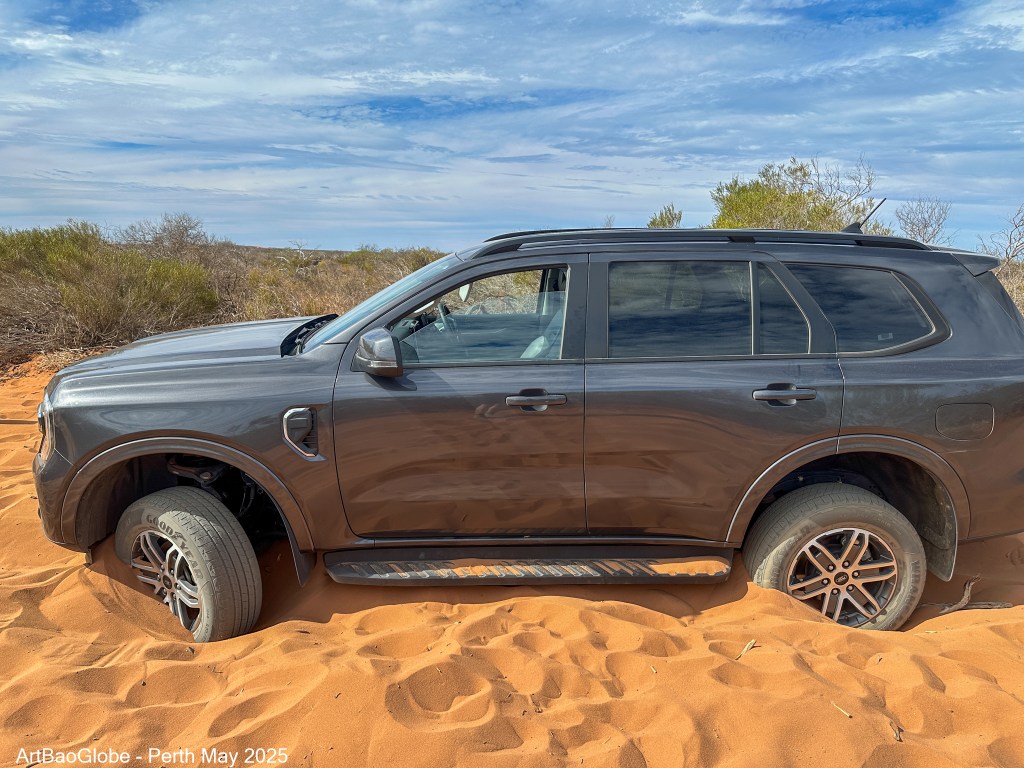
Exploring Francois Peron National Park is an adventure in itself. It truly requires a 4WD to reach remote spots like Skipjack Point and Cape Peron. Before setting off, the car tire pressure needs to be reduced for sand driving. It was our first time attempting this, and like any new experience, we did not quite know what to expect. The drive began on a relatively manageable track which is bumpy, but still comfortable. As we ventured deeper into the park, the terrain quickly changed. The road became rougher, eventually giving way to soft, deep red sand tracks that demanded more skill and awareness. Not long after, we found ourselves stuck. The wheels sank into the soft sand, and the more we tried, the deeper the car seemed to settle. What we did not realise was how quickly the sand “pulls” you in the moment you stop. A passing couple kindly stopped to help but in trying to assist us, their vehicle also became stuck. Suddenly, the track was blocked with two immobilised cars. What followed, however, was something we will never forget. One by one, locals passing through stopped to help. With their experience, teamwork, and patience, we eventually managed to get both vehicles free. It was a humbling moment and a valuable lesson. Sand driving is not something to underestimate; it requires the right knowledge, preparation, and technique. Despite the challenge, it became one of the most memorable parts of the trip. Not just for the adventure, but for the kindness of strangers and the shared effort that turned a stressful situation into a story that we will remember.
Day 7 : Monkey Mia to Geraldton
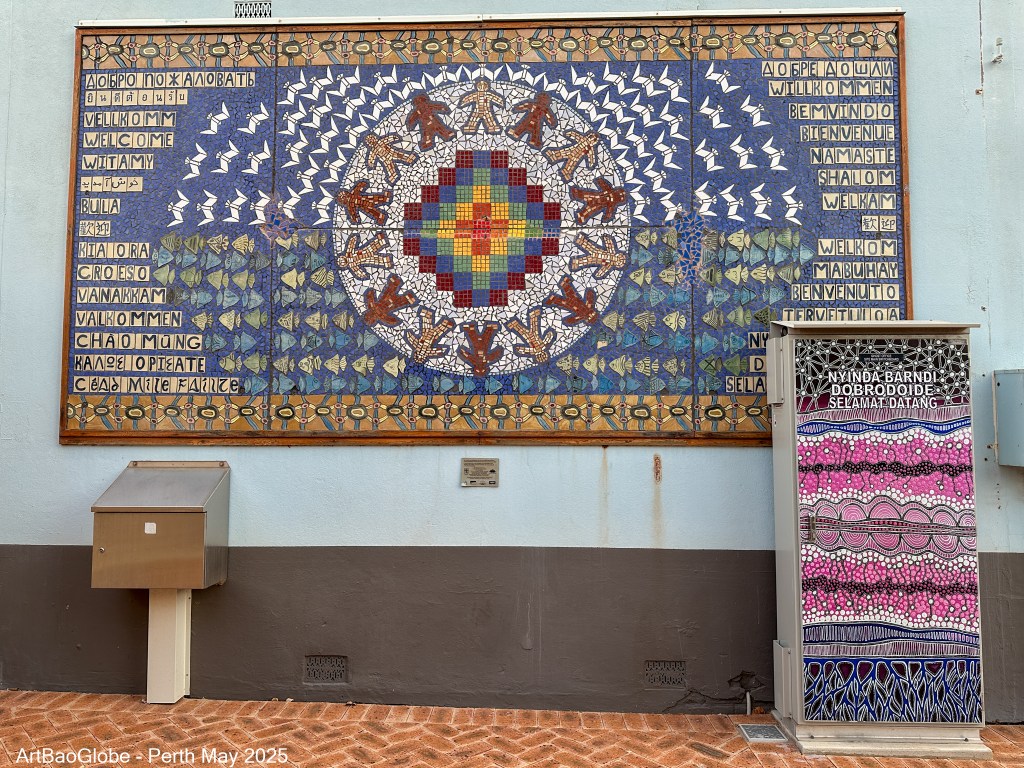
Geraldton is another charming coastal town. It offers a refreshing blend of history, ocean views, and laid-back local life. Its the kind of place where you can slow down, stretch your legs, and enjoy a quieter side of the journey.
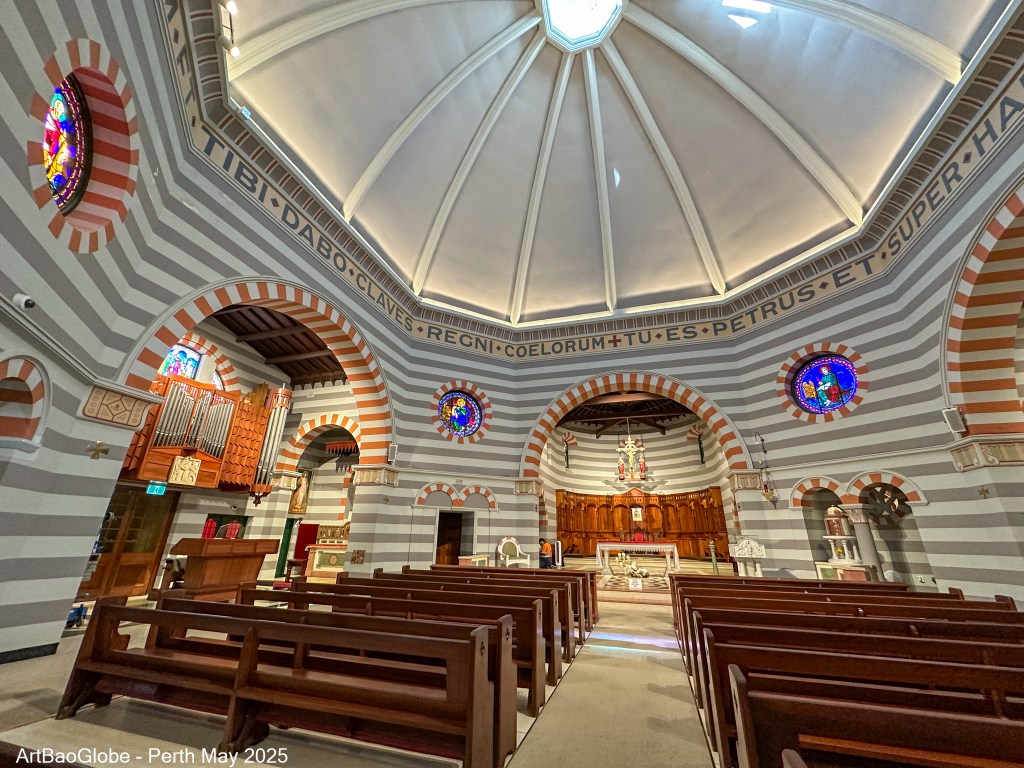
One of Geraldton most beautiful landmarks, St Francis Xavier Cathedral stands out with its impressive architecture and serene presence. Designed by Monsignor John Hawes, the cathedral features intricate details, warm tones, and a peaceful interior that offers a quiet escape from the outside world. Whether you are drawn by architecture or simply looking for a moment of stillness, its well worth a visit.
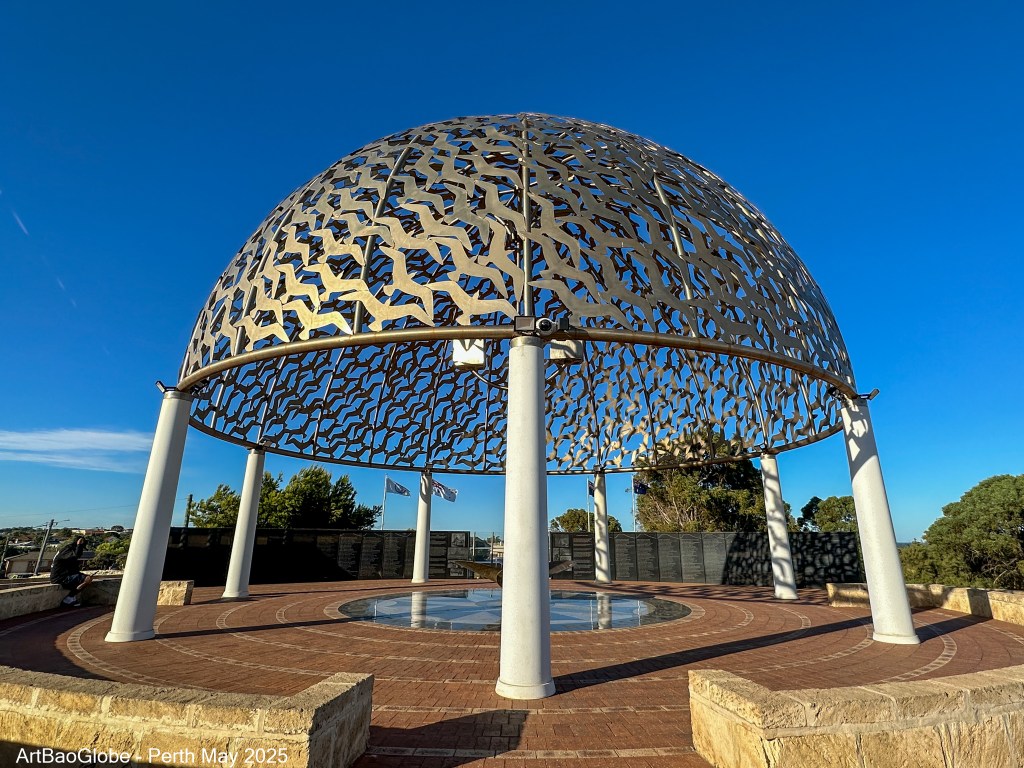
HMAS Sydney II Memorial is both a striking landmark and a deeply moving tribute. Dedicated to the 645 sailors lost during World War II, the memorial features a dome of 645 stainless steel seagulls, each representing a life lost at sea. Standing here, overlooking the vast Indian Ocean, the atmosphere feels quiet and reflective, a place that invites you to pause and remember.
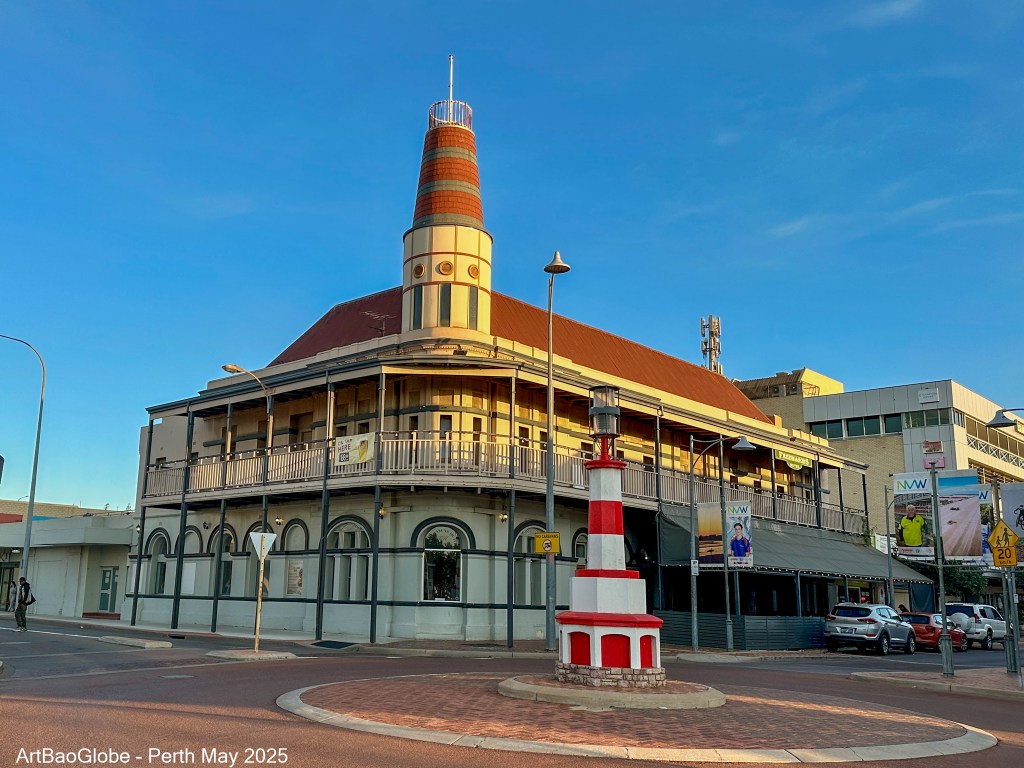
Wishing Well Lookout offers sweeping city views and a peaceful spot to take in the surroundings. A simple yet rewarding stop. Point Moore Lighthouse is known for its distinctive red and white stripes. Standing tall against the coastal backdrop, its a great spot for photos especially with the ocean and sky creating a beautiful contrast.
Beyond the main sights, Geraldton is best enjoyed at a slower pace. Take a walk through the city parks, where locals unwind and the atmosphere feels relaxed and welcoming. Find a quiet spot, enjoy some fresh strawberries at the park, and simply take in the moment.
Day 8 : Geraldton to Jurien Bay
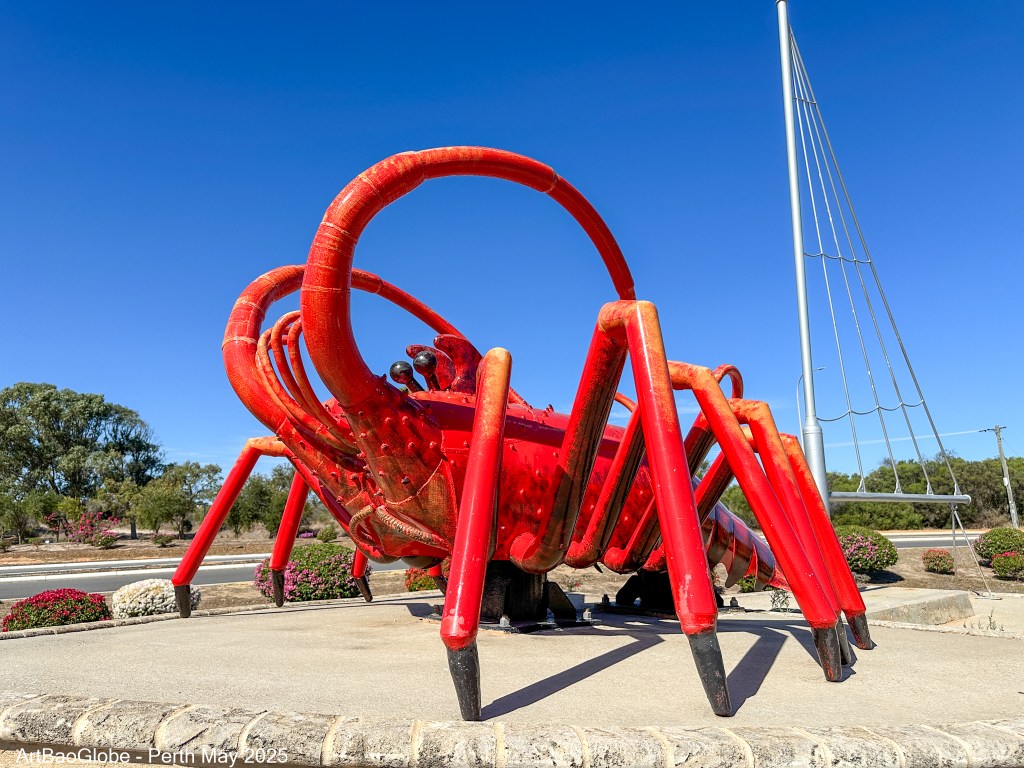
A short drive south of Geraldton, the quiet coastal town of Dongara makes for a lovely, unhurried stop along the way. Known for its Western Rock Lobster industry, Dongara proudly celebrates this heritage with a larger than life crayfish display at the town entrance. A fun and quirky photo stop that perfectly captures the coastal character of the town.
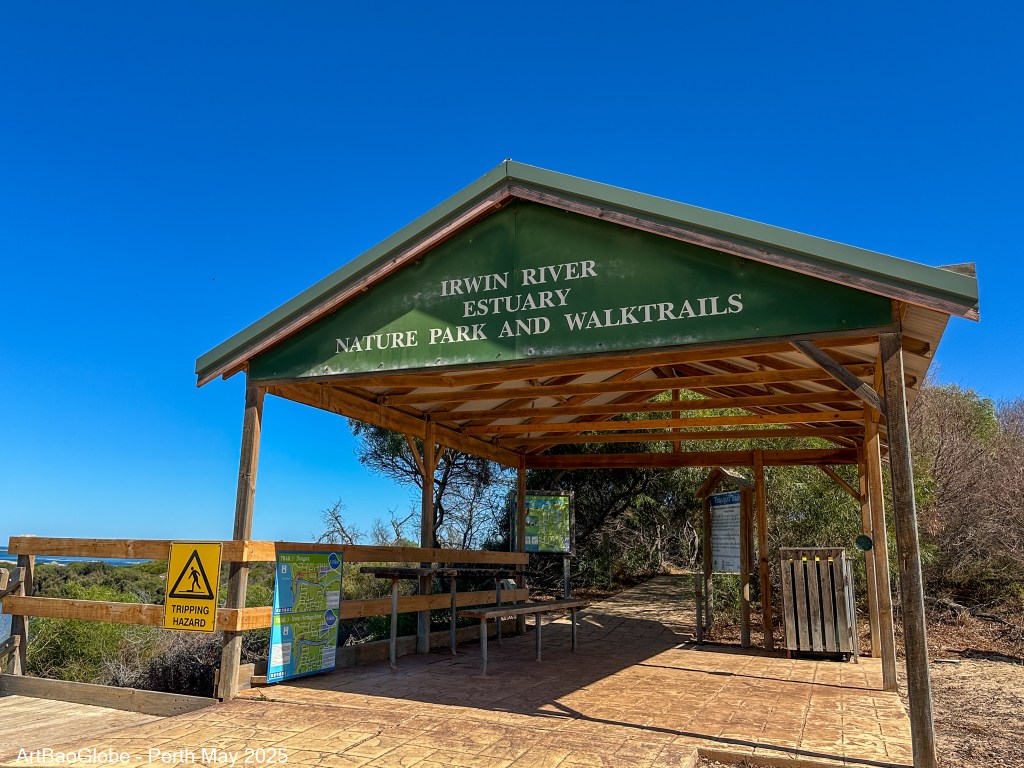
A tucked away cafe, Seaspray Cafe is a cozy little spot that feels like a hidden gem. With its relaxed atmosphere and delicious food, a perfect place to take a break, recharge, and enjoy. Just nearby, the Irwin River Lookout offers a peaceful change of scenery. Overlooking the calm river as it winds toward the sea, its a quiet spot to take in the gentle beauty of the surroundings.
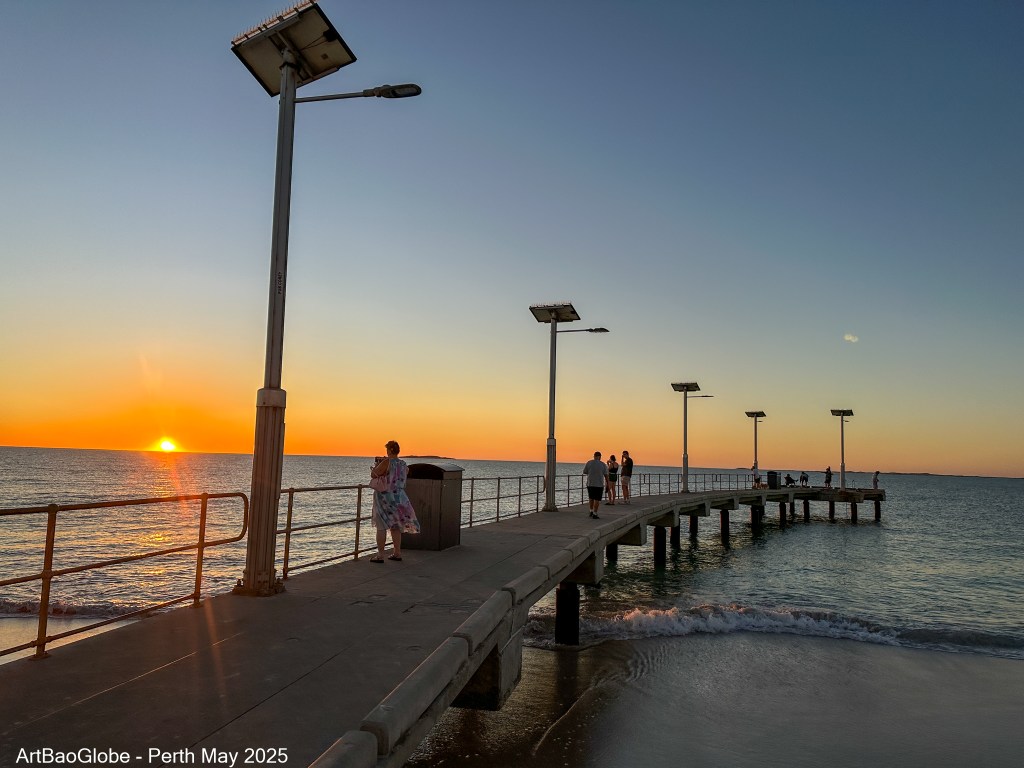
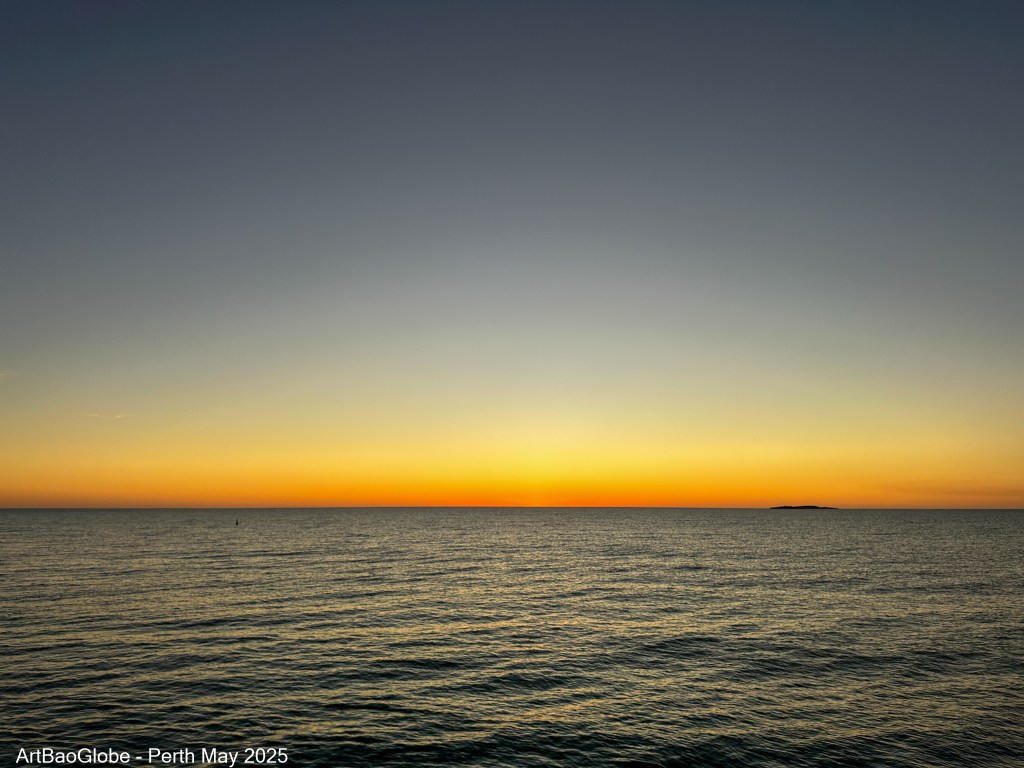
A stone throw away from our accommodation, Jurien Bay Tourist Park, is the beach and jetty. Wonder around Jurien Bay Jetty during sunset is a simple yet unforgettable experience. As the sky softens into warm hues and the ocean reflects the fading light, it is the perfect moment to enjoy the quiet, peaceful, and effortlessly beautiful.
Day 9 : Jurien Bay to Perth
Sea Lions Tour with Turquoise Safaris
One of the most unique experiences at Jurien Bay is swimming with sea lions, and we joined Turquoise Safaris for this unforgettable encounter. Initially, we had only signed up to observe from onboard. But at the last minute, I decided to give it a try and it turned out to be one of the highlights of the trip. Out in the open sea, it was definitely a challenge, especially since it had been a while since I last swam. Most of the time, I held onto the float while the dive guides gently guided us along. Then came the magical moment, a playful sea lion appeared, swimming effortlessly around us as if inviting us into its world. At times, it came surprisingly close, moving with such grace and curiosity. Even so, we were always reminded to maintain a respectful and safe distance. It was both exhilarating and humbling. Despite the initial hesitation and physical challenge, the experience of being so close to these wild, intelligent creatures made it all worthwhile. Another unforgettable moment of connecting with nature.

