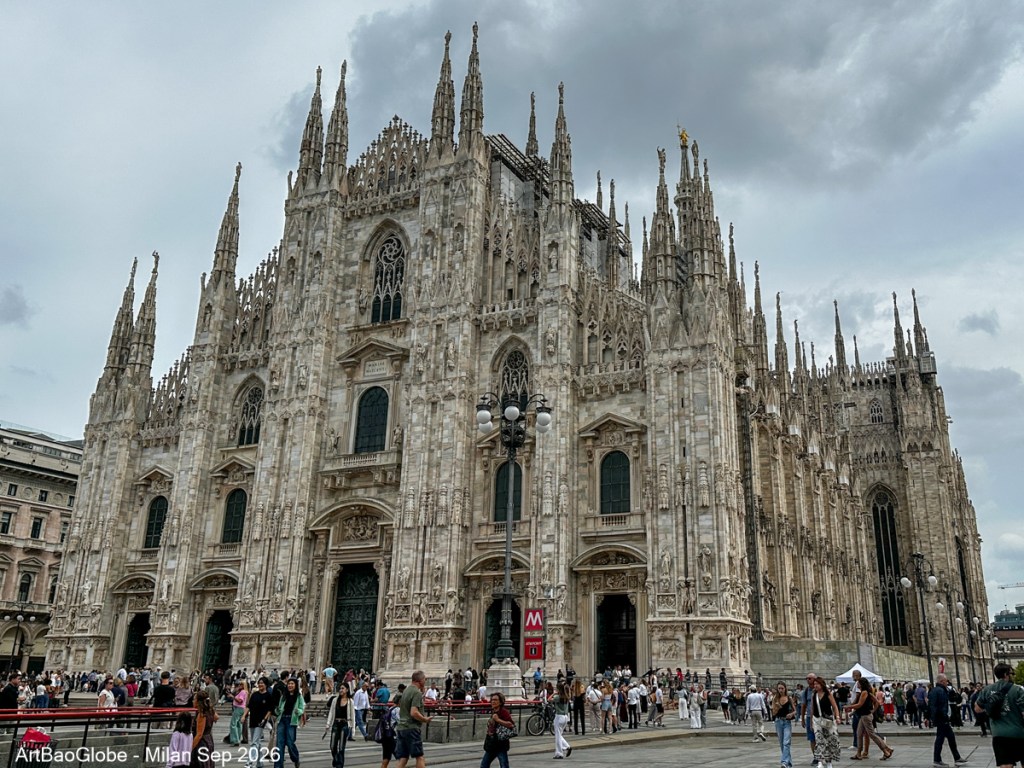
The best way to explore Milan is by metro. Its well-connected public transport network makes getting around the city convenient and easy, with most major attractions accessible by metro with a short walk. Driving in the city can be rather inconvenient, especially for visitors unfamiliar with its traffic restrictions. Milan has several Limited Traffic Zones (ZTL), where vehicle access is restricted, and finding a parking space can also be a challenge. Unless you are planning to explore areas outside the city, taking public transport is definitely the more hassle-free option.
We spent two days in Milan, which gave us enough time to explore the city main attractions at a more relaxed pace without having to rush from one place to another. It also allowed us to soak in the city atmosphere and admire its architecture.
Galleria Vittorio Emanuele II
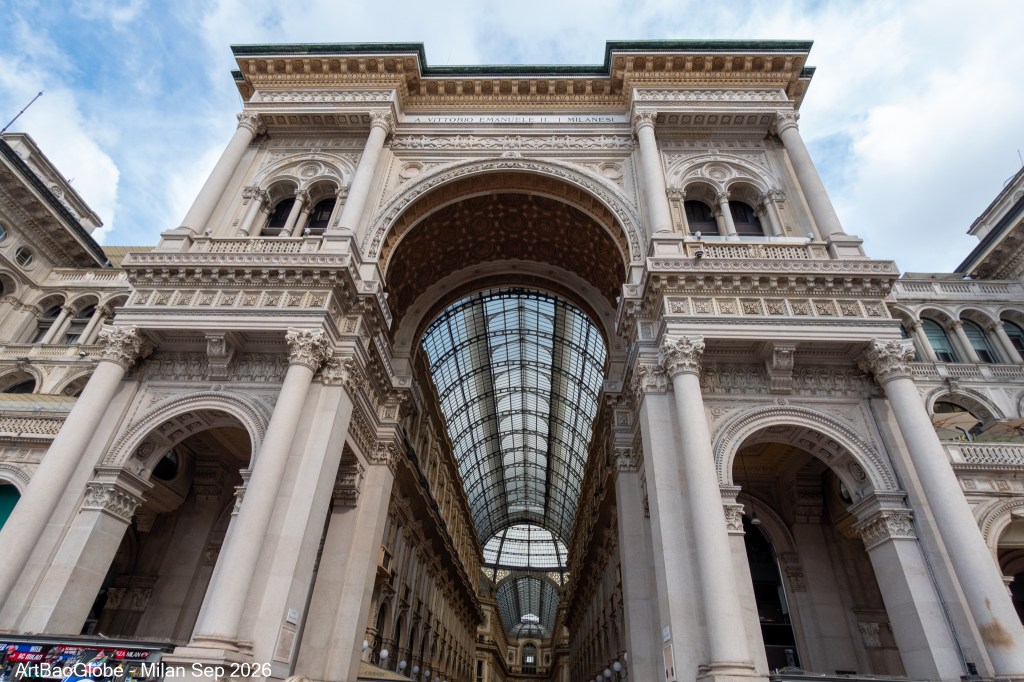
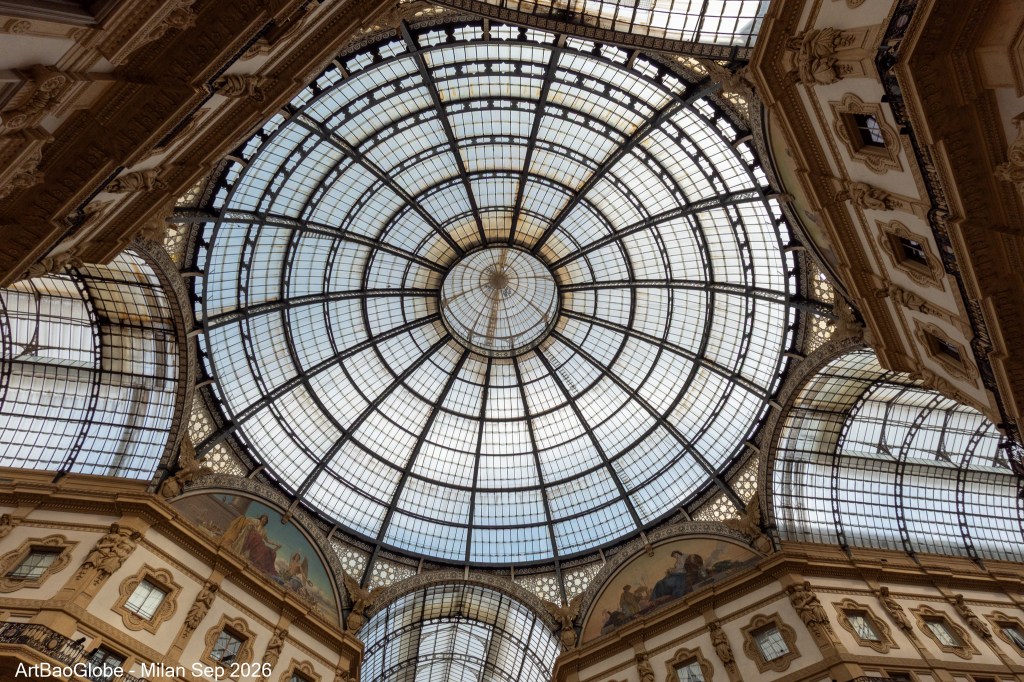
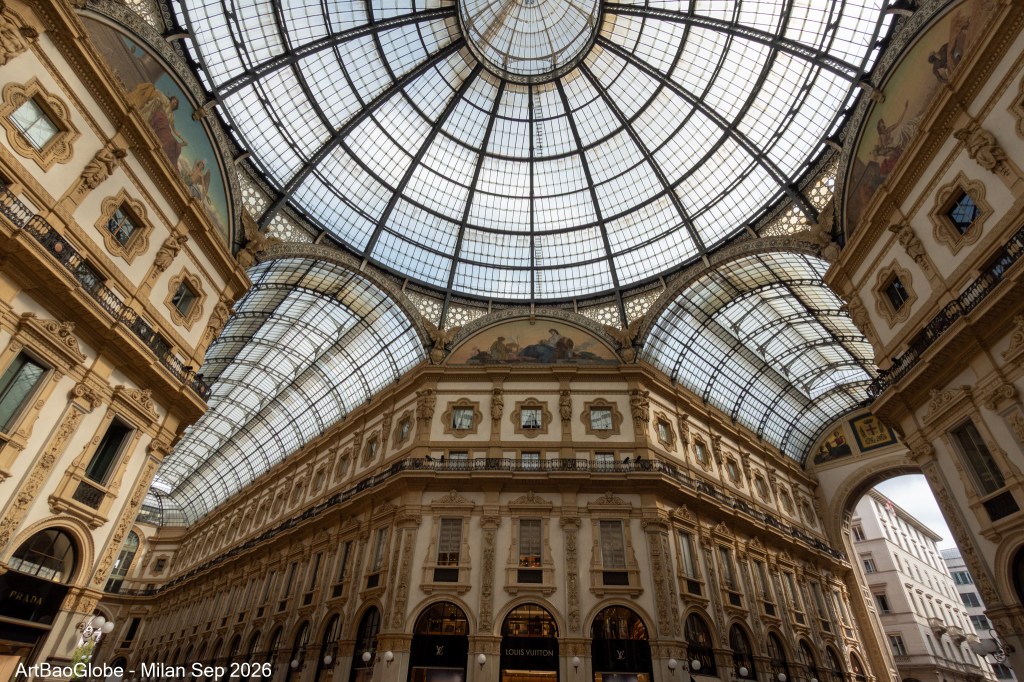
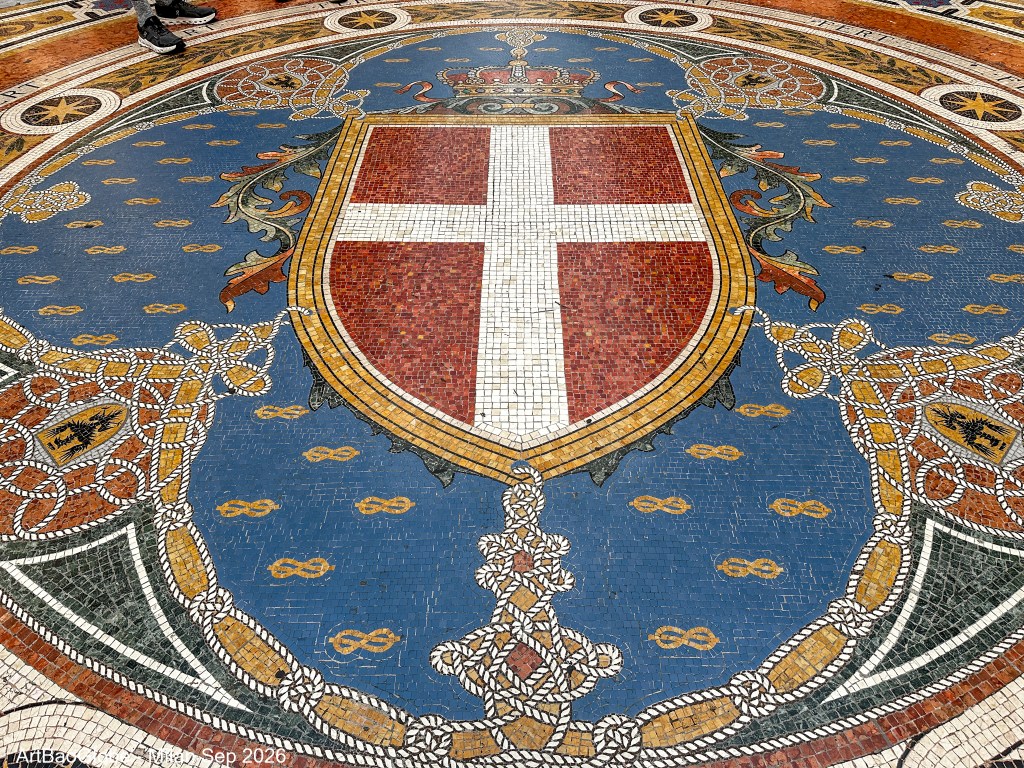
Located right beside the Duomo, Galleria Vittorio Emanuele II is one of Italy oldest shopping arcades. The highlight is undoubtedly its magnificent central glass-and-iron dome, which allows natural light to flood into the elegant arcade. Look down and you will find beautifully detailed mosaic floors, including the famous coats of arms representing major Italian cities. Beyond its stunning architecture, the gallery is lined with luxury boutiques, charming cafes and restaurants. Even if shopping is not on your list, it is well worth stepping inside to admire this architectural gem.
Teatro alla Scala (La Scala)
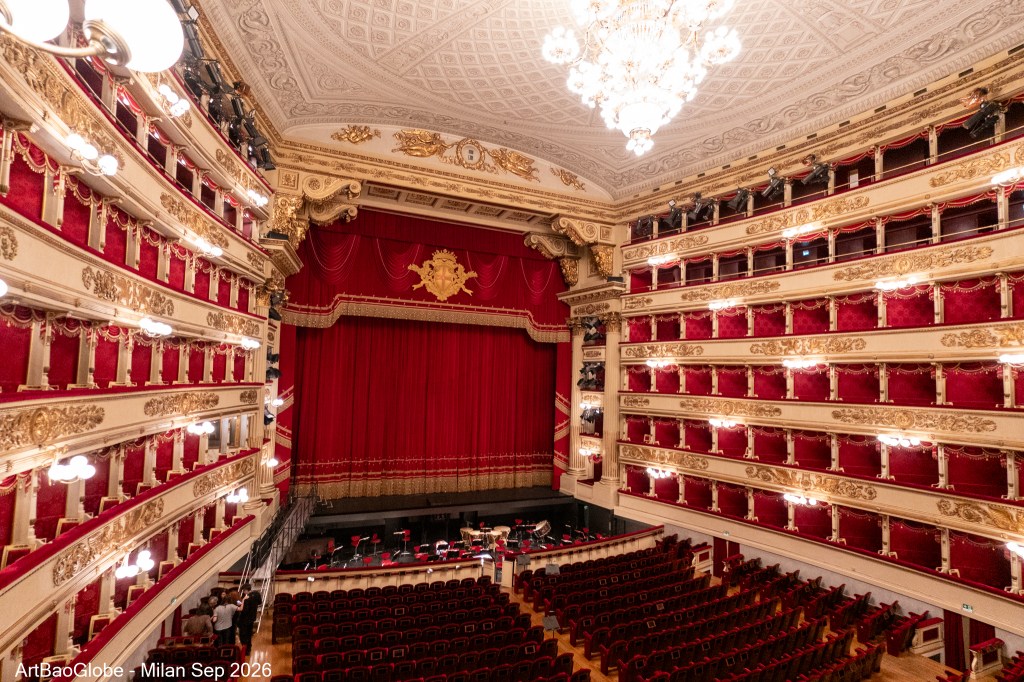
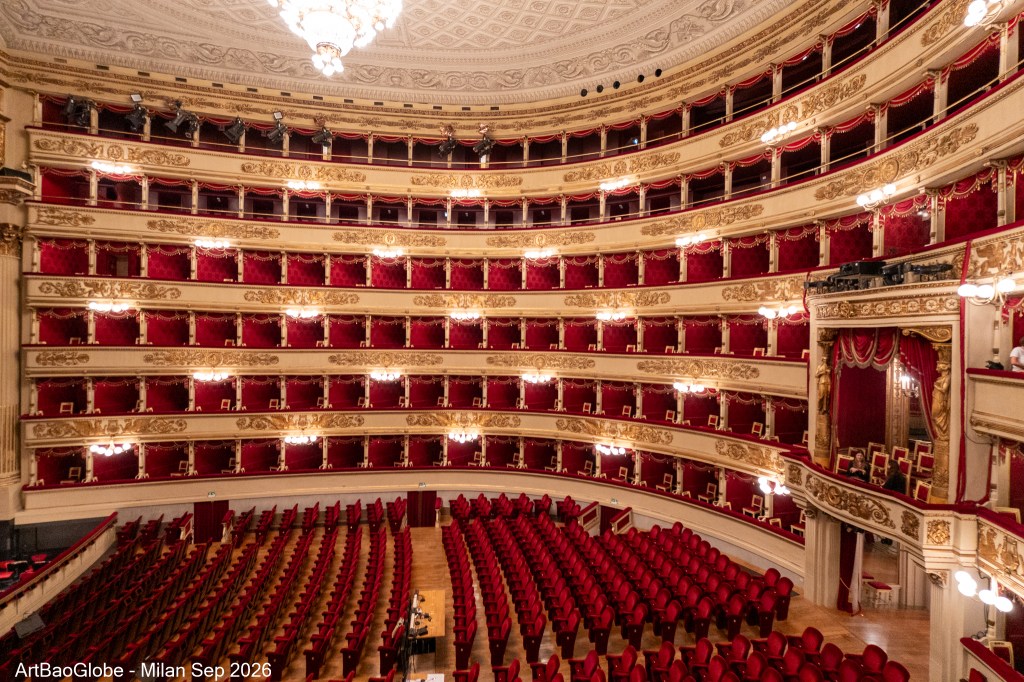
One of Italy most prestigious and renowned opera houses, Teatro alla Scala, commonly known as La Scala, first opened its doors in 1778. Stepping inside is like entering a world of elegance and musical history. Its magnificent horseshoe-shaped auditorium, adorned with gilded details, plush red velvet seats and grand chandeliers, is truly breathtaking. Museum admission also includes access to a view of the auditorium, provided there are no rehearsals or performances taking place. A wonderful opportunity to admire one of the world most celebrated opera houses from within.
Duomo di Milano : A Gothic Masterpiece
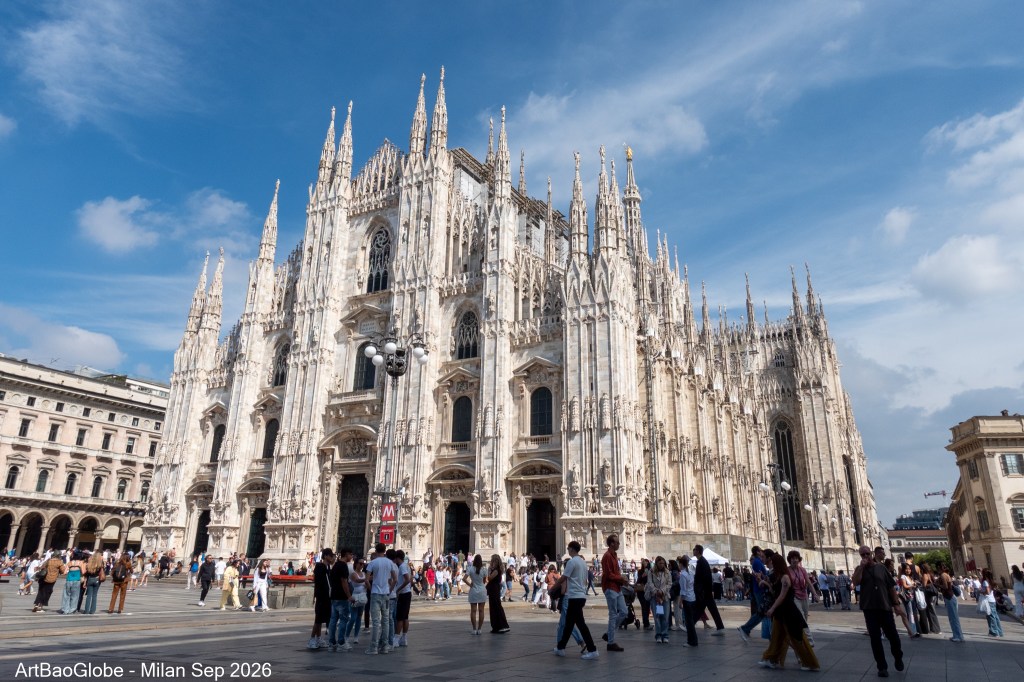
The magnificent Duomo di Milano is one of the largest churches in Europe and an architectural masterpiece that is simply impossible to miss. Standing proudly in the heart of the city, this impressive Gothic cathedral took nearly six centuries to complete.
Start by admiring its breathtaking exterior, adorned with countless statues, intricate carvings and towering marble spires. Every corner reveals remarkable craftsmanship and intricate details, making it hard to take your eyes off this magnificent structure.
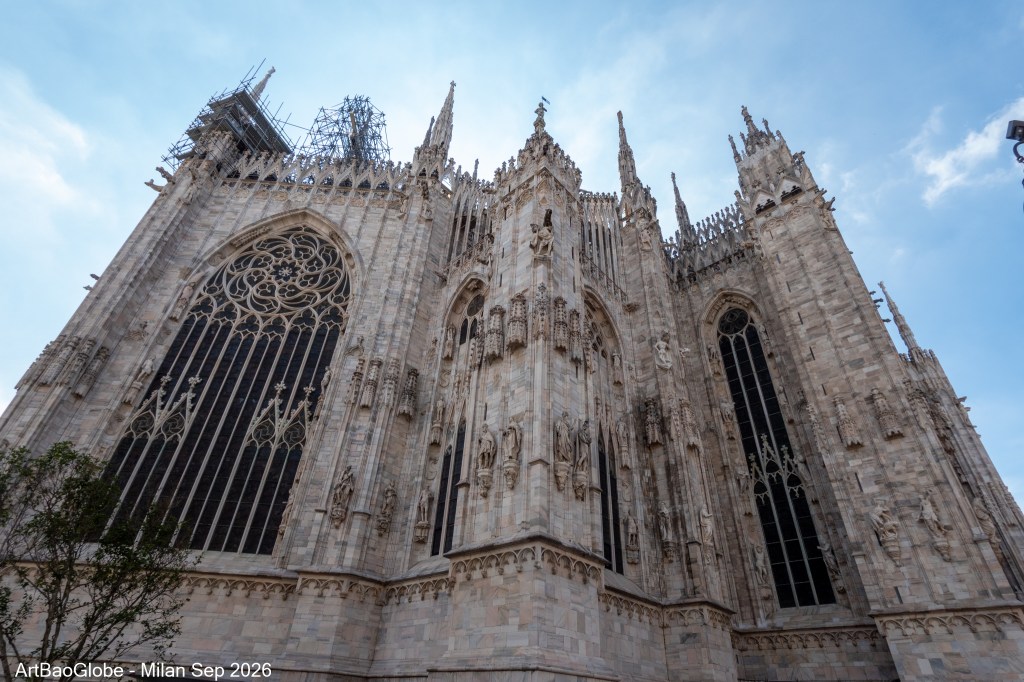
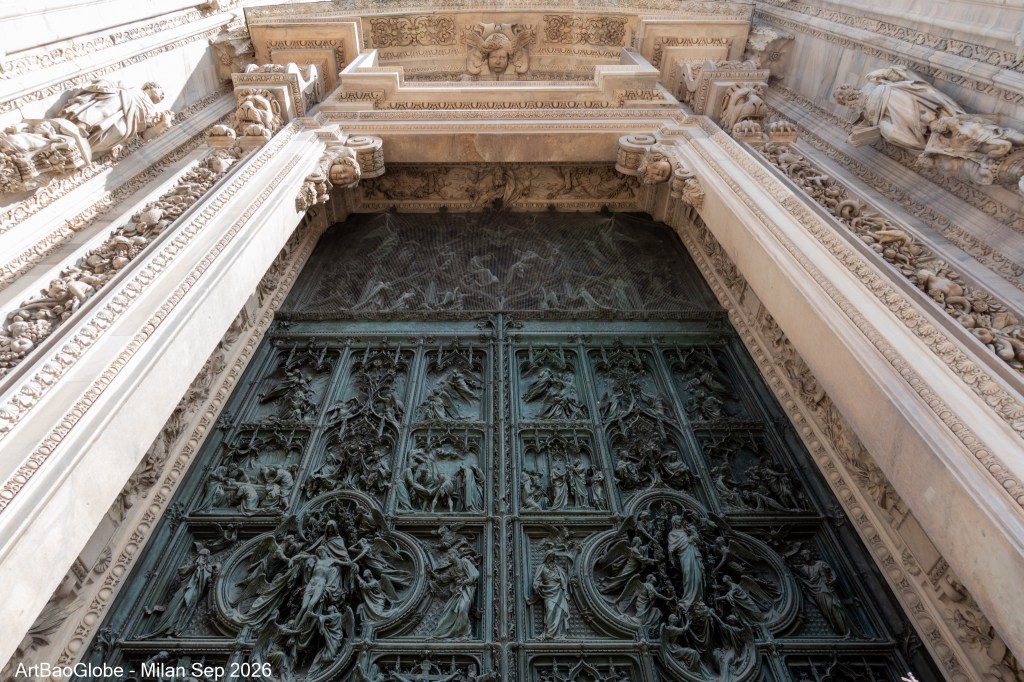
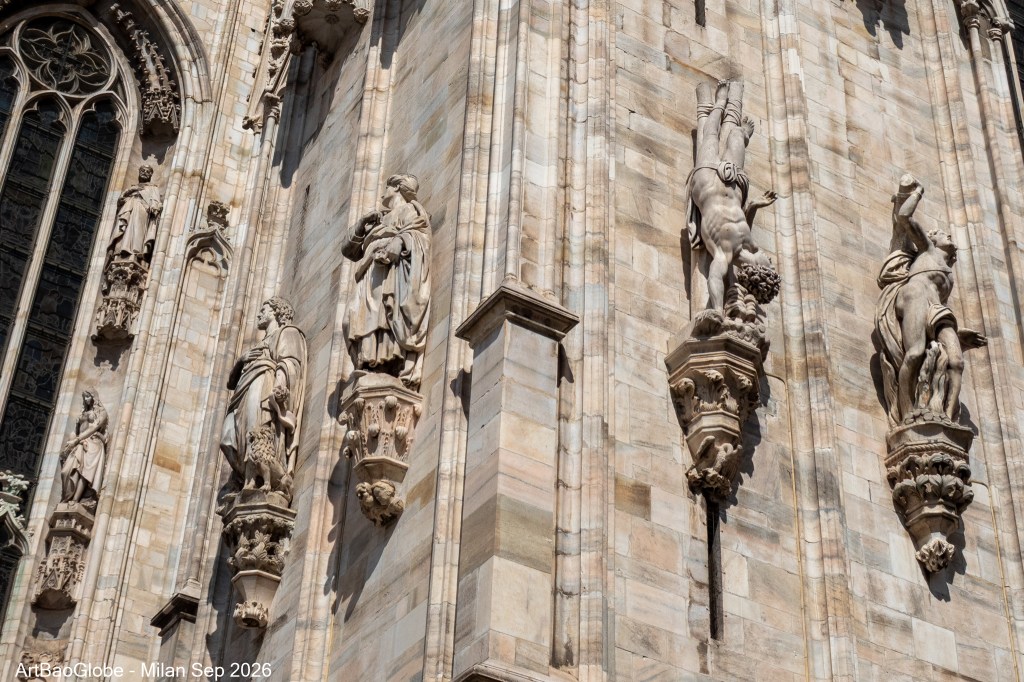
Step inside and you will be greeted by an equally impressive interior. Look out for the enormous stained-glass windows, which tell beautiful biblical stories through their vibrant colors and intricate designs. The cathedral also houses historic tombs, religious monuments and a grand worship space capable of accommodating thousands of worshippers at a time.
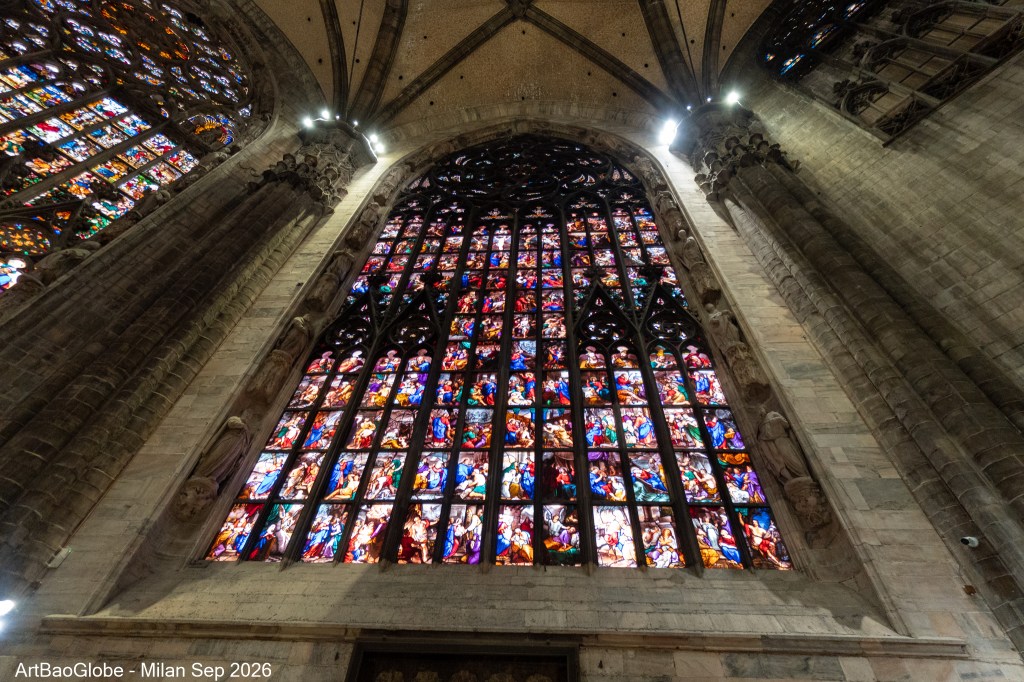
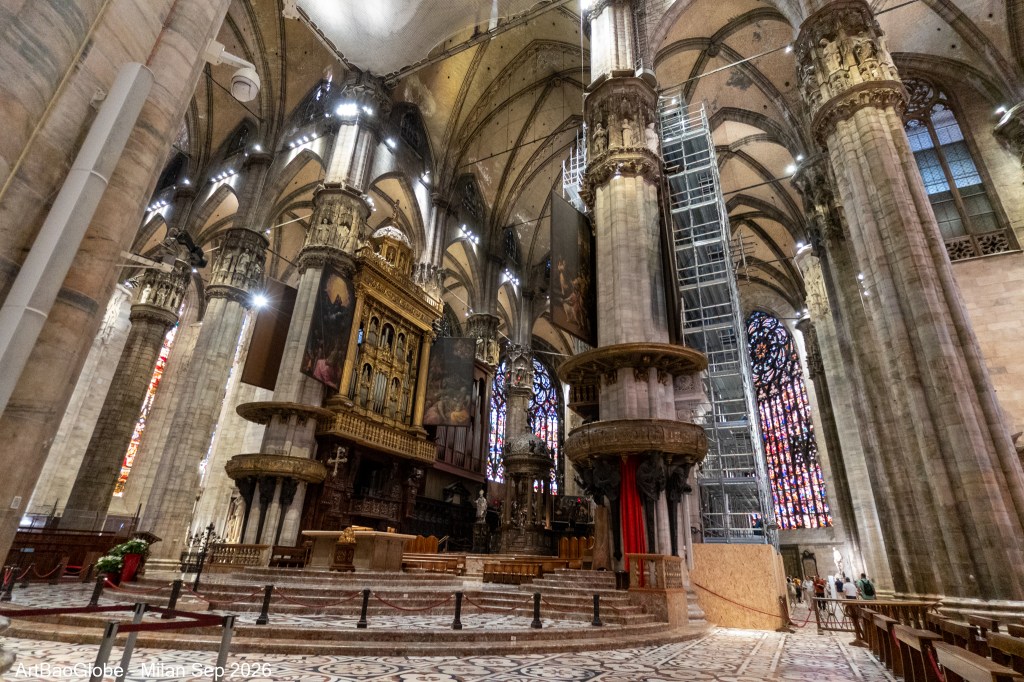
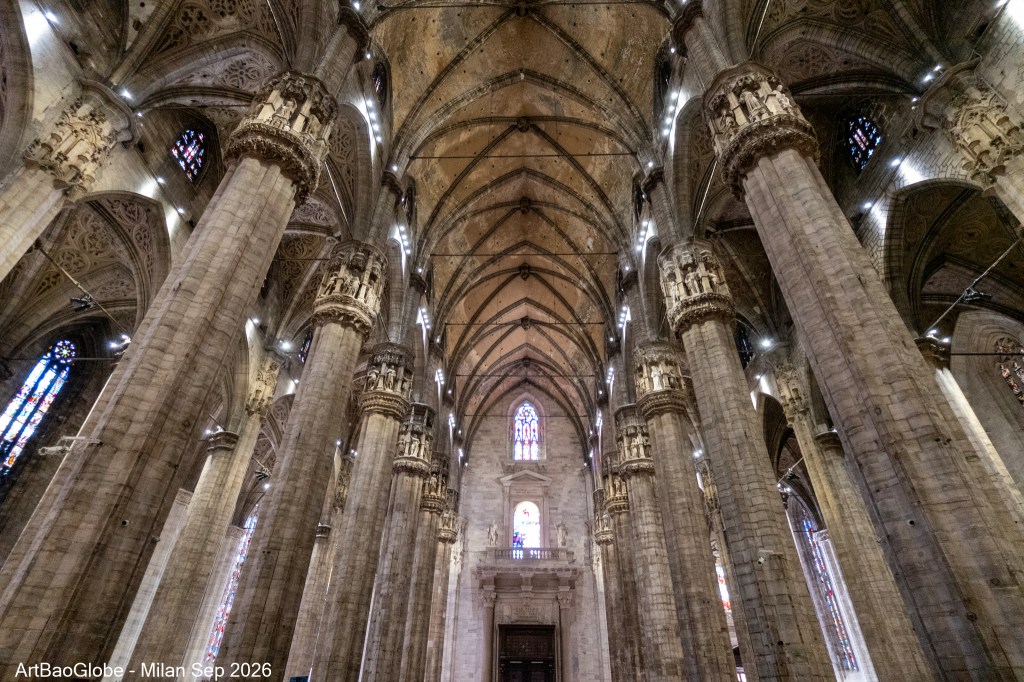
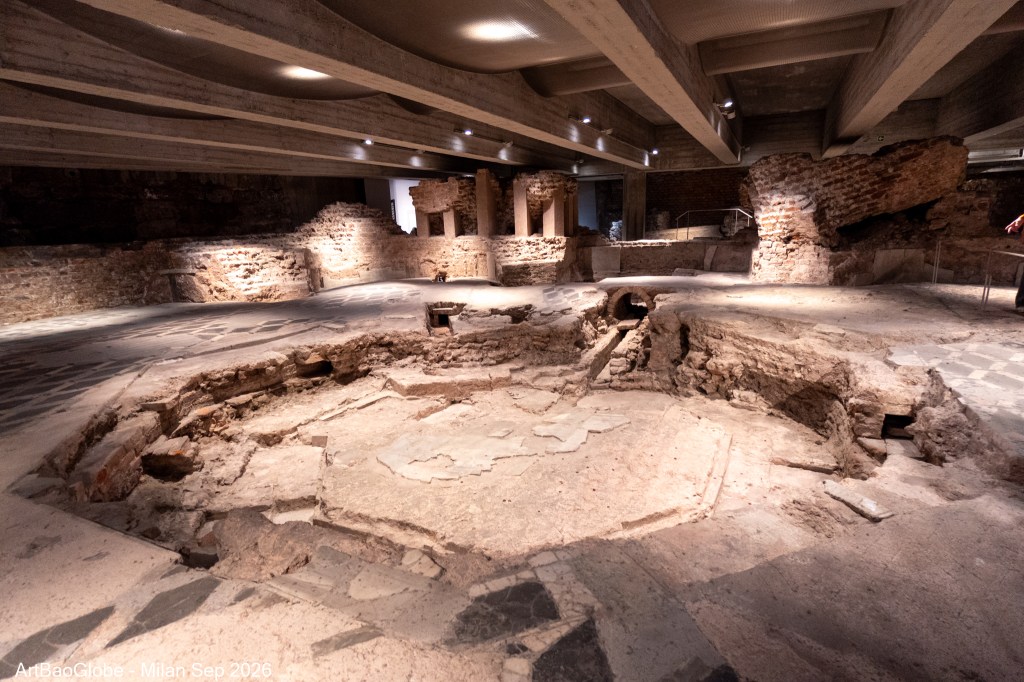
For a glimpse into Milan past, head down to the underground archaeological area, where remains of ancient buildings and earlier places of worship offer a fascinating insight into the city history.
However, one of the absolute highlights is the rooftop visit. Take the lift up and explore the cathedral rooftop, where you can walk among its remarkable marble spires, statues and intricate Gothic decorations up close. The panoramic views across Milan skyline are an added bonus. It is quite an experience to see the architectural details from this unique perspective rather than just admiring them from the ground.
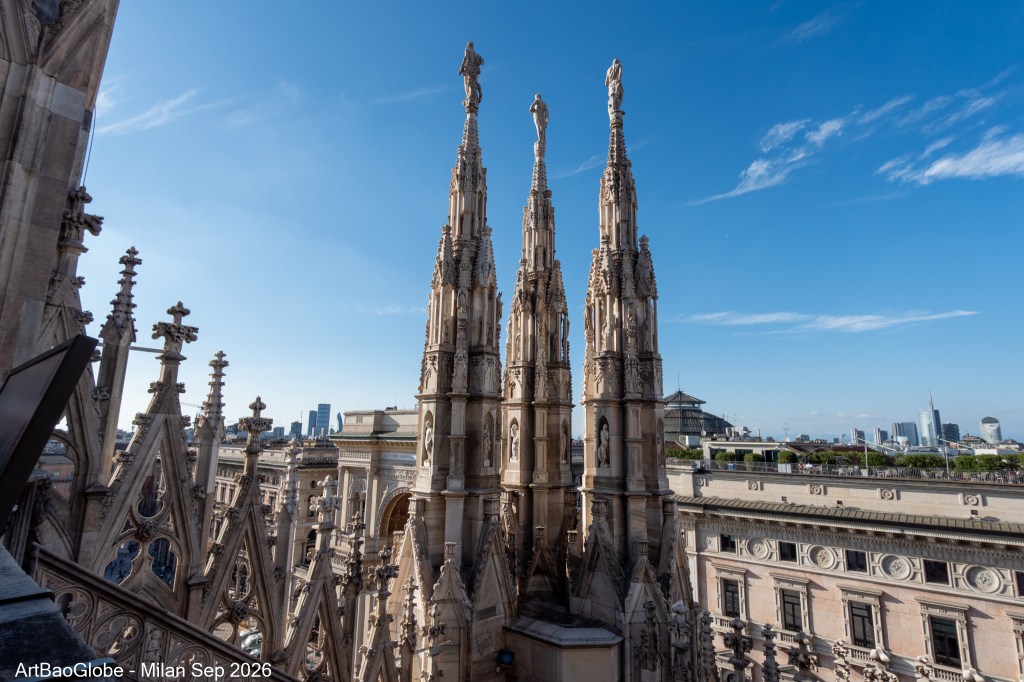
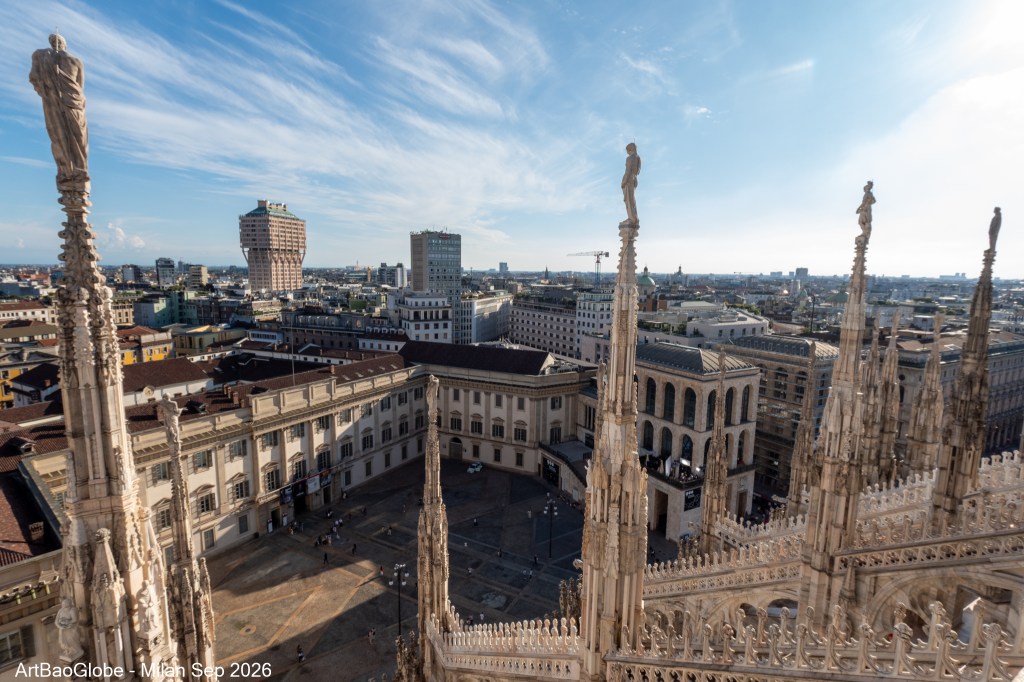
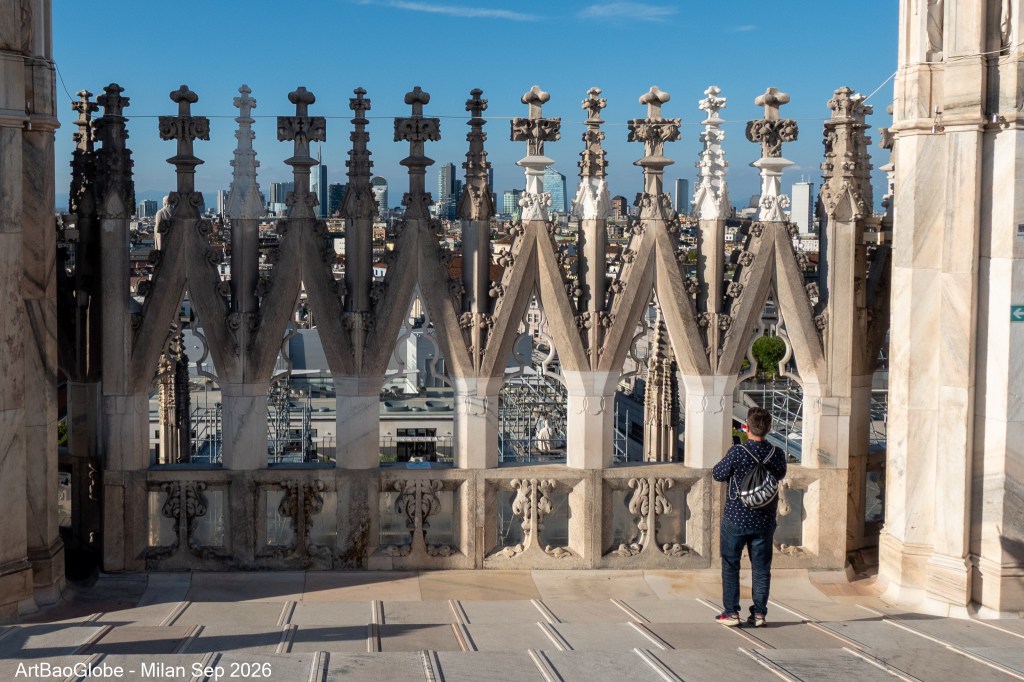
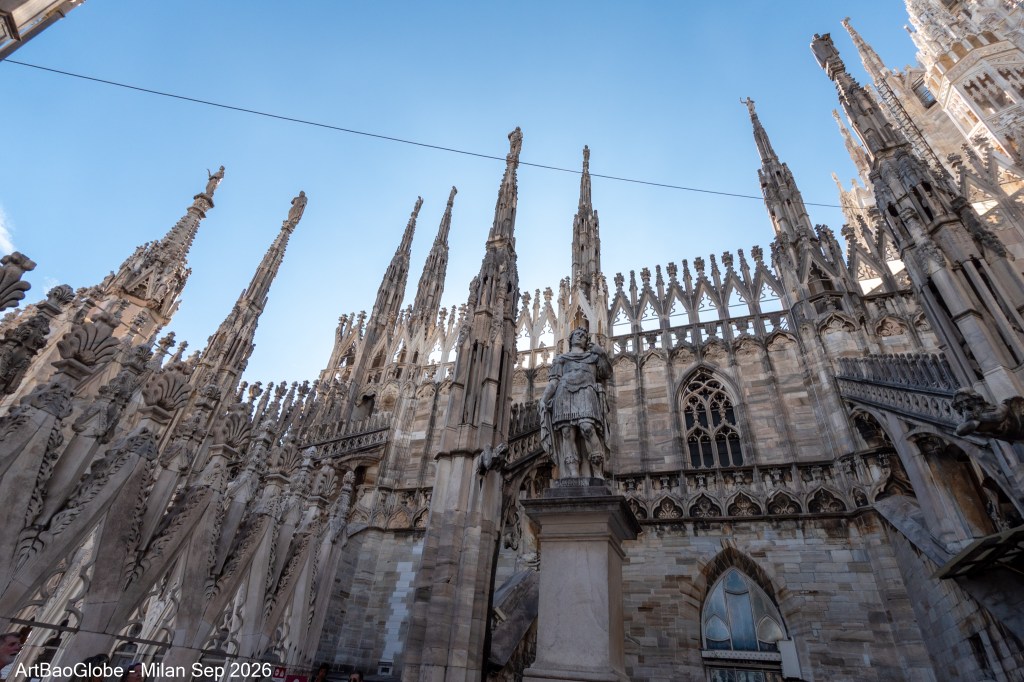
If you have the time, consider joining a guided tour like we did, which typically lasts around 2 hours and offers a deeper understanding of the cathedral history, architecture and hidden details. Book your tickets or guided tour in advance is highly recommended. Modest clothing is required. Shoulders and knees should be covered when entering the cathedral.
San Bernardino alle Ossa
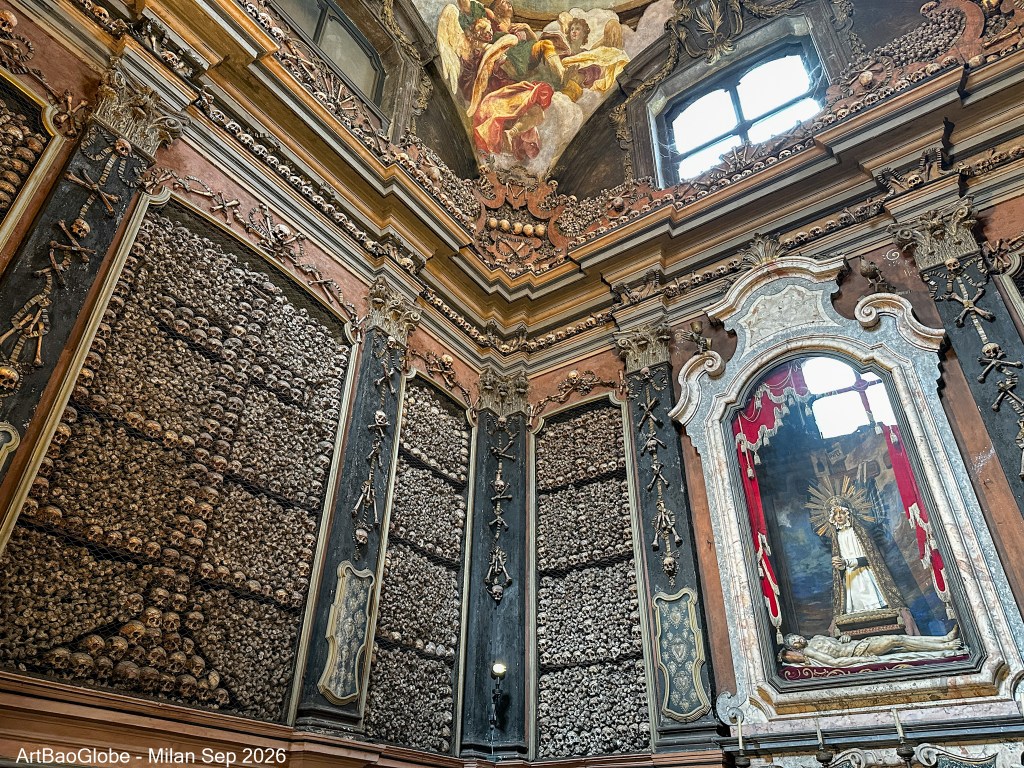
One of Milan most unusual and intriguing hidden gems is San Bernardino alle Ossa, a church famous for its small ossuary chapel decorated with human skulls and bones. The origins of the ossuary date back to 1210, when a separate building was constructed to house human remains after the nearby cemetery ran out of space. Over the centuries, the chapel underwent several renovations and reconstructions, eventually becoming the fascinating sight it is today. Step inside the ossuary and you will find its interior walls covered with carefully arranged human skulls and bones, creating an atmosphere that is both haunting and captivating. While it may seem rather eerie at first, the display carries a deeper religious meaning. It reflects the Catholic traditions of venerating the dead and contemplating mortality, reminding visitors of the fragility of life, death and the afterlife. It is certainly not your typical church visit, but an intriguing stop that offers a different perspective on Milan religious history, traditions and artistic heritage.
Leonardo da Vinci’s The Last Supper
No visit to Milan would be complete without seeing The Last Supper, one of Leonardo da Vinci most celebrated masterpieces. Painted between approximately 1495 and 1498, this iconic artwork depicts the dramatic moment when Jesus announces that one of his disciples will betray him.
The painting has a rather remarkable history. Its deterioration began just a few years after completion, partly due to Leonardo’s experimental painting technique, which proved unsuitable for the wall surface. Over the centuries, it underwent numerous restoration attempts and suffered further damage. During World War II, when bombing destroyed parts of the surrounding convent, the wall bearing the painting remarkably survived. One of the most significant restoration projects took 21 years and was completed in 1999. The painstaking process removed layers of previous retouching and overpainting accumulated over nearly 500 years, revealing what remained of Leonardo’s original work.
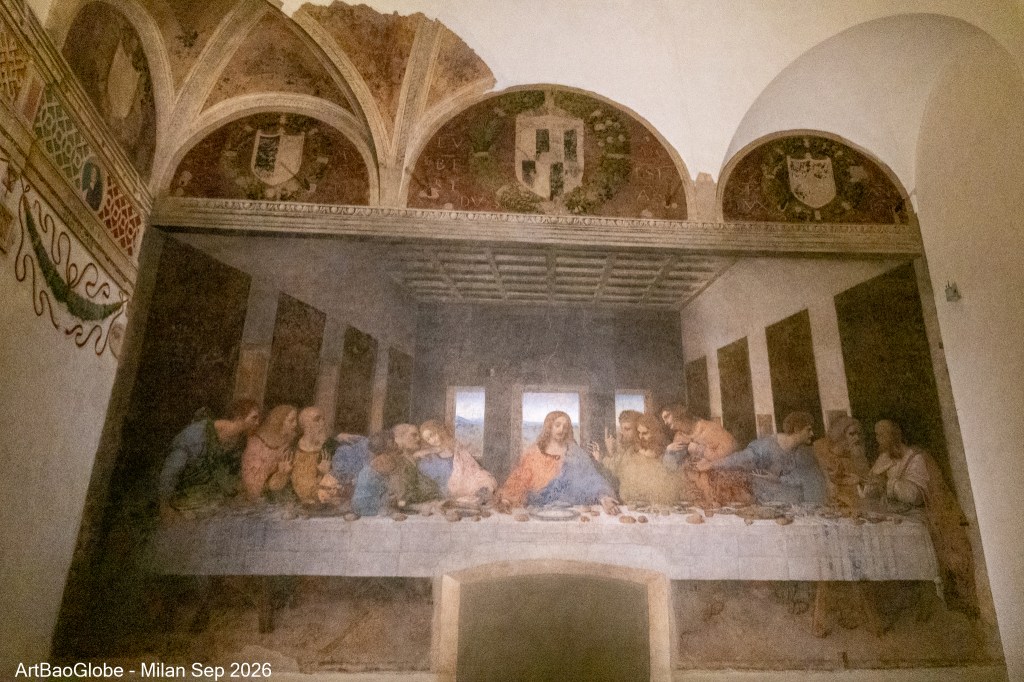
Today, the painting appears more delicate and faded than many might expect, yet its colours, expressions and remarkable composition continue to captivate visitors. The viewing experience is also quite exclusive. Each group of visitors is allowed only 15 minutes inside the room, with visitor numbers and entry times strictly controlled to help maintain a stable temperature and humidity level to protect the fragile artwork. Those precious 15 minutes pass surprisingly quickly, so take your time to appreciate the details and expressions captured in this extraordinary masterpiece.
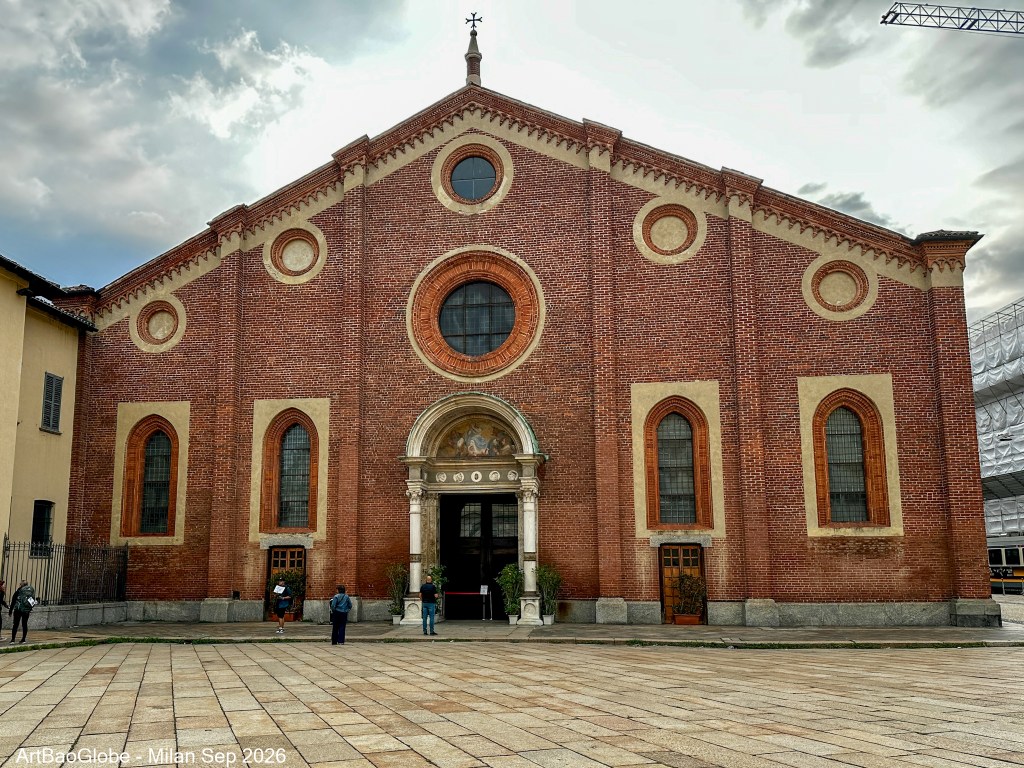
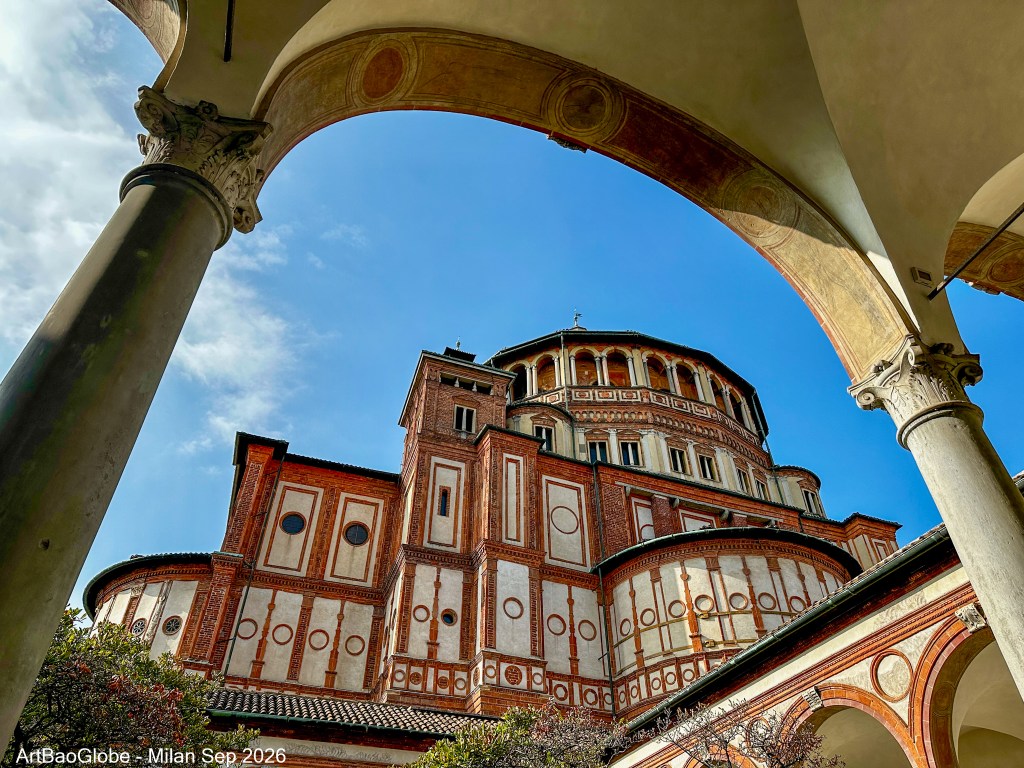
While you are here, take some time to visit the adjacent Basilica di Santa Maria delle Grazie. Its beautiful red-brick exterior, Renaissance architecture and impressive dome make it another worthwhile stop. The basilica provides a lovely complement to the artistic treasure housed within the adjoining convent.
Booking Tip: Getting tickets can be quite a challenge! Tickets are generally released in advance in batches, often covering several months at a time. Popular dates and time slots can sell out within hours of release. Plan ahead, check the official ticketing website regularly and be ready to book as soon as the next batch becomes available. Don’t leave this until the last minute!
Castello Sforzesco
Castello Sforzesco, also known as Sforza Castle, is a magnificent medieval fortress. Originally built in the 15th century on the remains of a 14th-century fortification, the castle was commissioned by Francesco Sforza, Duke of Milan. Over the centuries, the castle underwent several transformations. It was renovated and enlarged between the 16th and 17th centuries before undergoing extensive restoration and reconstruction between 1891 and 1905, restoring much of its former grandeur.
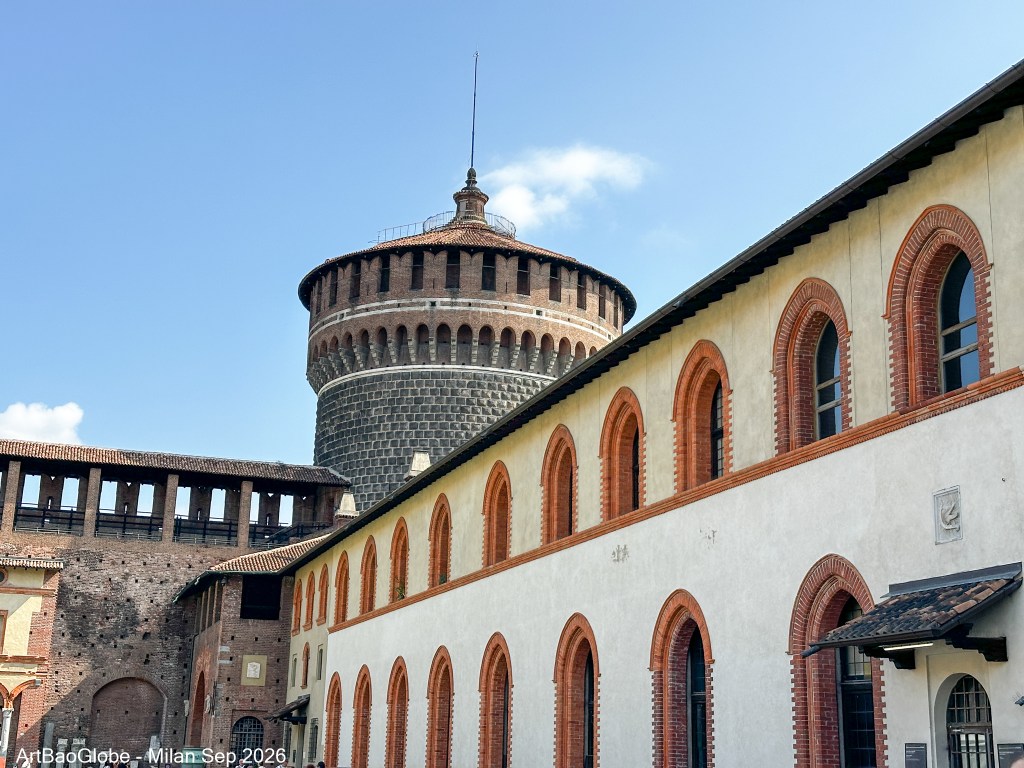
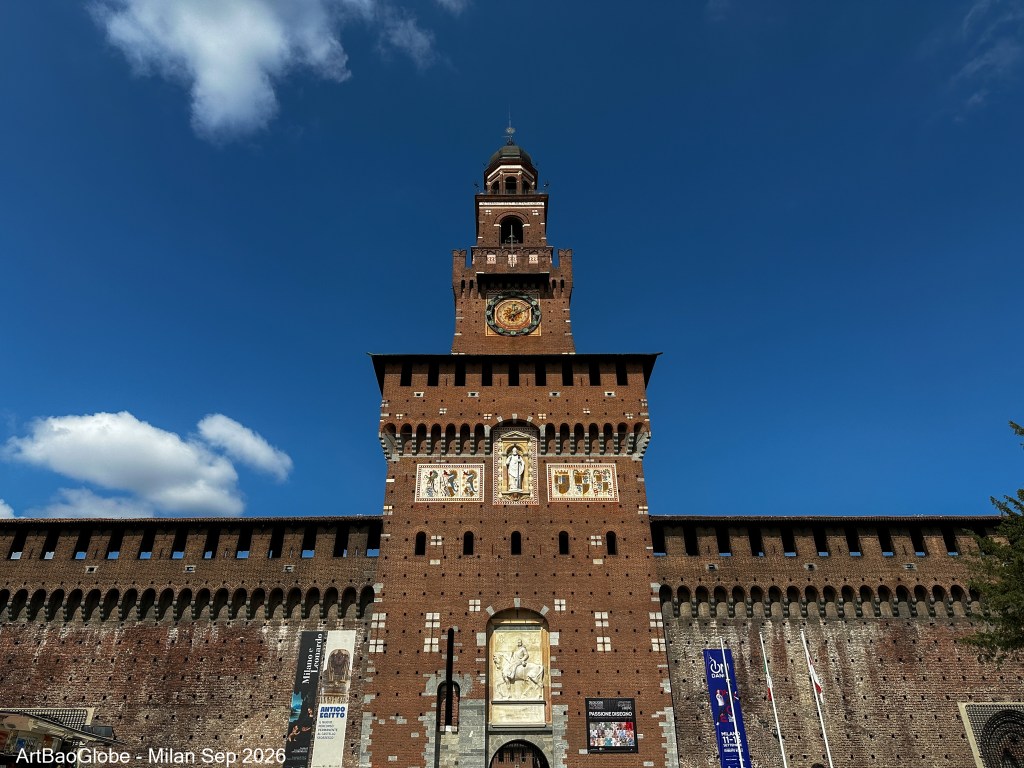
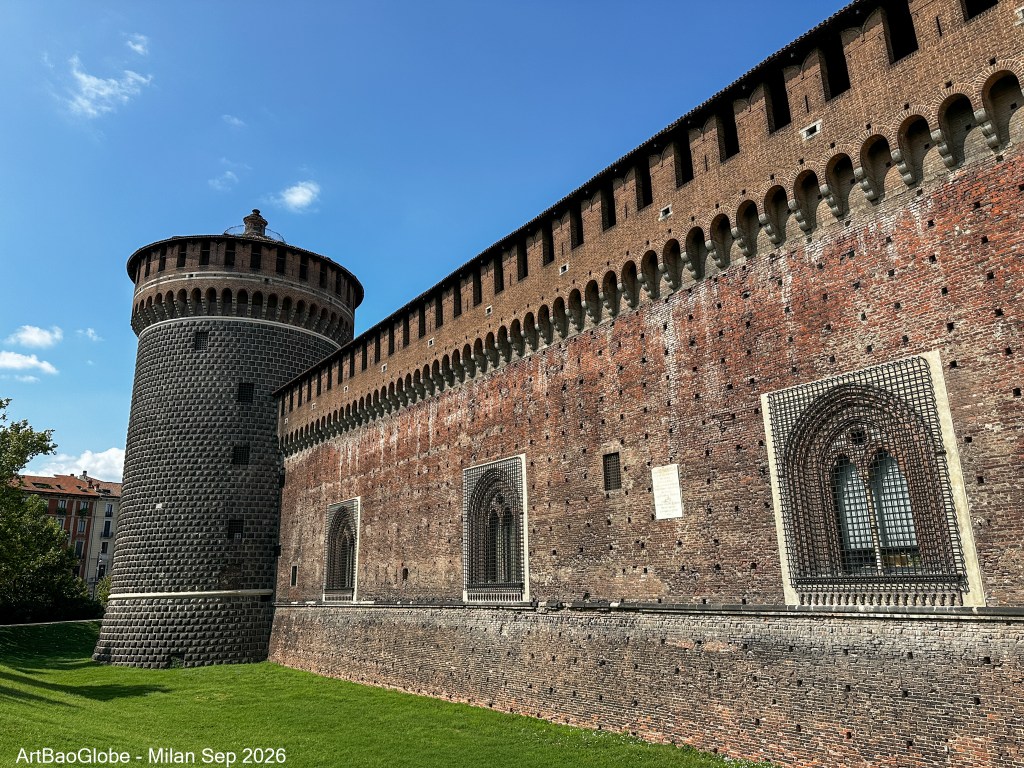
Today, this impressive red-brick castle stands as a beautiful reminder of Milan rich history. Beyond admiring its imposing towers, grand courtyards and impressive architecture, visitors can explore several museums housed within its walls, showcasing an extensive collection of art, sculptures, historical artefacts and cultural treasures. It is a wonderful place to step back in time and discover another fascinating chapter of Milan’s history.
Arco della Pace (Arch of Peace)
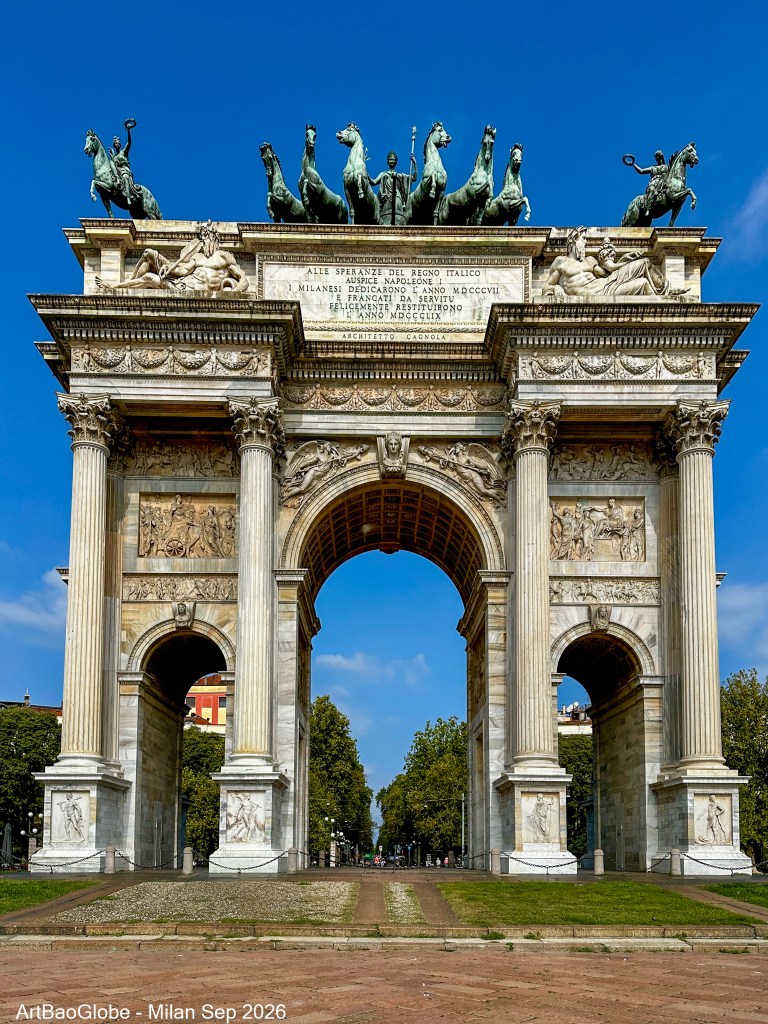
Located at one end of Parco Sempione, Arco della Pace is an impressive neoclassical triumphal arch and one of Milan notable landmarks. Built to commemorate peace in Europe following the Napoleonic Wars, this grand monument is adorned with intricate bas-reliefs, sculpted statues and elegant Corinthian columns. Its magnificent structure and detailed decorations make it a beautiful example of neoclassical architecture. The arch stands prominently at the edge of the park, creating a picturesque setting and a lovely spot to admire Milan architectural heritage.
Arco della Pace is just a short walk from Castello Sforzesco through Parco Sempione, you can easily combine both attractions in one visit. It a pleasant walking route with greenary.
Pinacoteca di Brera
Pinacoteca di Brera is one of Italy most important public art galleries and a must-visit for art lovers. Housed in the historic Palazzo Brera, the gallery showcases an impressive collection of paintings spanning from the 13th to the 20th century. Its extensive collection features masterpieces by renowned Italian artists, offering visitors a fascinating journey through different periods of Italian art, from medieval and Renaissance works to later artistic movements. Even if you are not an art enthusiast, it is worth stepping inside to admire the beautiful artworks and appreciate Italy rich artistic heritage.
Food we try in Milan
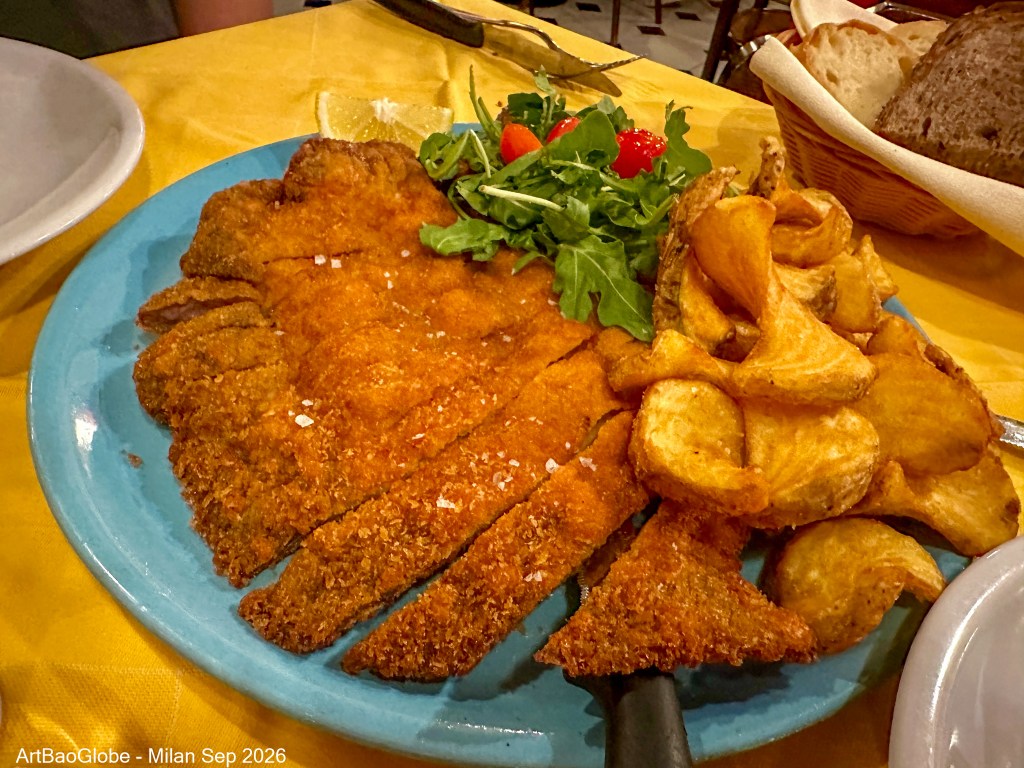
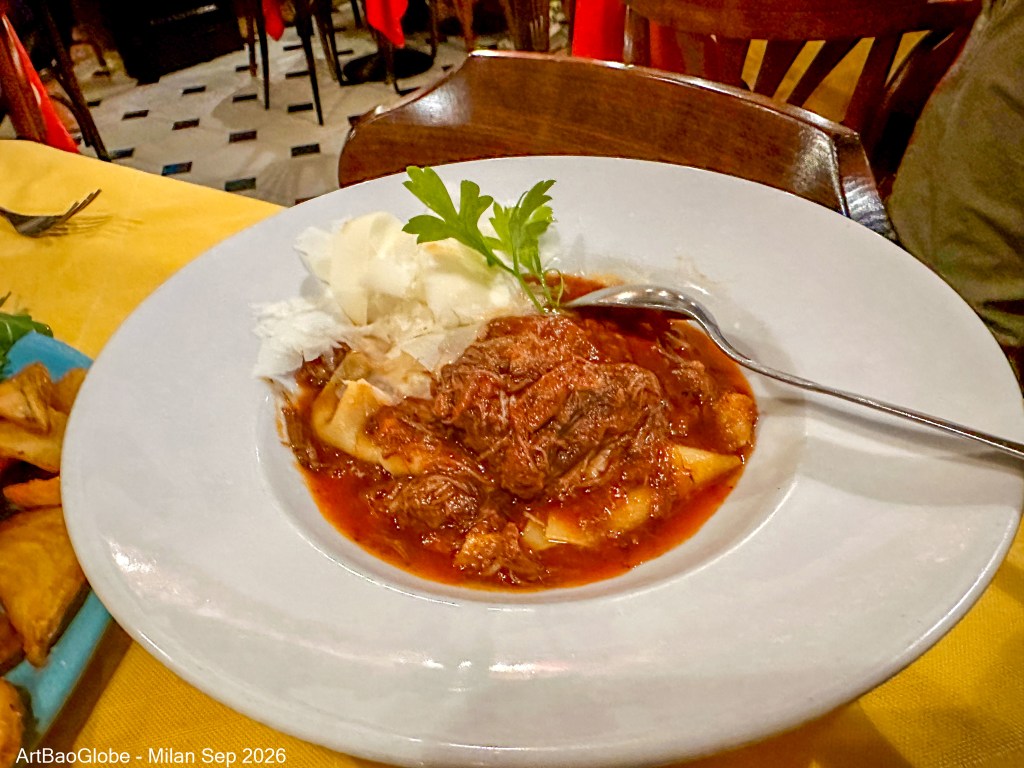
No trip to Milan is complete without sampling some of its traditional local cuisine. Milanese food is known for its rich flavours and hearty dishes, with saffron risotto and crispy veal cutlets among its most famous specialities.
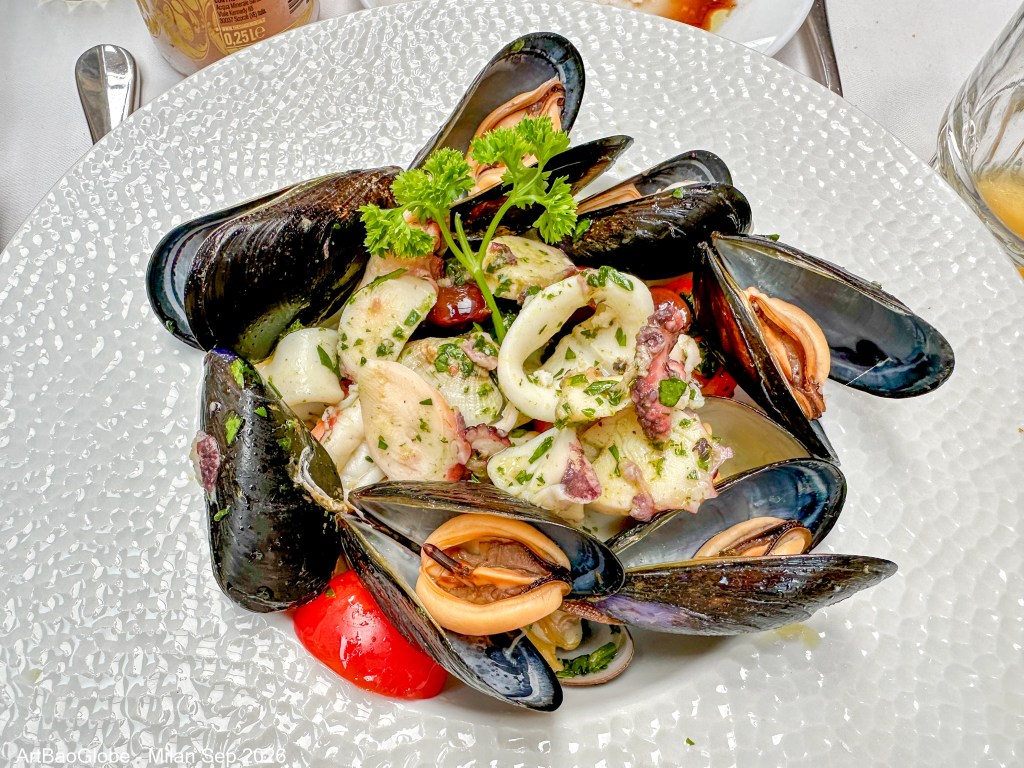
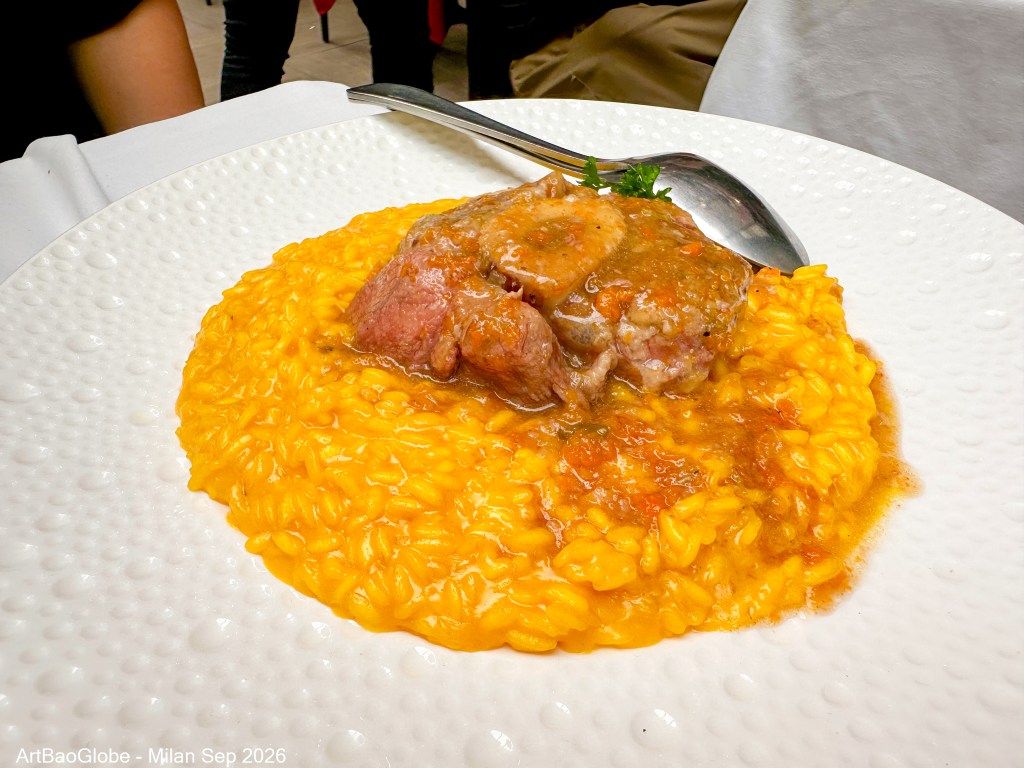
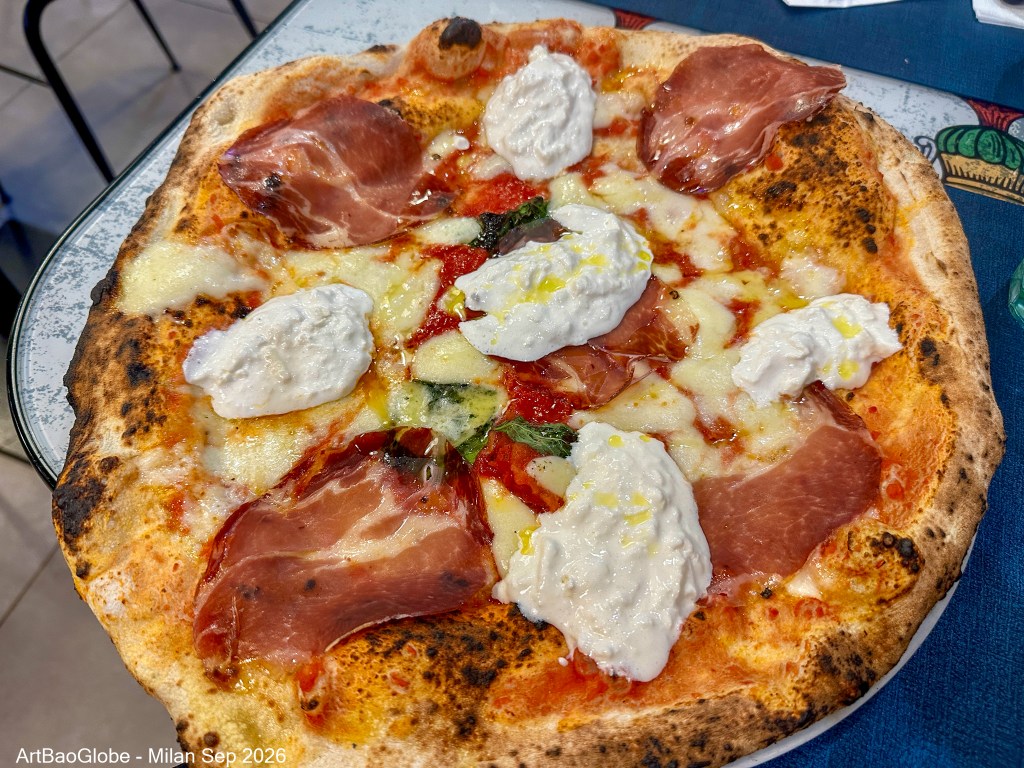
Delicious Pasta
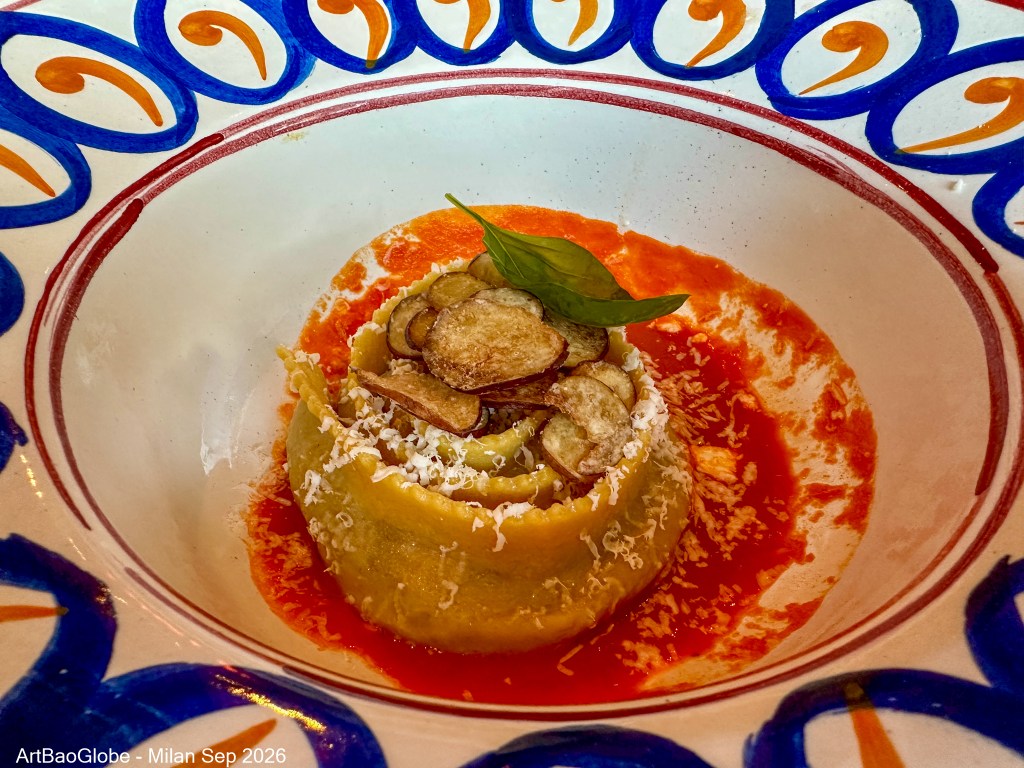
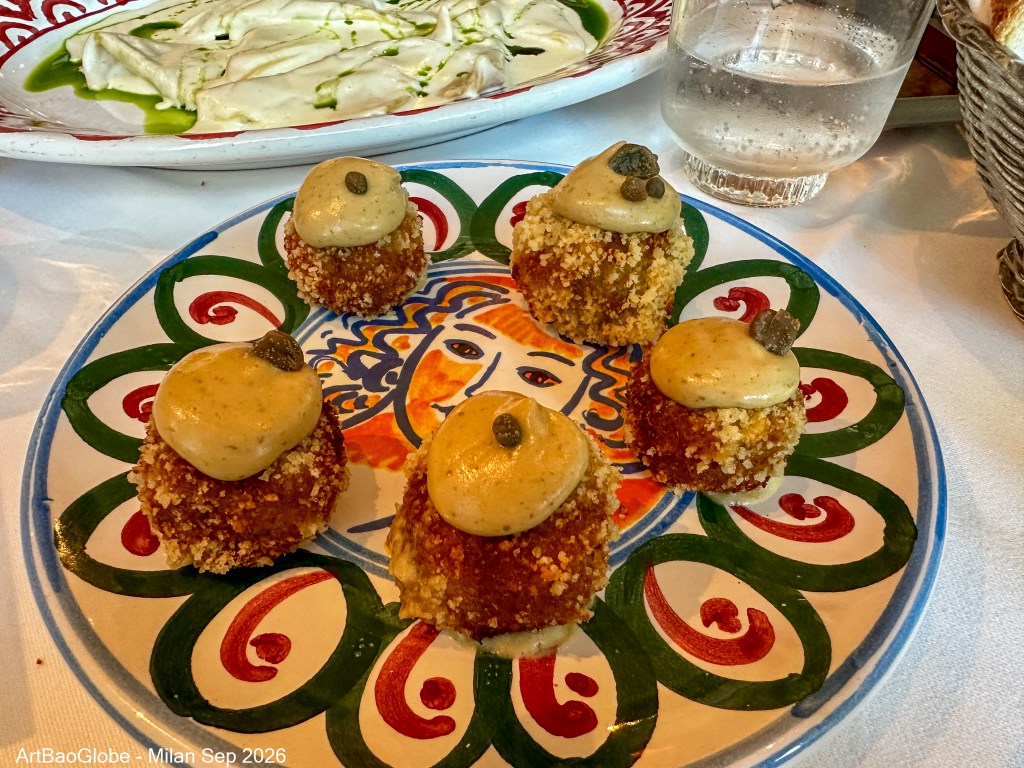
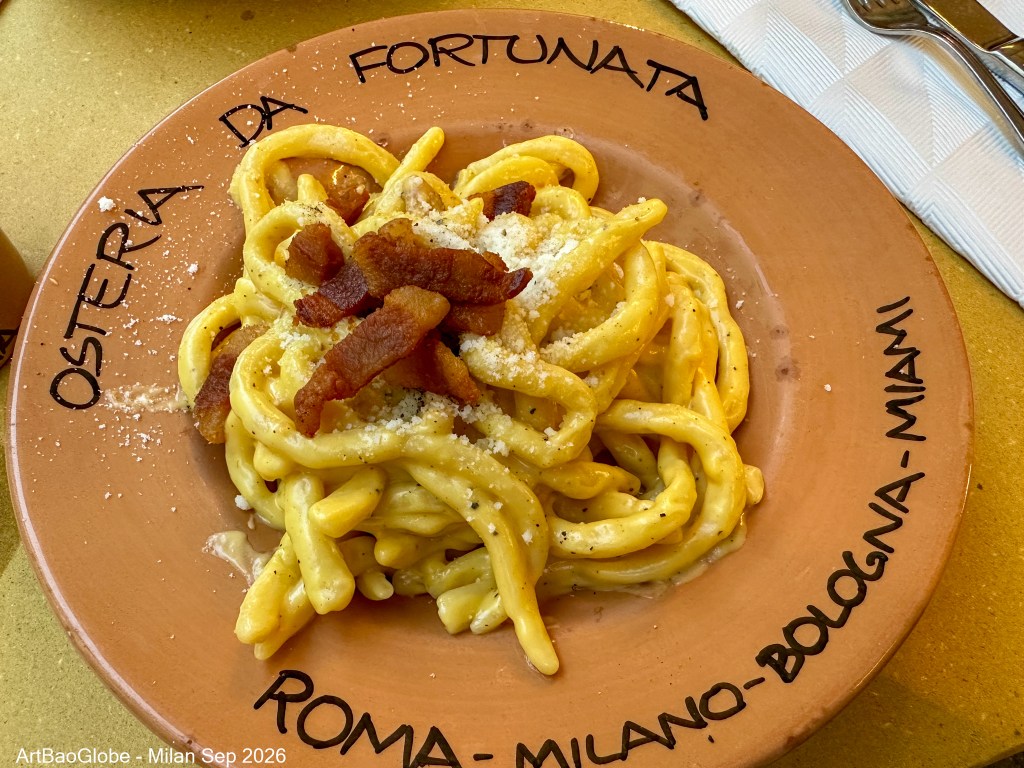
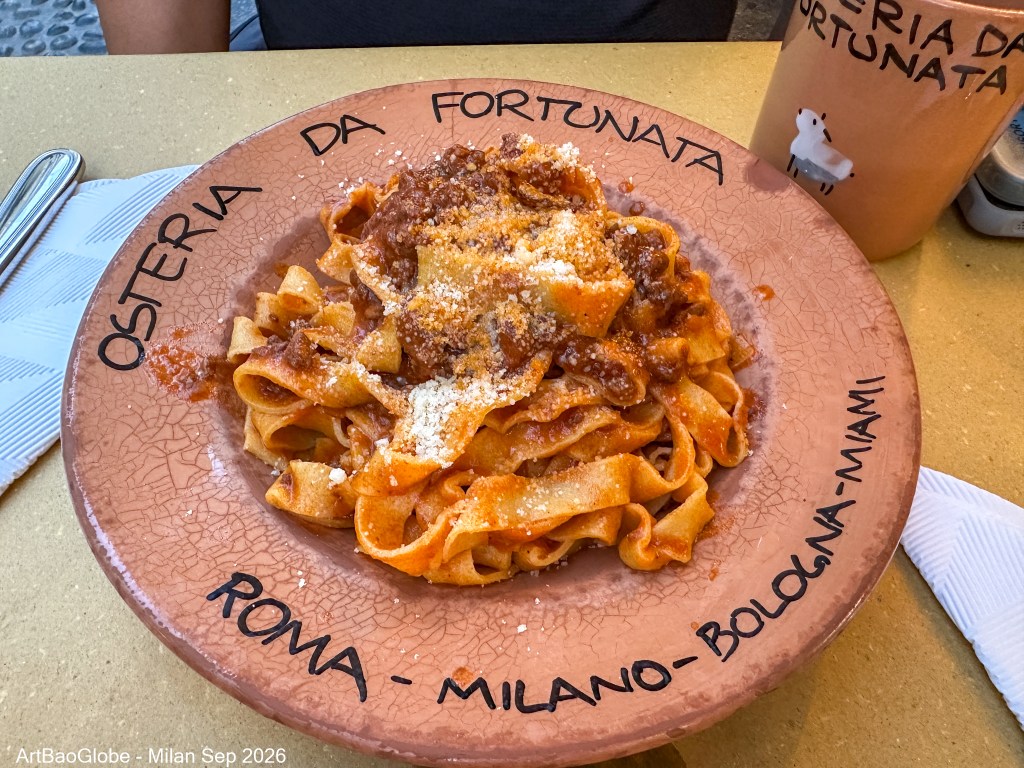
Yummy delicious local food at local neighborhood
Overnight @ NYX Hotel Milan by Leonardo Hotels
Comfortable modern hotel with nice breakfast. Located very near to Milan central train station.

