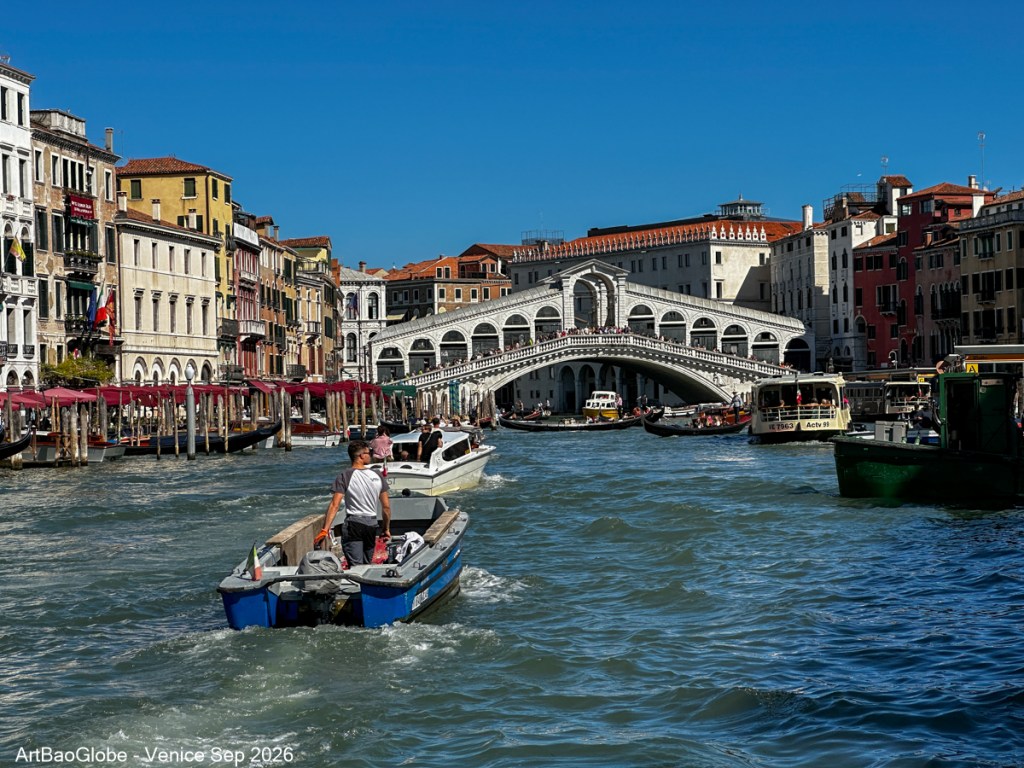
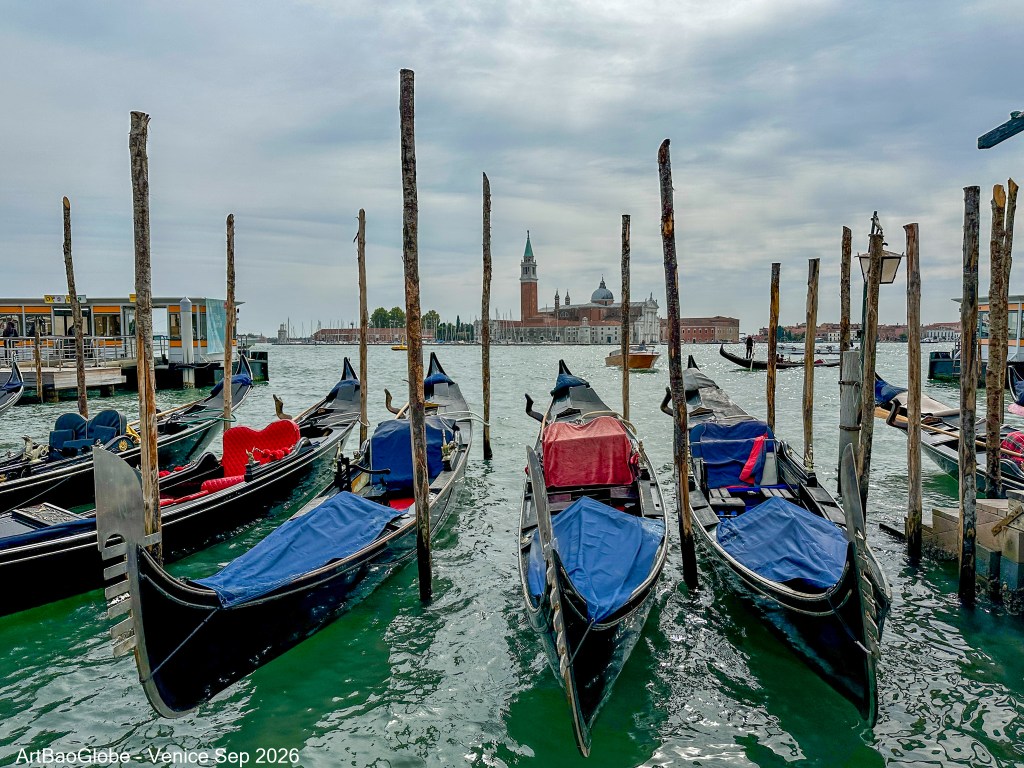
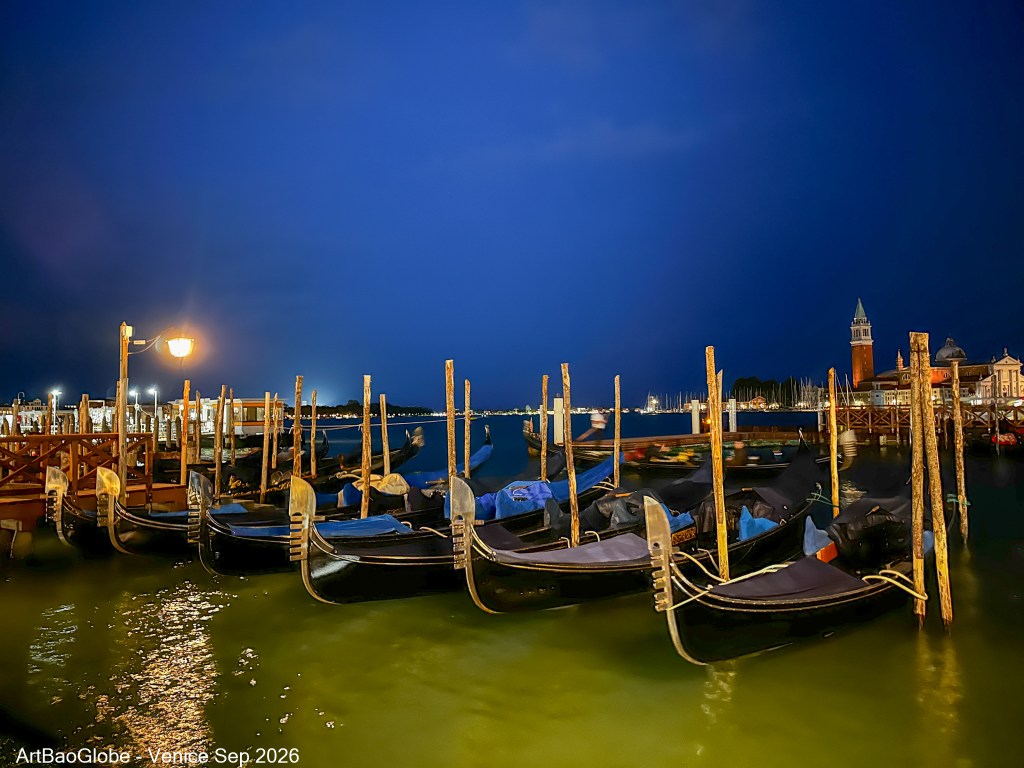
After spending several days surrounded by the majestic mountains of the Dolomites, we continued our journey to Venice, driving from Cortina d’Ampezzo and arriving around midday. What a contrast! From endless mountain landscapes to a city built on water, Venice welcomed us with its unique charm and romantic atmosphere.
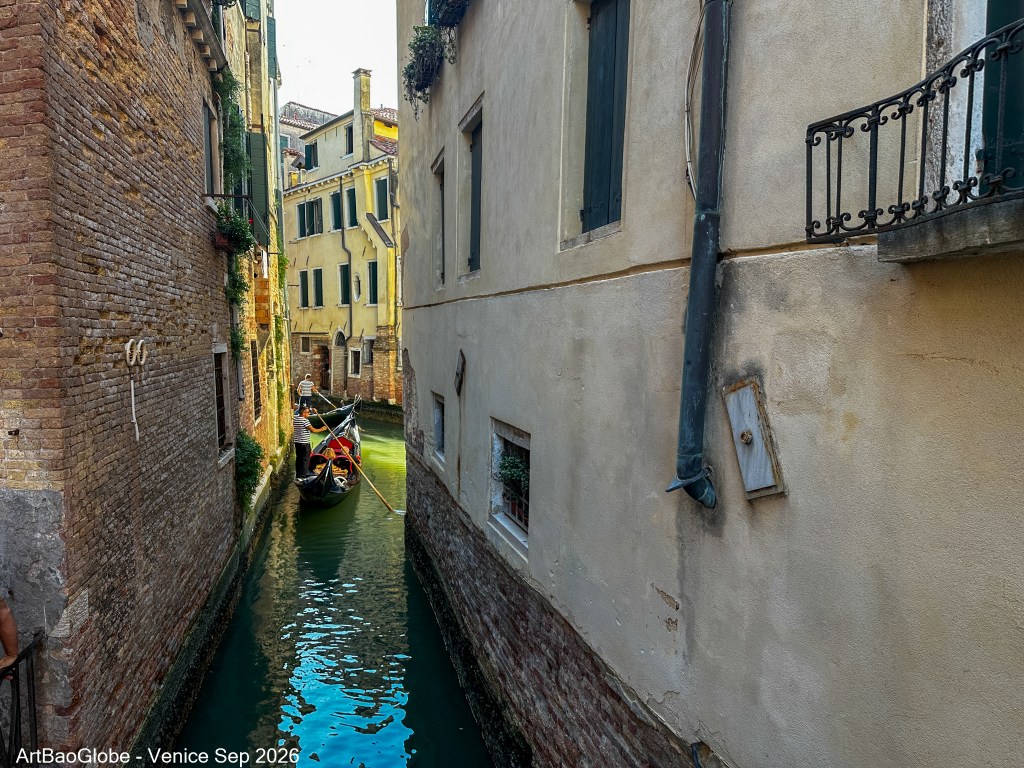
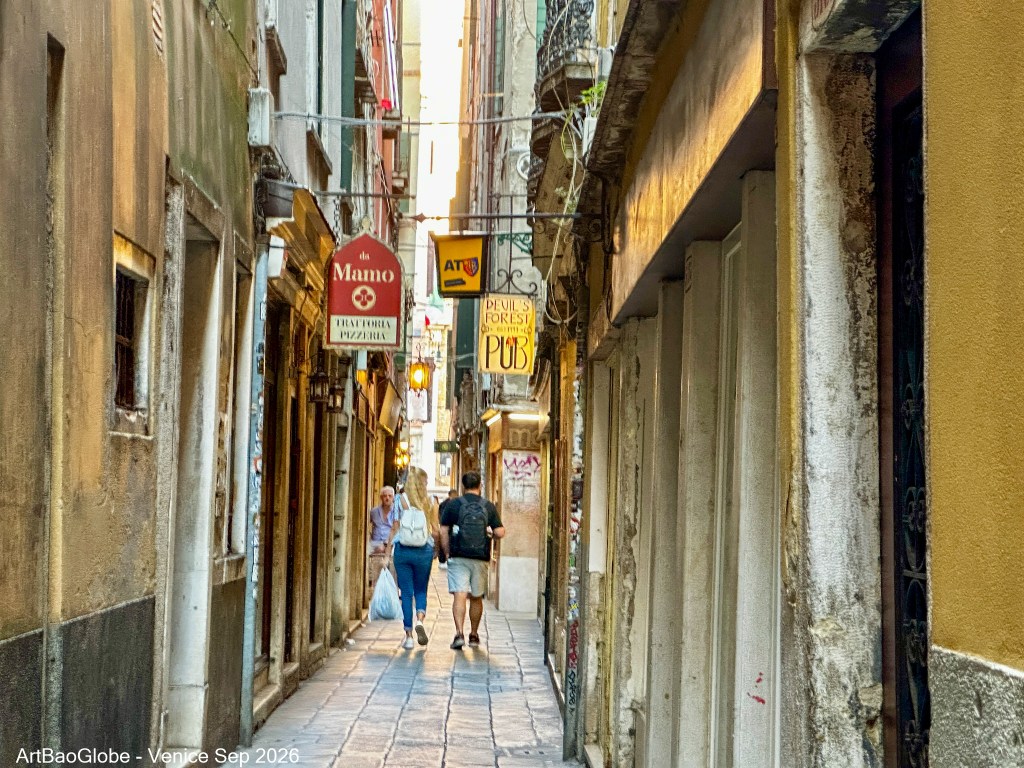
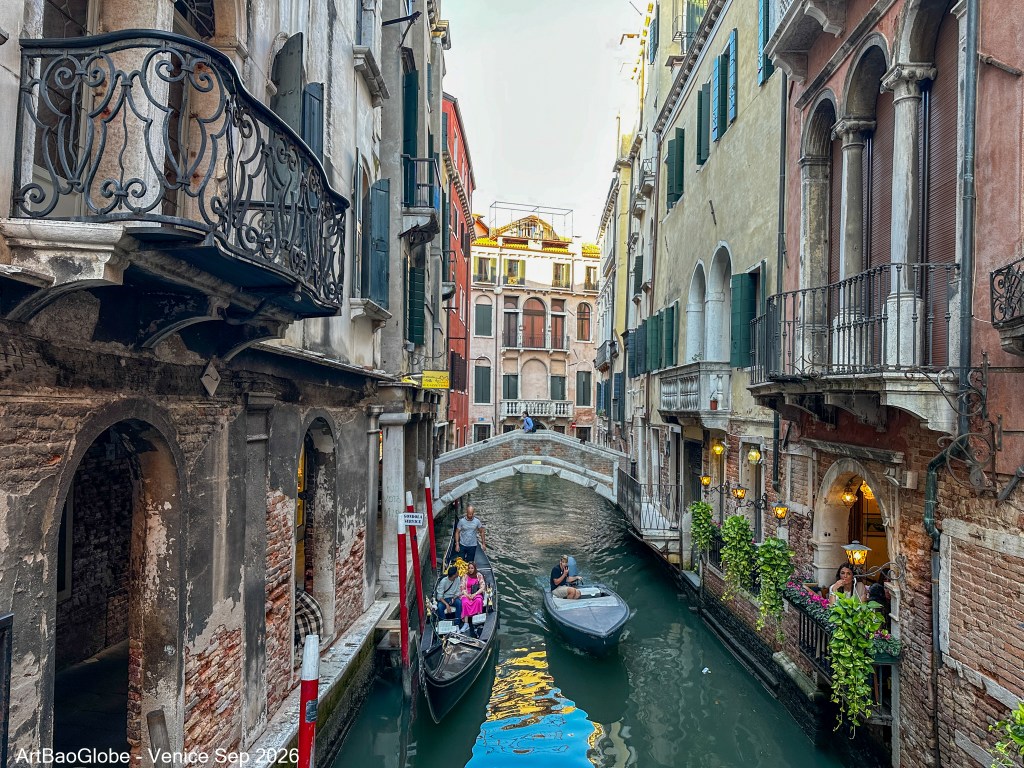
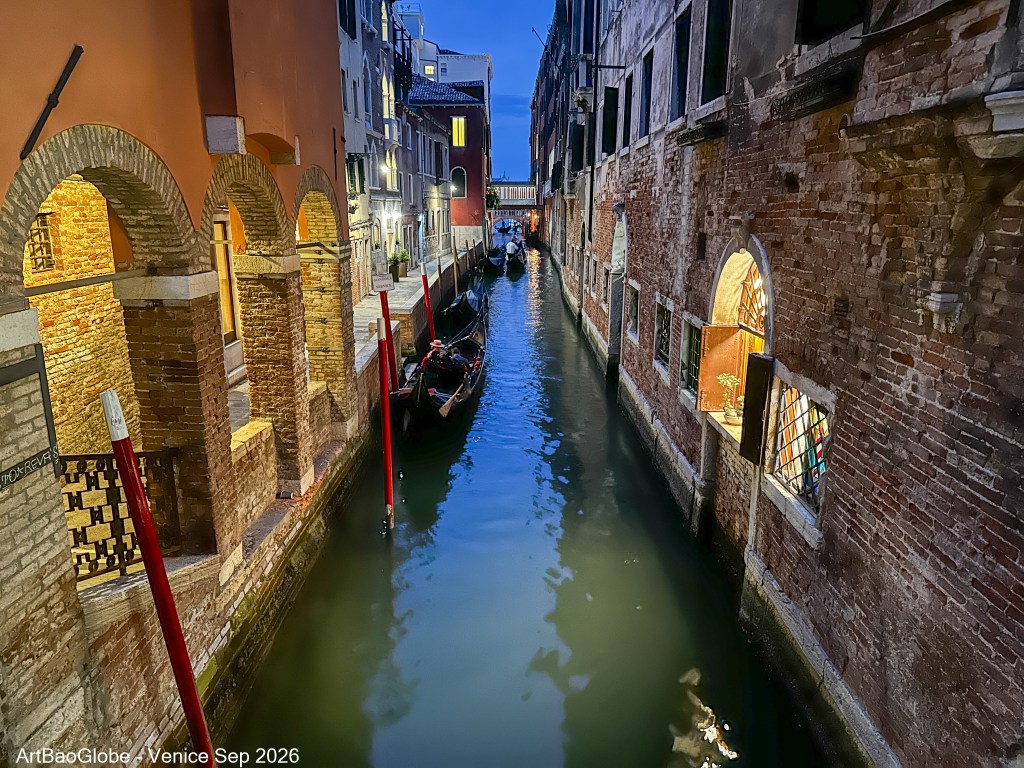
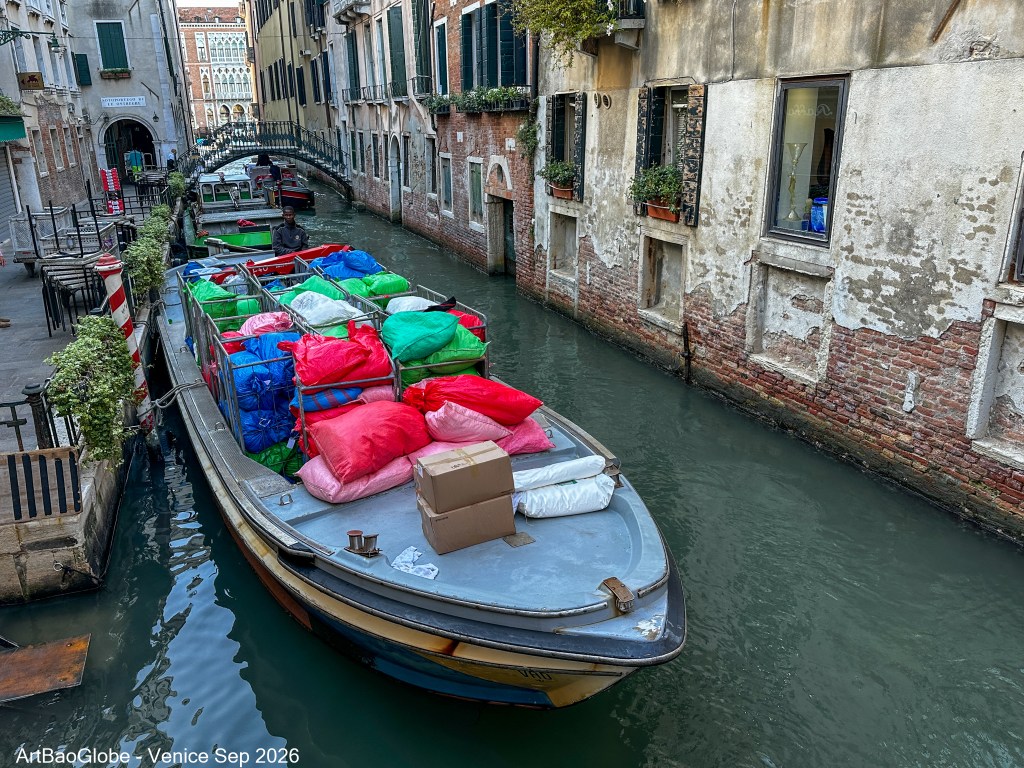
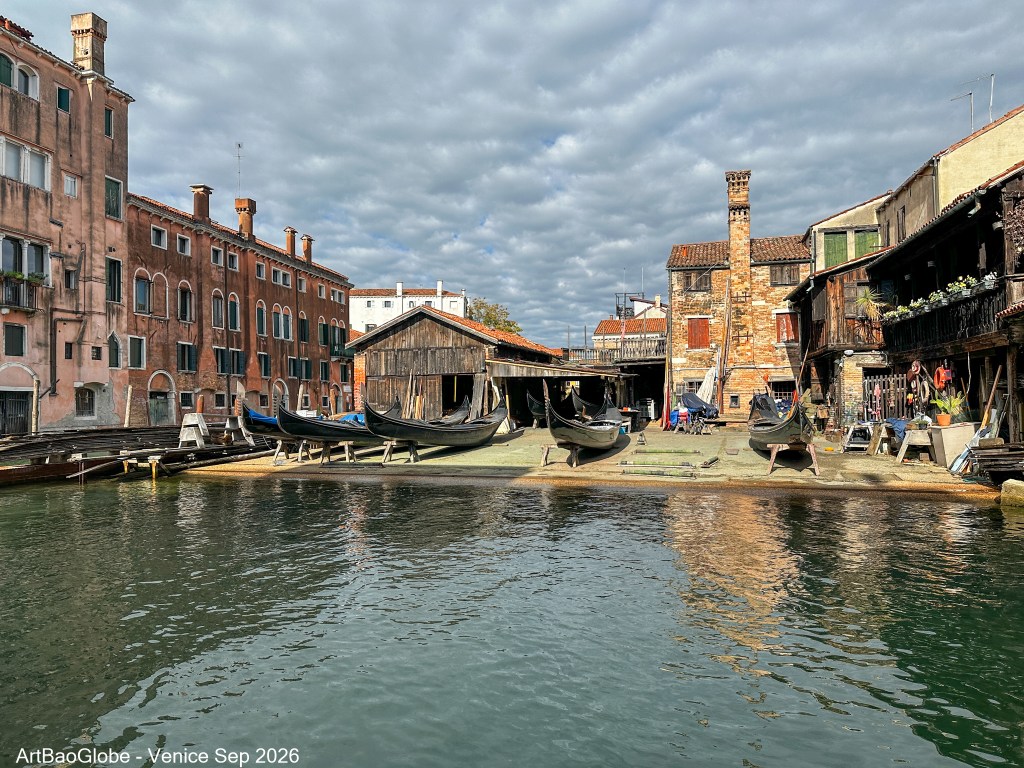
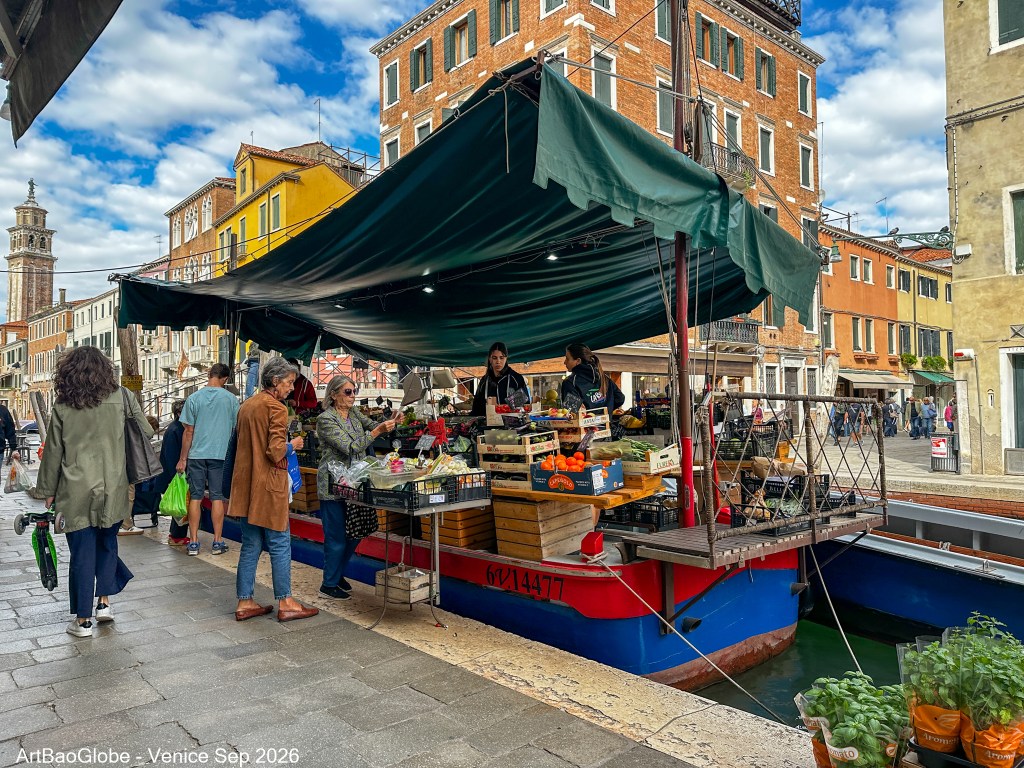
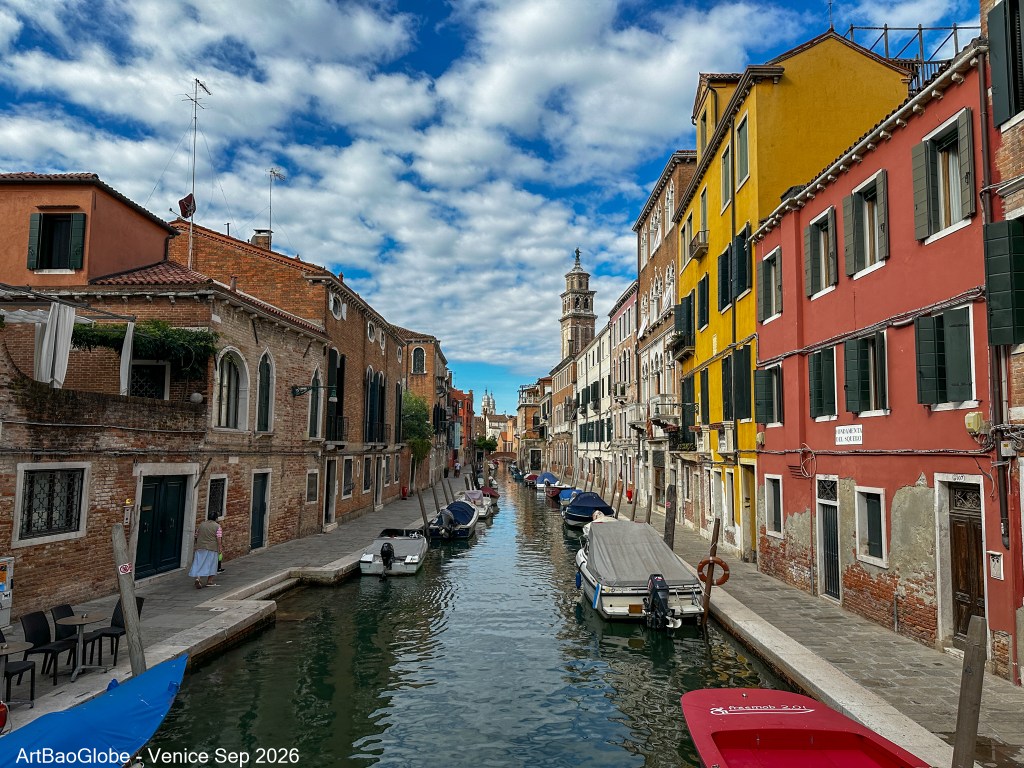
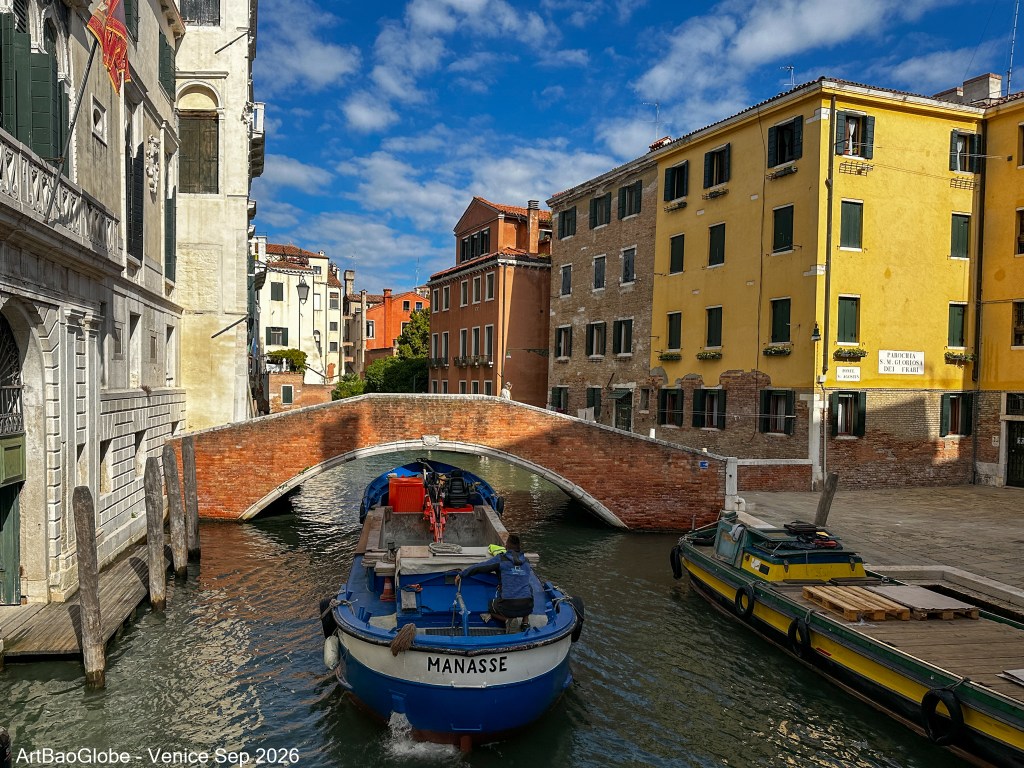
Venice is a car-free city, pre-booked our parking at Garage San Marco before arriving. We would be staying for three nights, giving us plenty of time to explore the city without rushing through its attractions. We dedicated one day to explore iconic landmarks, including the magnificent St Mark Basilica, its towering bell tower and the grand Doge Palace. These architectural treasures offer a glimpse into Venice glorious past, when it was once a powerful maritime republic. Pre-booking tickets was definitely worthwhile, helping us avoid long queues and making our sightseeing day much smoother. Another day was reserved for simply wandering around Venice, and this turned out to be one of the most enjoyable parts of our stay. The best things to do in Venice is to put away the map and explore its maze of narrow lanes, little bridges and hidden corners. You never quite know what you might discover around the next turn. Along the way, we came across charming little shops selling unique handmade crafts, beautiful glass creations and artistic souvenirs.
Venice is a city best enjoyed at a slower pace. Beyond its famous landmarks, it is the little discoveries, charming alleyways, beautiful canals and unexpected moments that make the experience so memorable. Sometimes, getting lost is the best way to discover the true charm of this magical floating city.
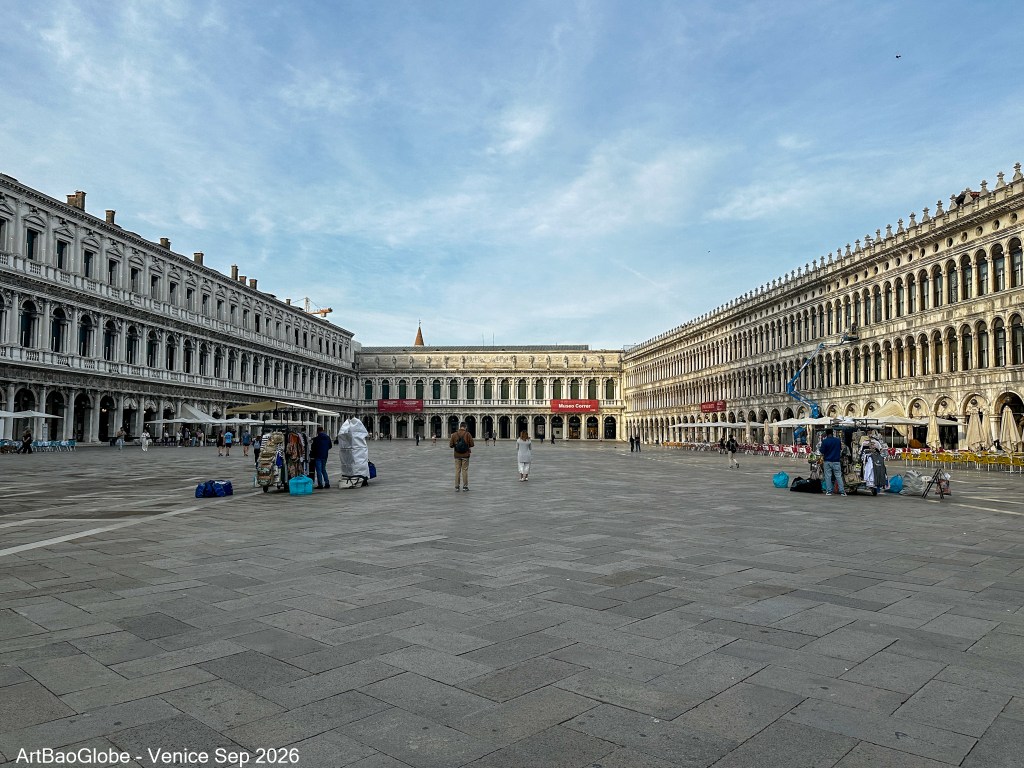
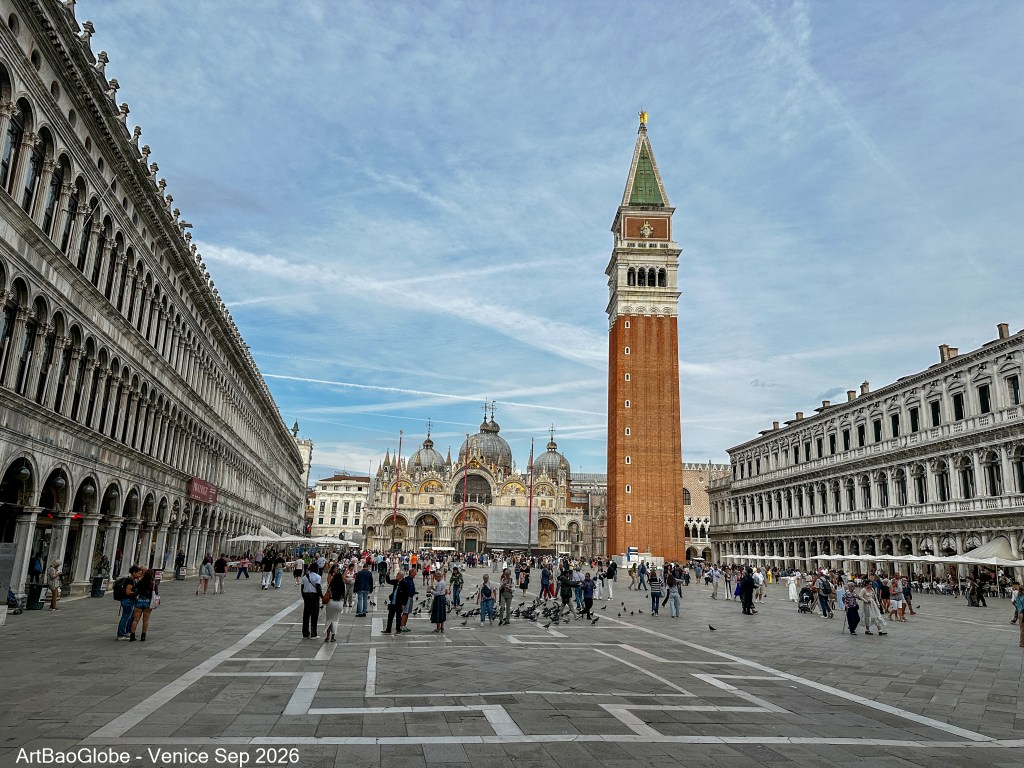
Torre dell’Orologio : The Clock Tower
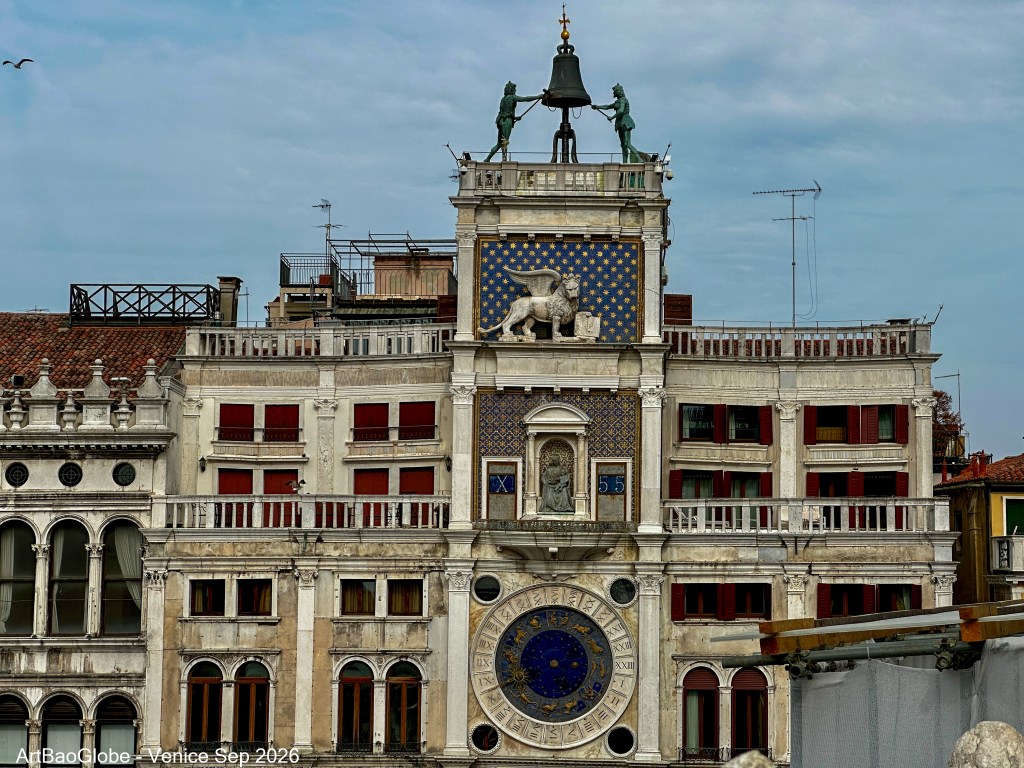
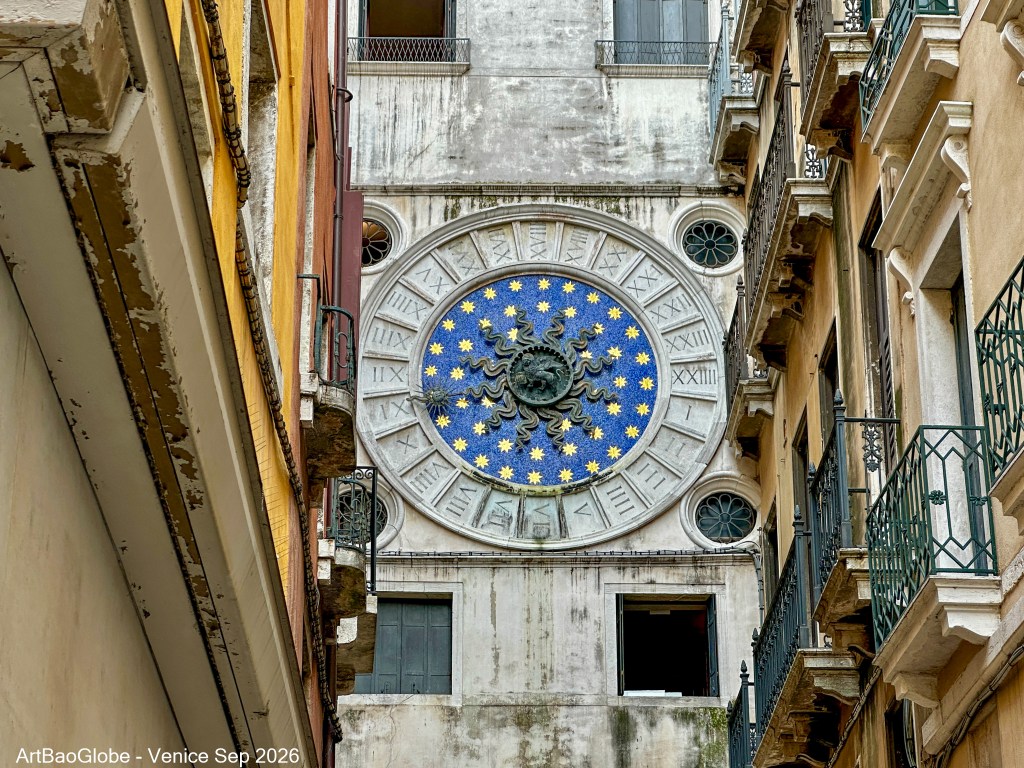
Standing prominently at St Mark Square, Torre dell’Orologio is a beautiful Renaissance clock tower dating back to 1496. Beyond its impressive architecture, the clock is fascinating for its intricate astronomical display, showing the time, zodiac signs and phases of the moon.
The clock has been keeping time for Venice for more than 500 years, with its remarkable mechanism continuing to captivate visitors. Every hour, two bronze figures known as the Moors strike the great bell with their oversized hammers. The clock also features a distinctive rotating display, with its minute markers changing at five-minute intervals.
It is more than just a timepiece. It is a remarkable blend of art, astronomy, engineering and history.
Campanile di San Marco : St Mark Bell Tower
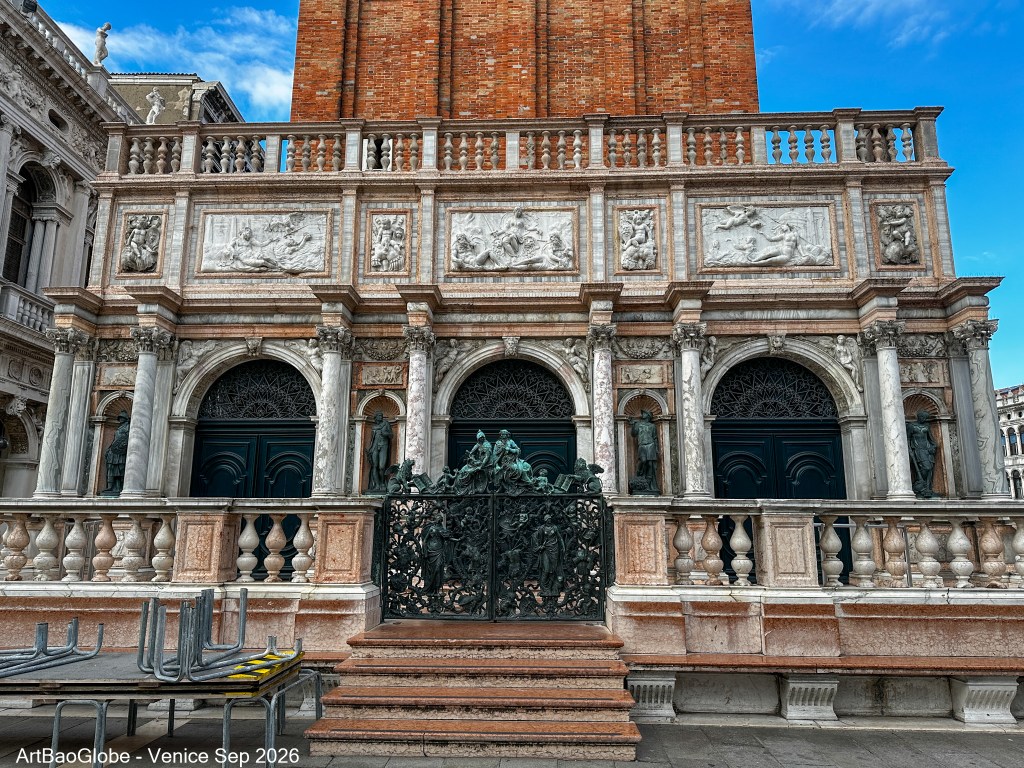
The iconic Bell Tower is one of most recognizable landmarks. Unlike many historic towers, reaching the top is surprisingly easy, thanks to the elevator ride that takes visitors straight up to the viewing platform.
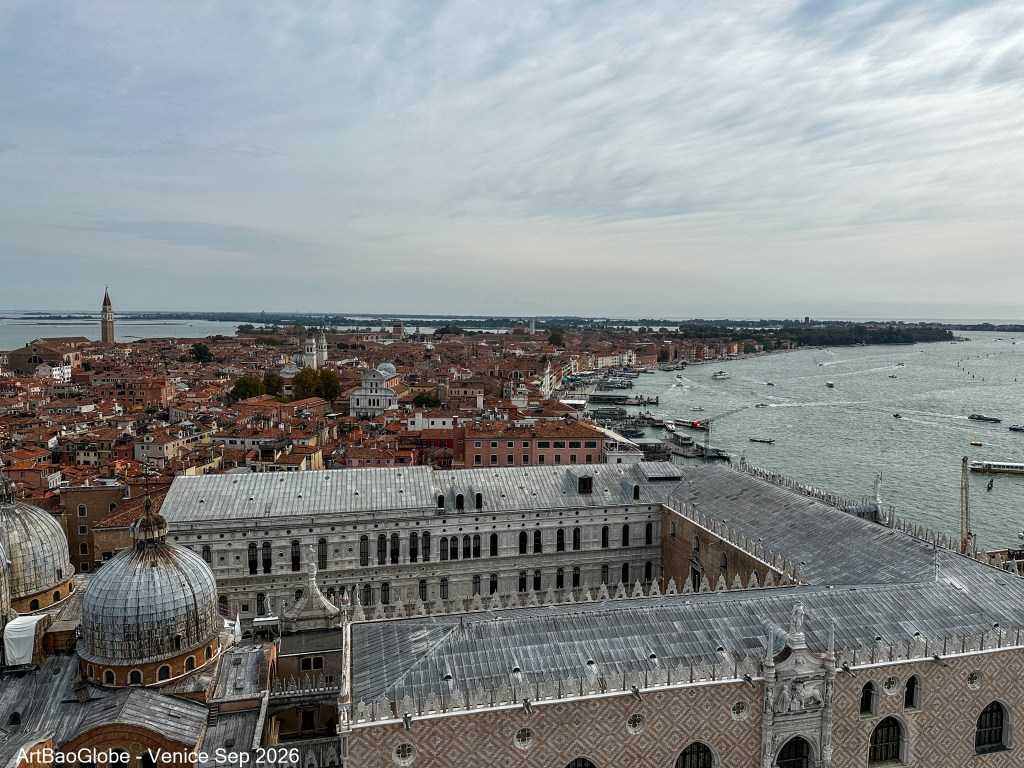
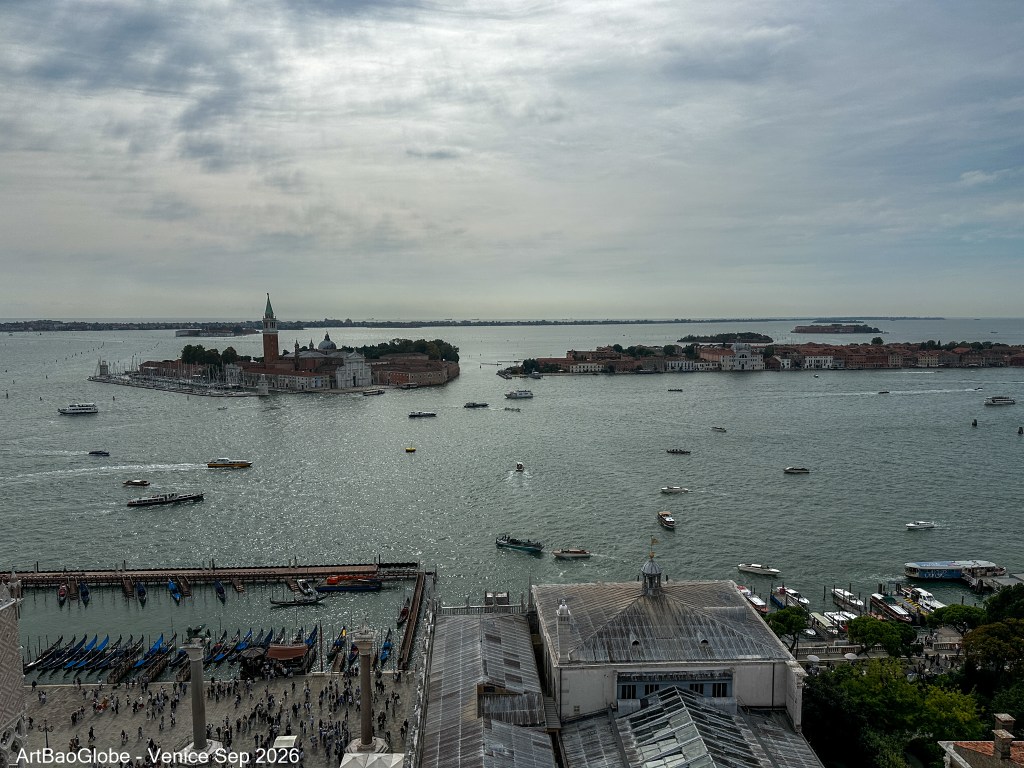
Once at the top, you are rewarded with spectacular panoramic views across Venice in every direction. Admire the beautiful red rooftops, winding canals, surrounding islands and the vast Venetian Lagoon stretching into the distance. It is a wonderful spot to appreciate the unique layout and beauty of this floating city from above.
For an even more memorable experience, try timing your visit around the bell-ringing schedule. Hearing the historic bells ring while standing high above Venice is quite an experience! Do check the official website for the latest opening hours and bell-ringing times before your visit.
Basilica di San Marco : St Mark Basilica
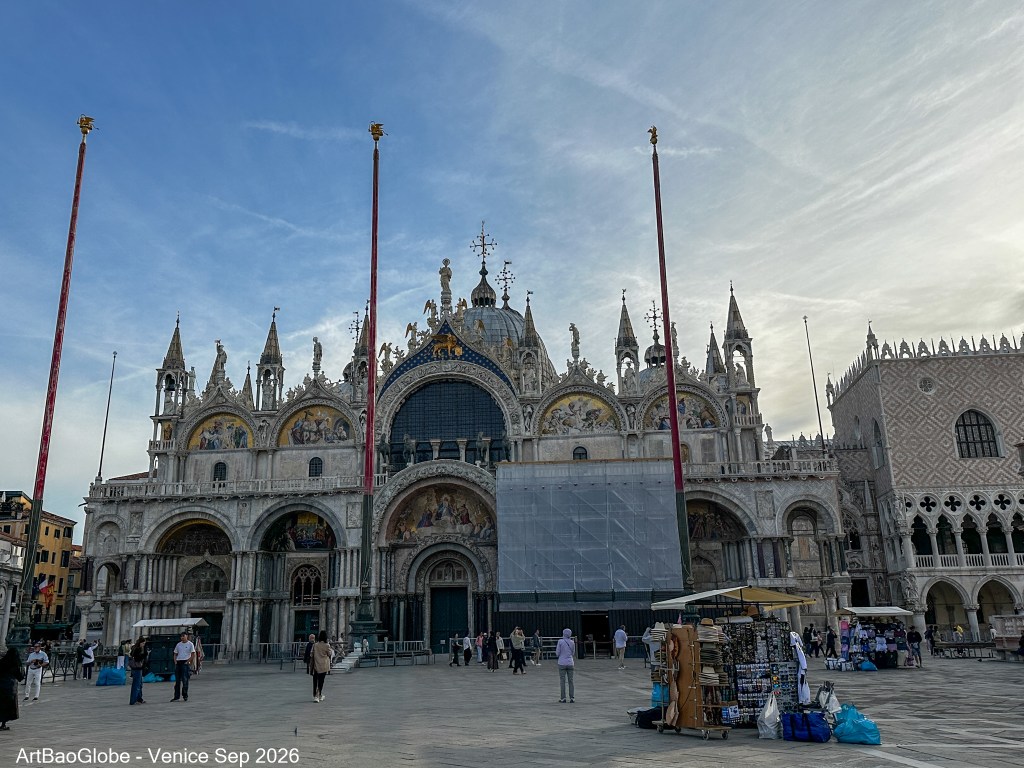
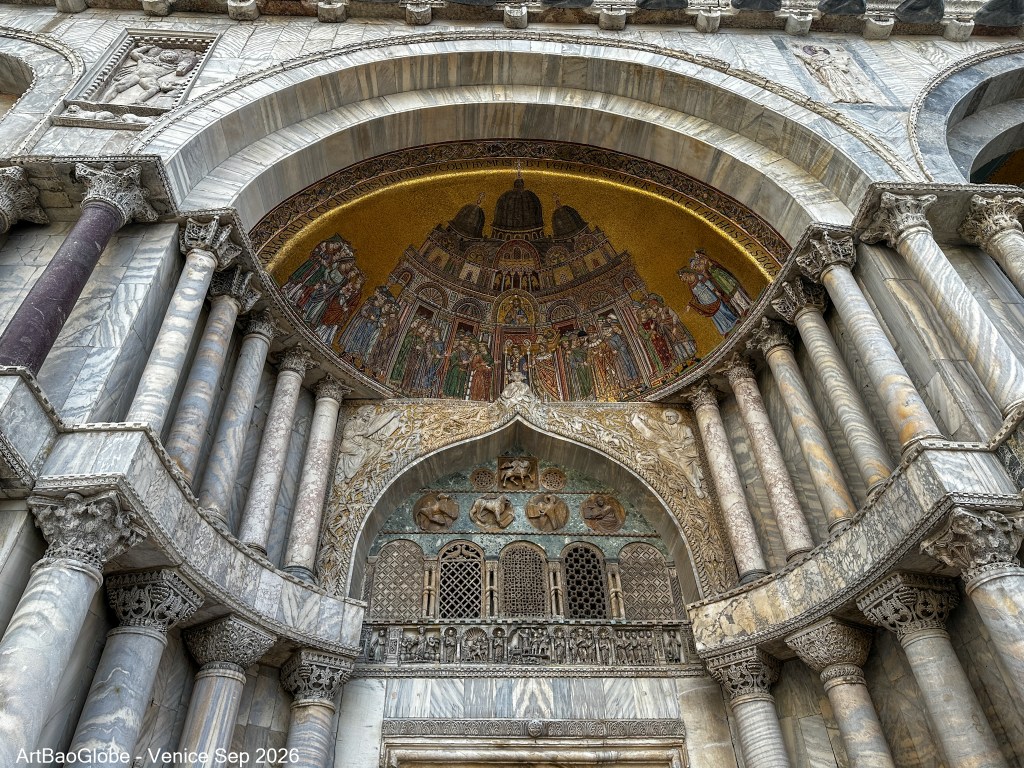
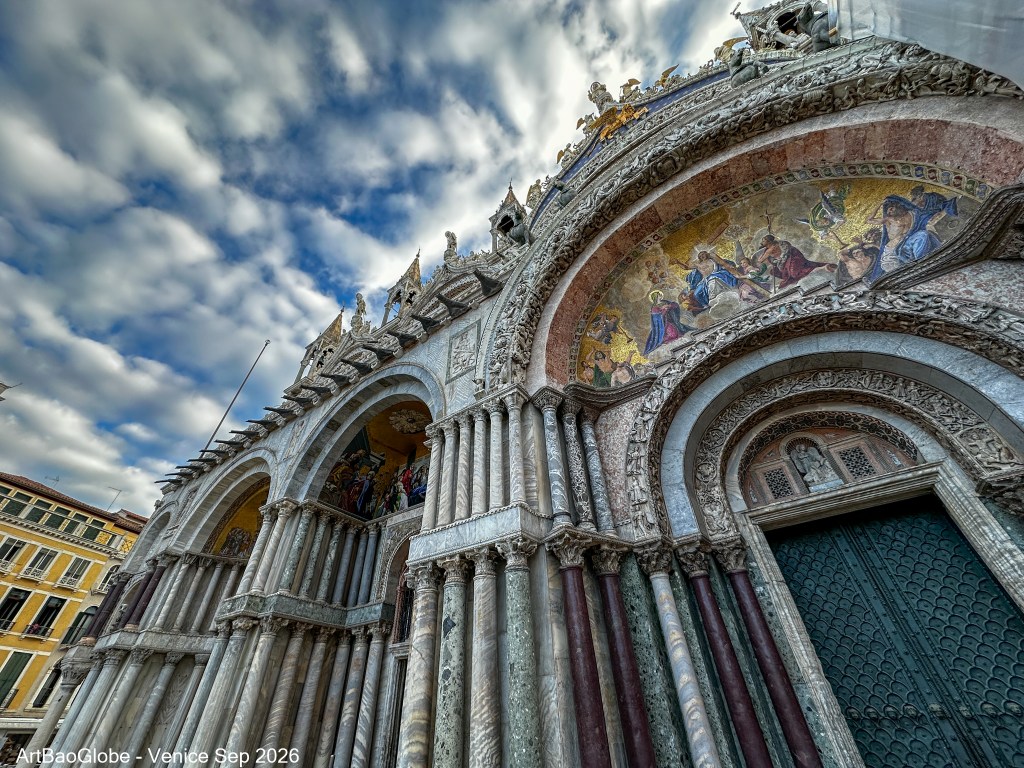
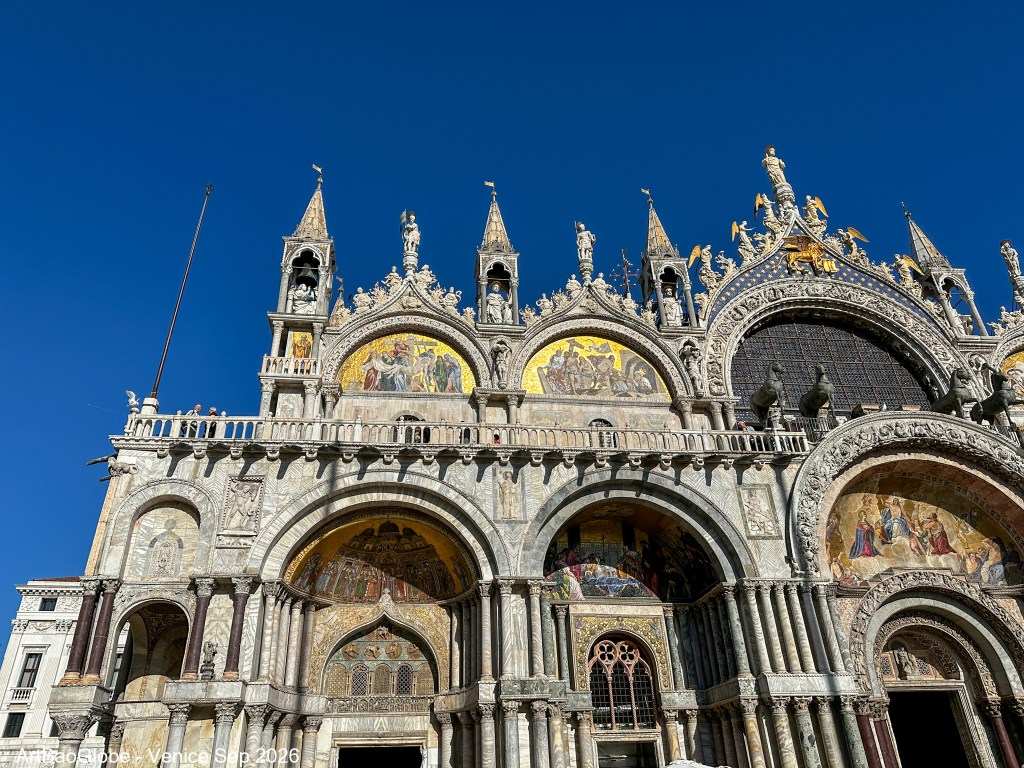
Dating back to the 11th century, Saint Mark Basilica is one of Venice most magnificent architectural treasures. Unlike many traditional churches, its distinctive Byzantine-inspired architecture features multiple domes, elaborate columns, sculptures and intricate decorative details.
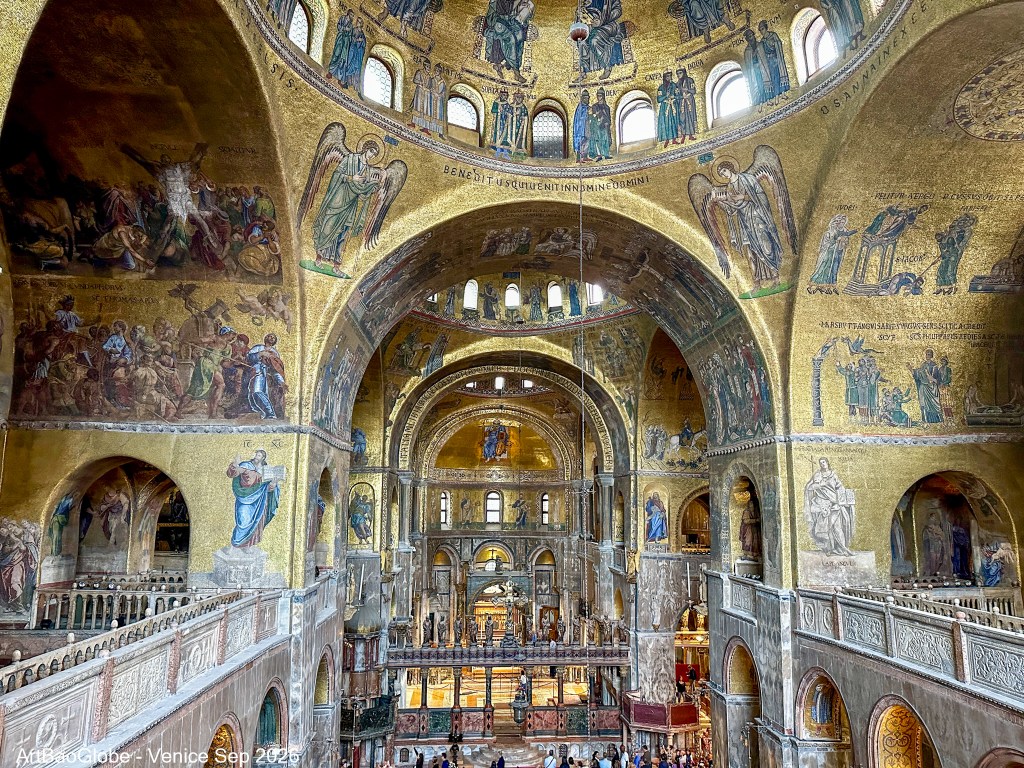
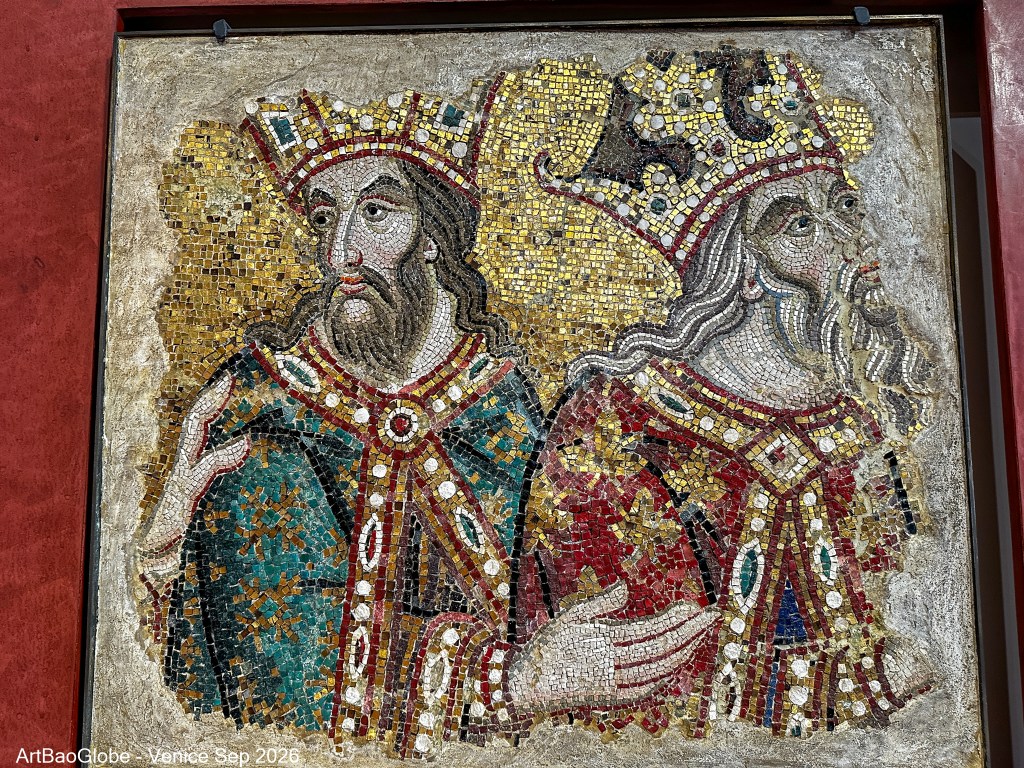
Step inside and you will be greeted by a breathtaking display of golden mosaics that seem to make the entire interior glow. Covering the ceilings and upper walls, these intricate Byzantine-style mosaics depict biblical stories and religious scenes. The colourful marble decorations and beautifully patterned mosaic floors add to the grandeur, creating an almost magical atmosphere wherever you look.
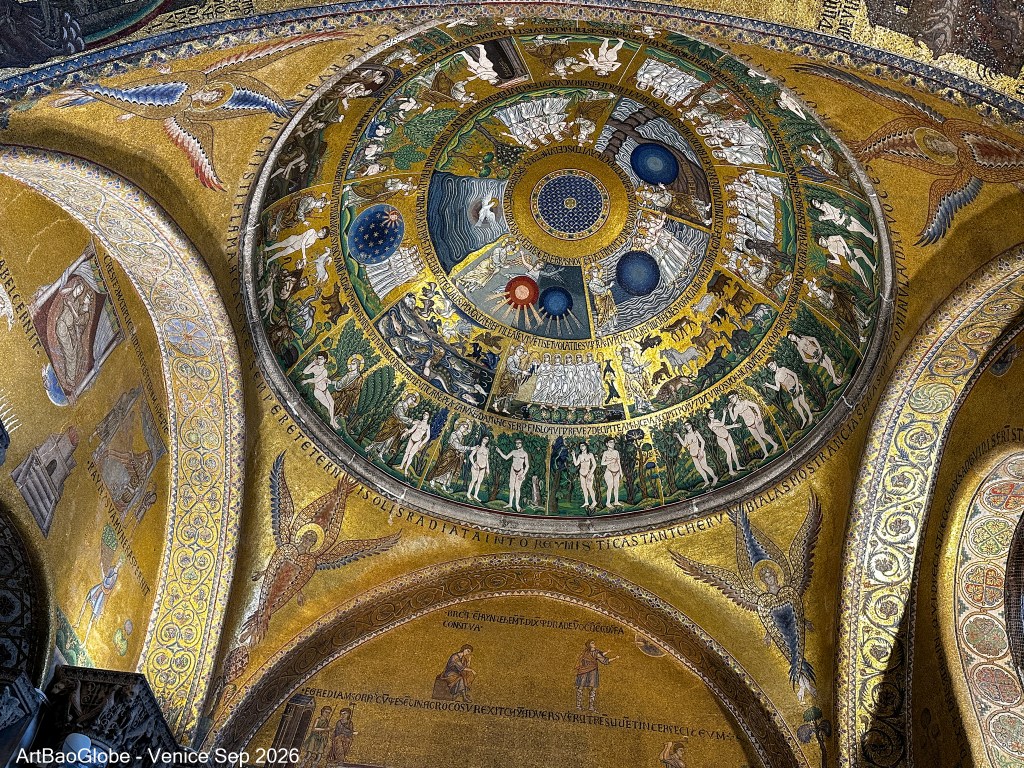
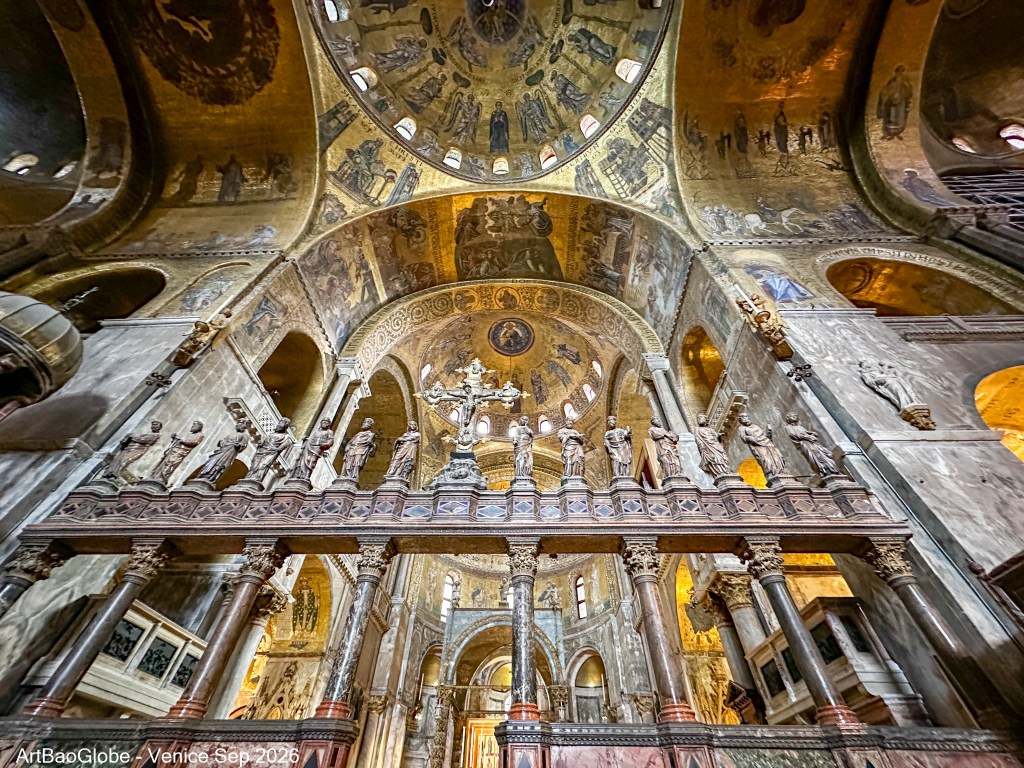
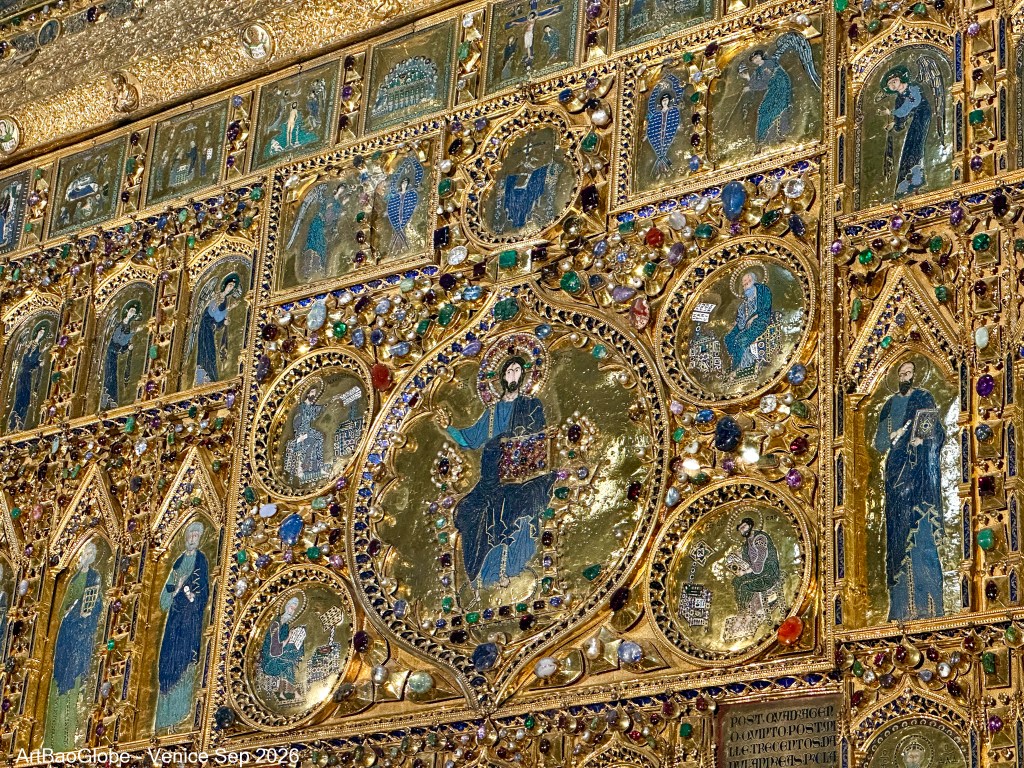
One of the most treasured highlights is the Pala d’Oro, the magnificent golden altarpiece located behind the main altar, where the relics of St Mark are kept. Measuring approximately 3.3m by 2.1m, this extraordinary masterpiece is crafted from gold and silver, adorned with 187 enamel plaques and nearly 2,000 precious gems. Its intricate craftsmanship and dazzling details make it a true treasure of Byzantine art.
Do not end your visit at the main church level. Head upstairs to the museum, where you can enjoy a closer look at the basilica artistic treasures and mosaic displays. The upper level also offers a wonderful overview of the church magnificent interior, allowing you to appreciate the golden mosaics and architectural details from a different perspective.
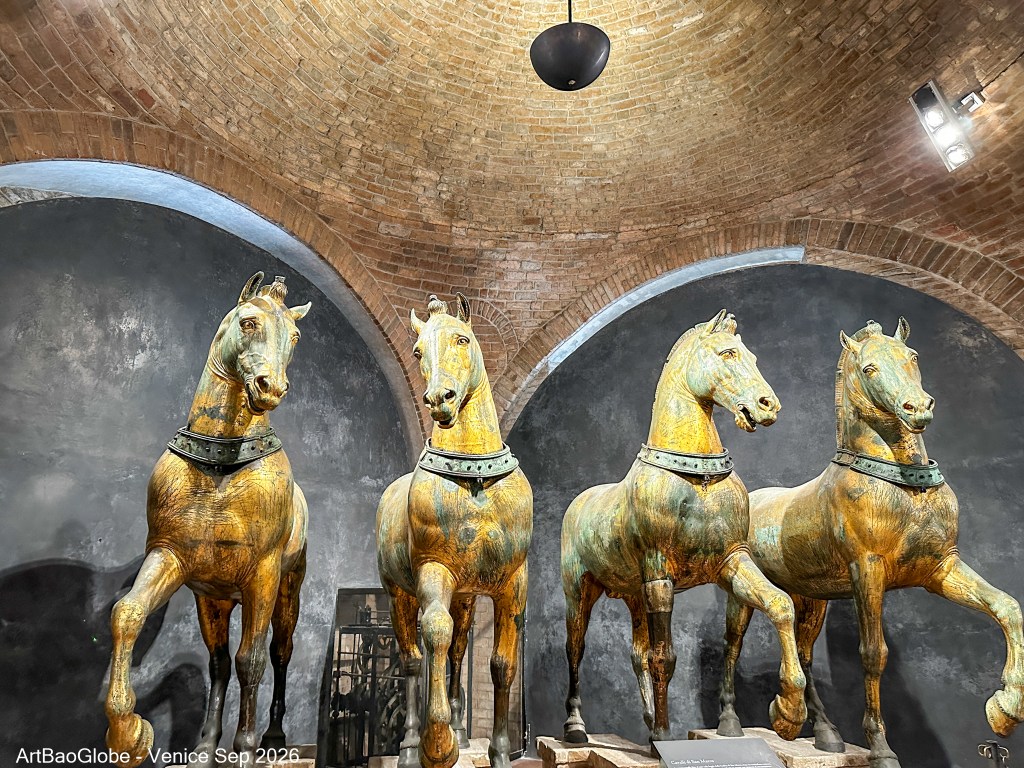
One of the highlights upstairs is stepping out onto the balcony overlooking St Mark Square. From here, you can admire the lively square, get a closer look at the famous bronze horses and enjoy a beautiful view of the Clock Tower across the piazza. The original ancient bronze horses, however, are preserved inside the museum to protect them from further weathering, while replicas stand on the balcony today.
St Mark Basilica is truly a feast for the eyes, where art, history, architecture and religious heritage come together. The sheer amount of detail, especially the shimmering golden mosaics, makes this a place worth taking your time to explore.
Palazzo Ducale : Doge Palace
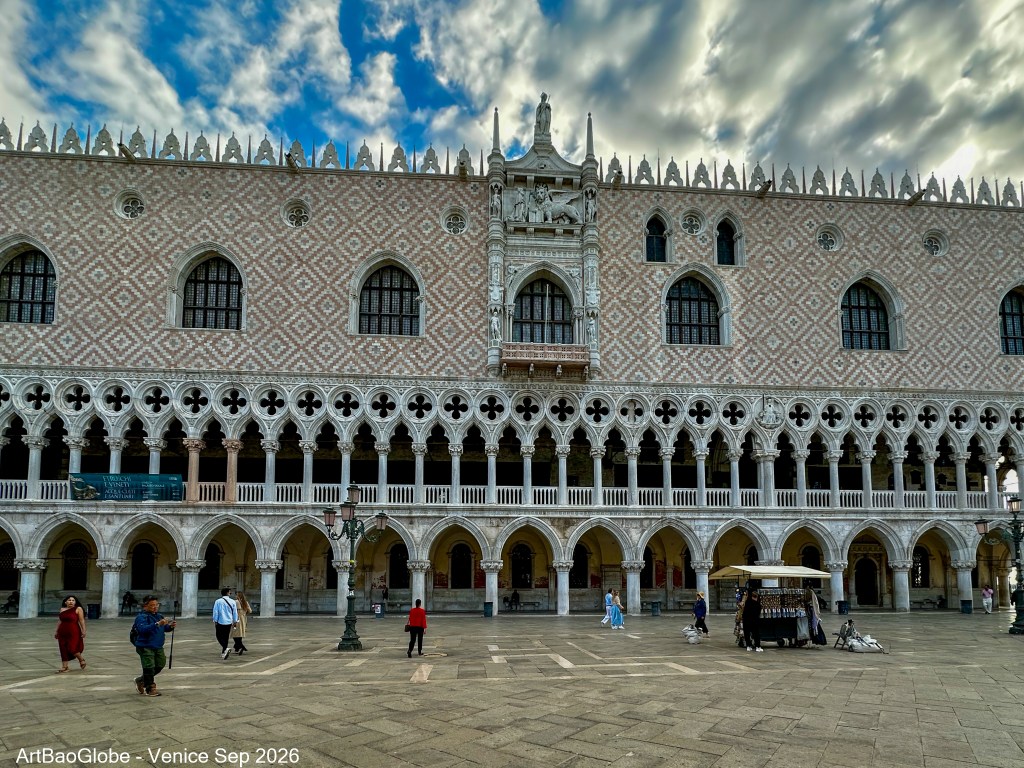
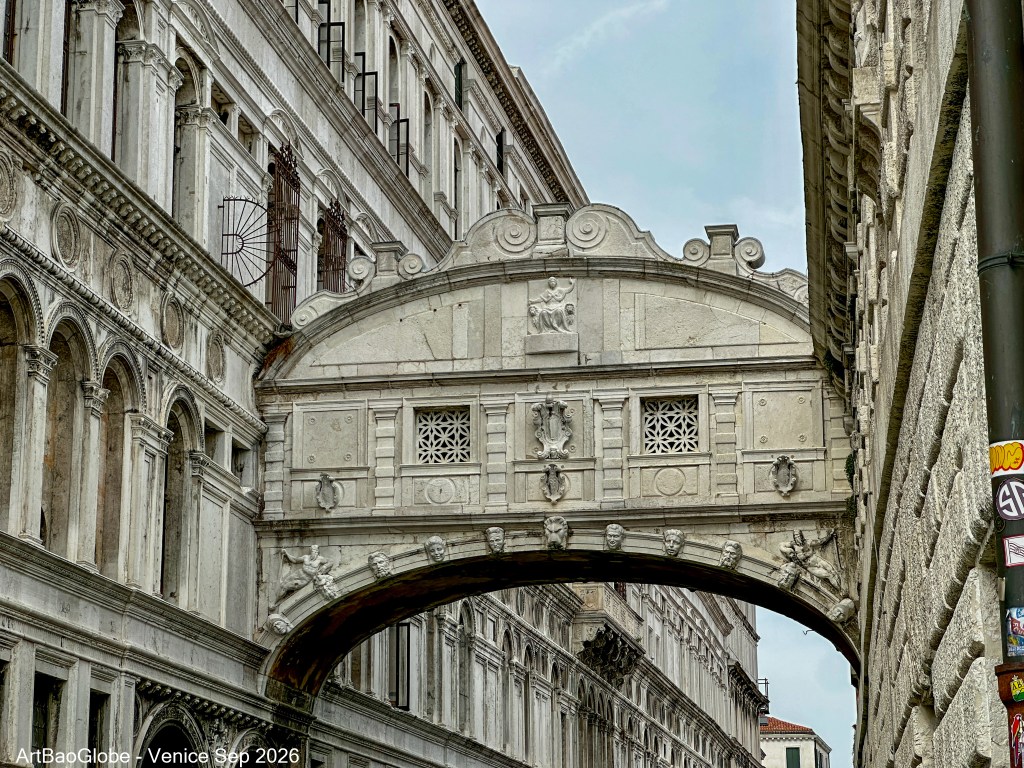
The Doge Palace is instantly recognizable by its beautiful pale-pink and white façade. Built in the distinctive Venetian Gothic style, its architecture is a fascinating blend of Italian Gothic, Byzantine and Islamic influences, reflecting Venice rich history as a major trading and maritime power between East and West.
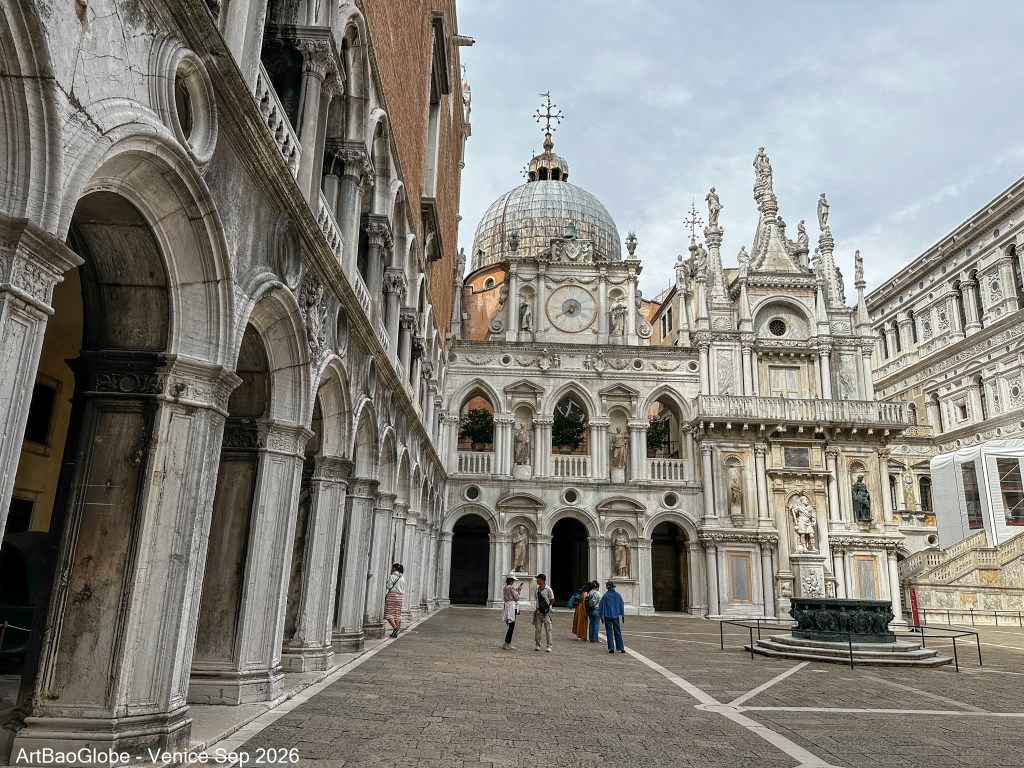
The palace once served as the residence and seat of government of the Doge, the elected ruler of the Venetian Republic. While its delicate Gothic exterior looks elegant and almost lace-like, stepping into the courtyard reveals a completely different atmosphere, with grand stone arches, imposing columns and impressive architectural details.
Inside, the palace is a showcase of Venetian wealth, power and artistic brilliance. The lavish interiors are filled with magnificent paintings, elaborate decorations and intricate artworks covering the walls and ceilings. Every hall seems to compete for attention with its grandeur and artistic details.
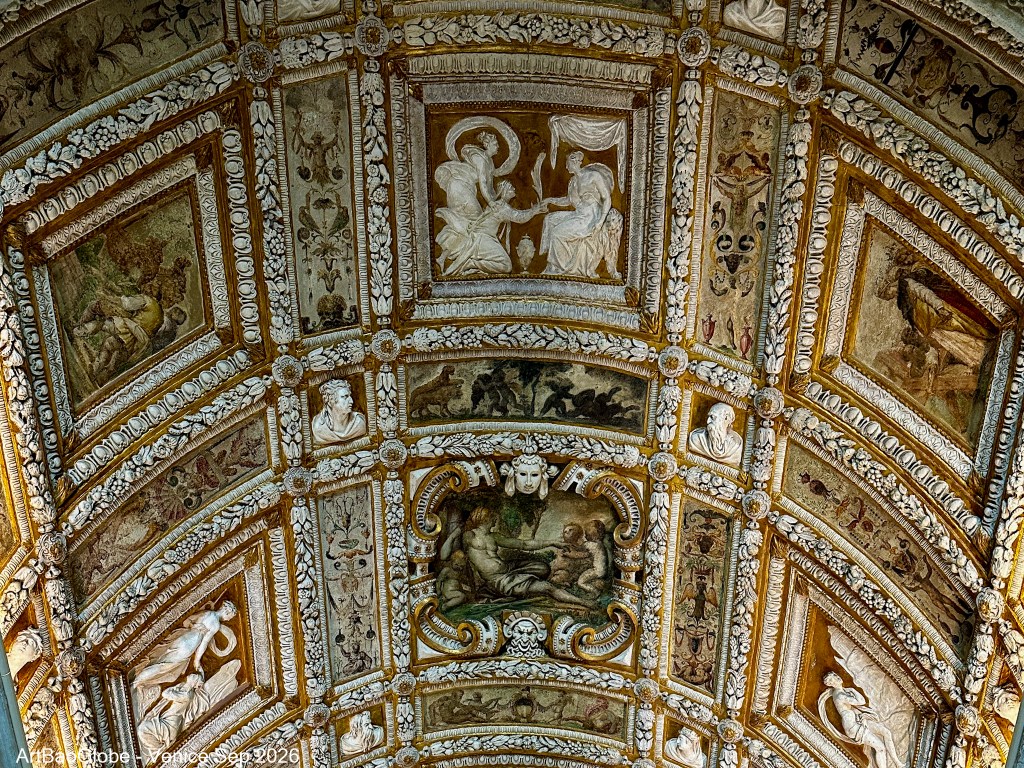
One of the highlights is the magnificent Golden Staircase (Scala d’Oro). Decorated with elegant white and gold stucco and elaborate Renaissance-style ornamentation, this grand staircase was designed to impress visitors entering the palace. It is a beautiful example of the opulence that once surrounded the Venetian ruling elite.
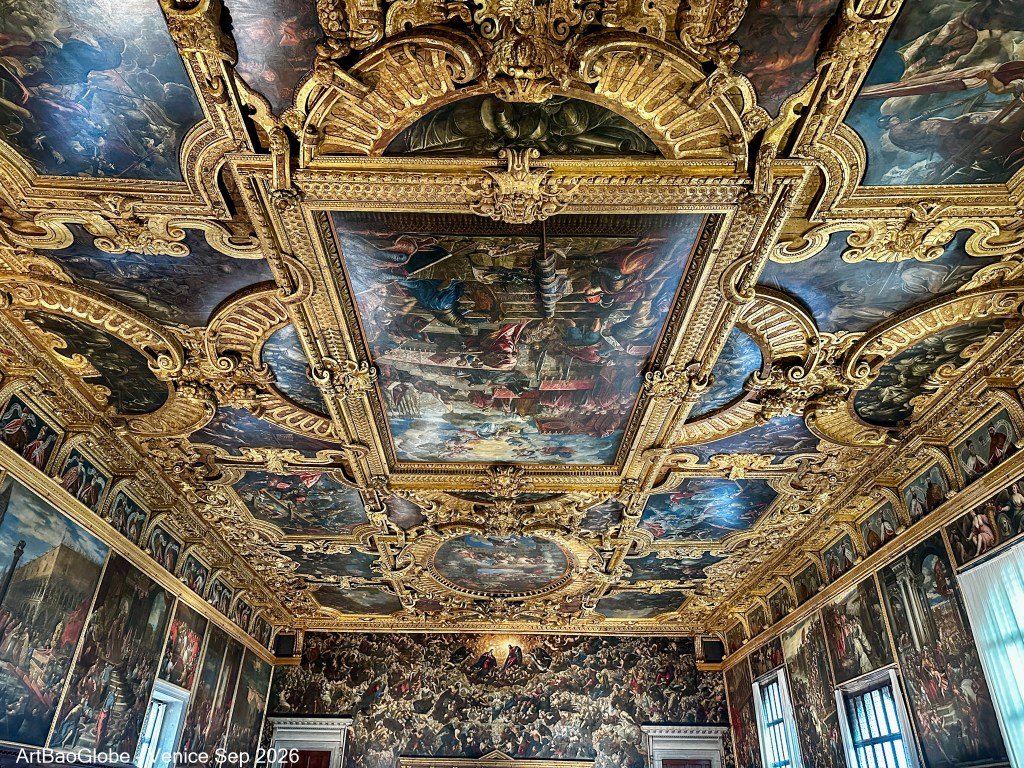
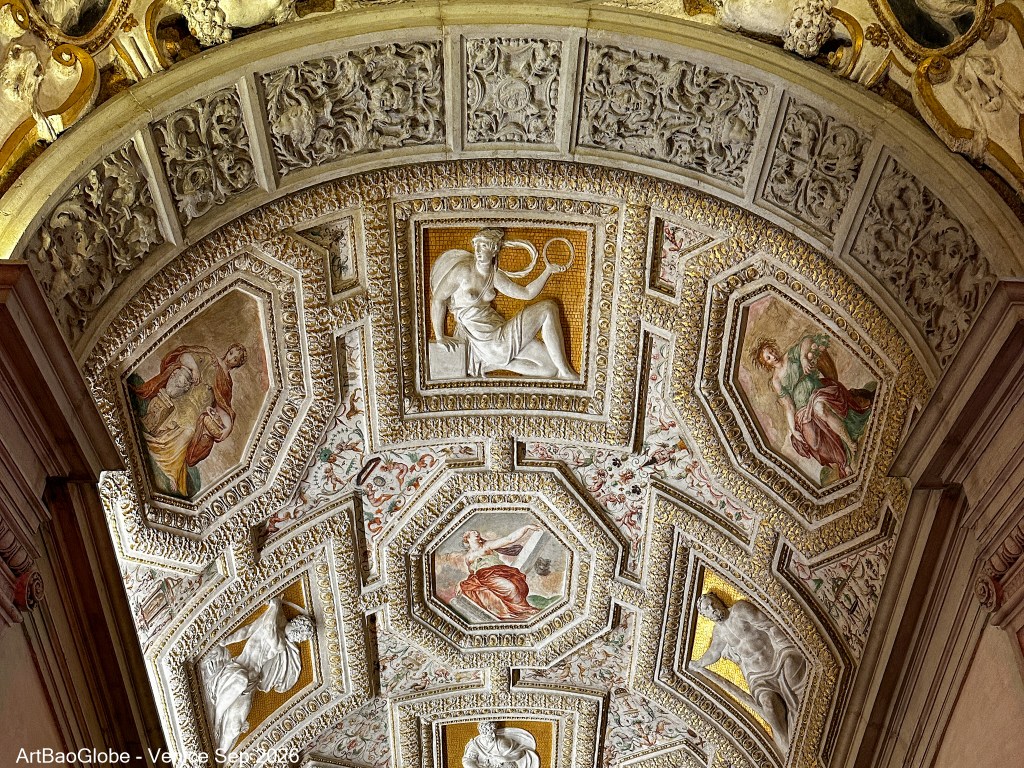
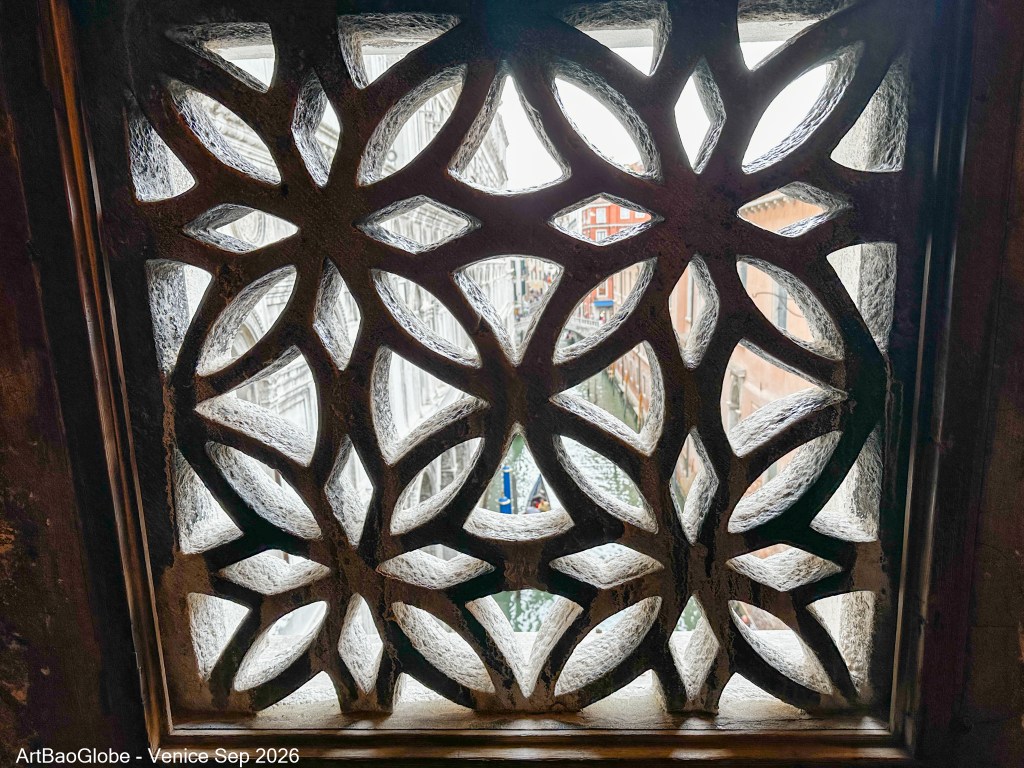
After exploring the grand halls and richly decorated chambers, the visit takes a rather dramatic turn. Cross the famous enclosed Bridge of Sighs, which connects the palace to the New Prison. According to tradition, prisoners would catch their final glimpse of the Venetian Lagoon and the outside world through the small stone-barred windows as they crossed the bridge before entering their cells.
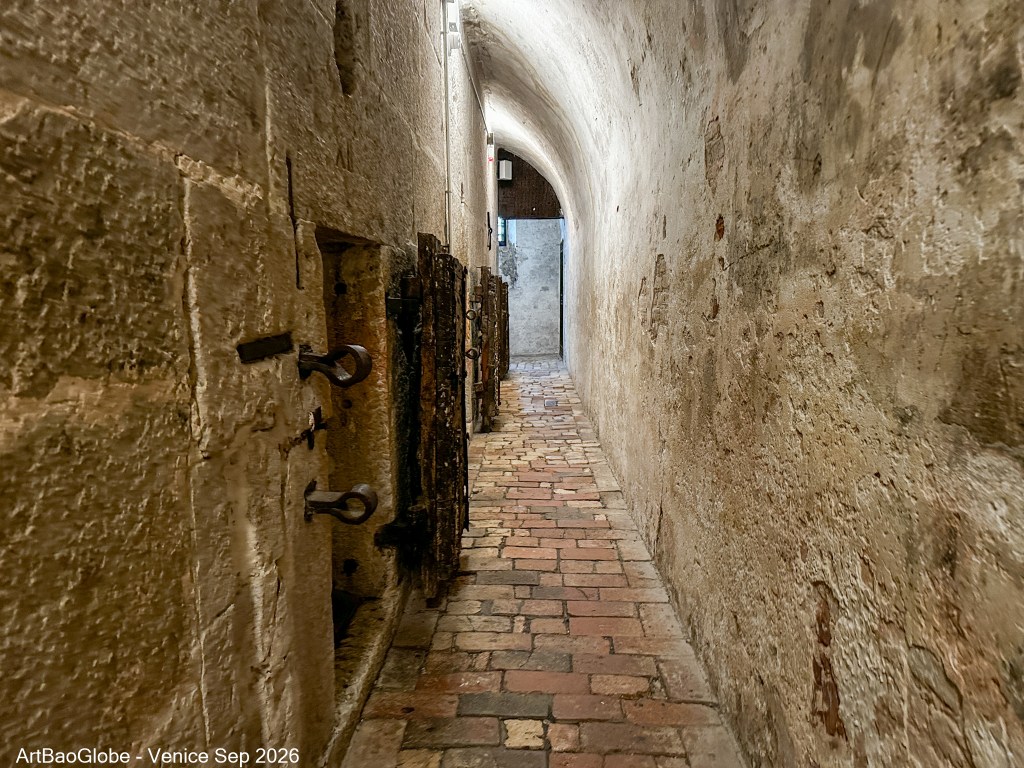
On the other side, the atmosphere changes completely. The prison corridors and stone cells are dark, damp and musty, a stark contrast to the palace lavish interiors. Walking through these confined spaces gives you a glimpse into the harsh conditions prisoners once endured.
The Grand Canal, Venice Main Waterway
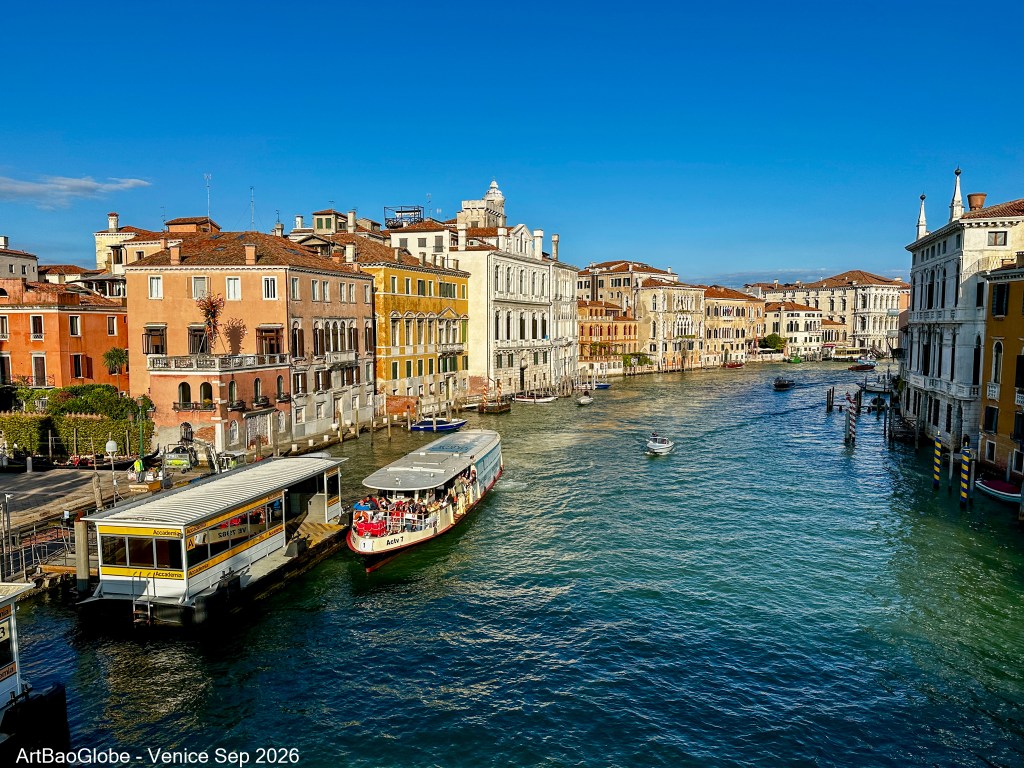
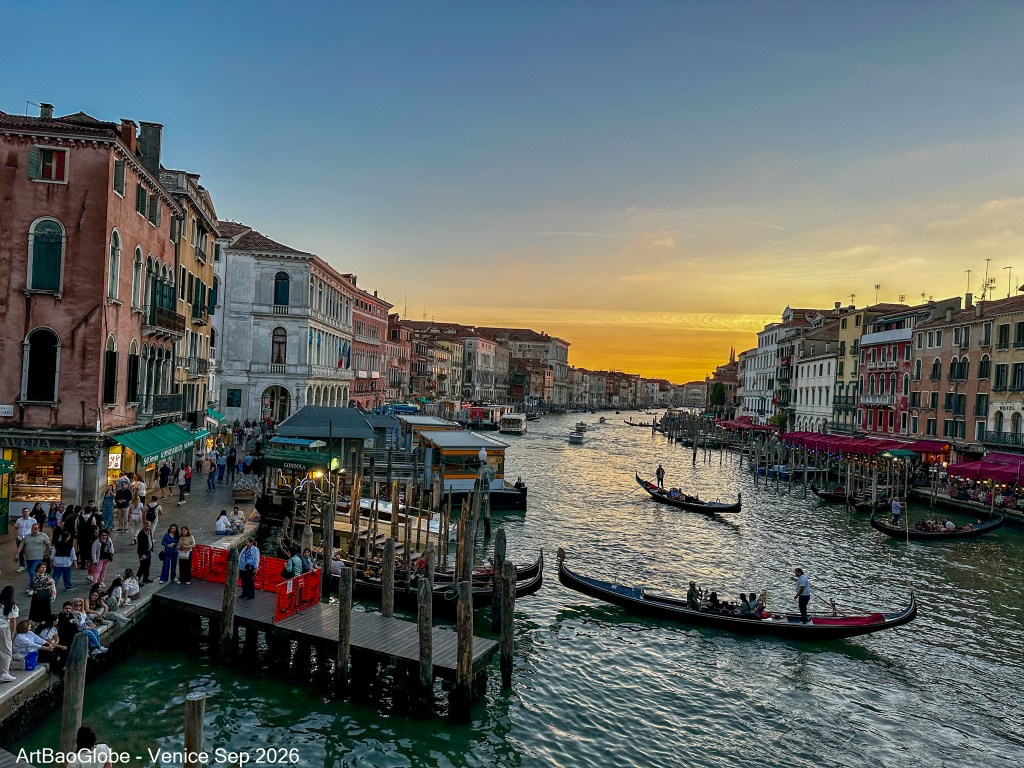
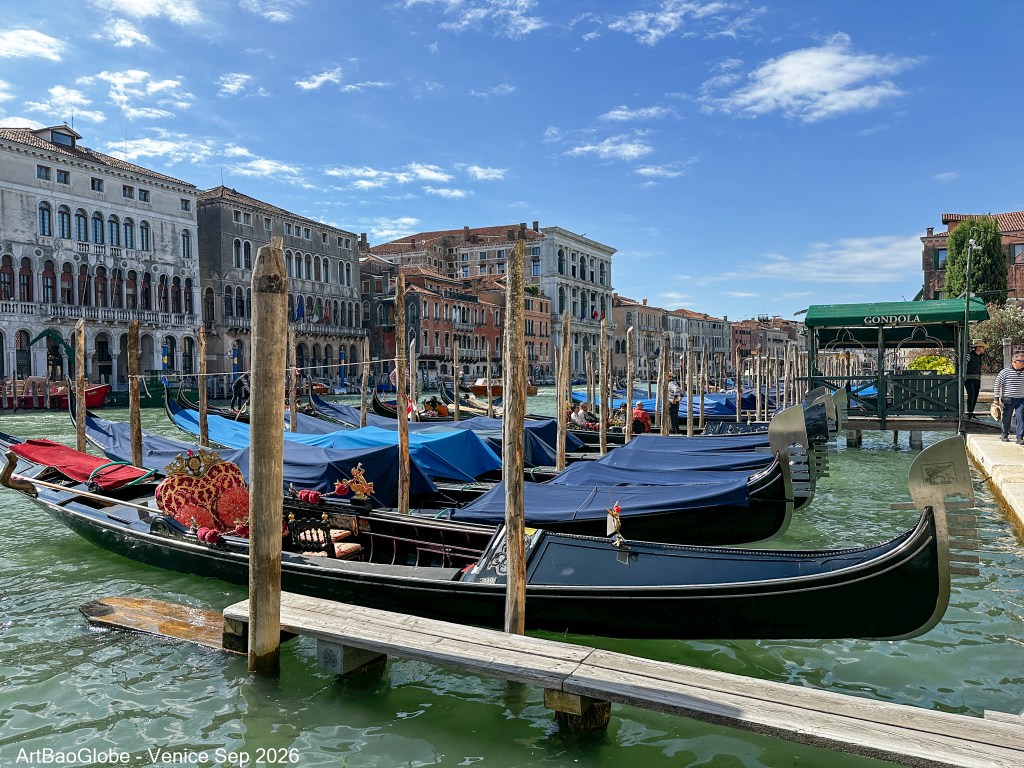
The Grand Canal is the main waterway and lifeline of Venice, often described as the city main street on water. Stretching approximately 4 kilometres through the heart of Venice, it serves as the city busiest water traffic route, connecting major transport hubs, including Piazzale (main bus terminal) and railway station, to different parts of the city.
Since cars are not allowed within Venice historic centre, boats are the main mode of transport. Along both banks of the Grand Canal, you will find an impressive collection of historic palaces and buildings dating from the 13th to 18th centuries. Their architecture showcases a fascinating mix of Byzantine, Gothic, Renaissance and Baroque styles, reflecting Venice wealth and influence throughout its golden age. The best ways to explore the Grand Canal is by taking Venice public water bus. Unlike many cities, there is no continuous walking promenade along the canal, so travelling by water offers a wonderful opportunity to admire the magnificent palaces, historic bridges and beautiful waterfront scenery from a different perspective.
Ponte di Rialto : Rialto Bridge
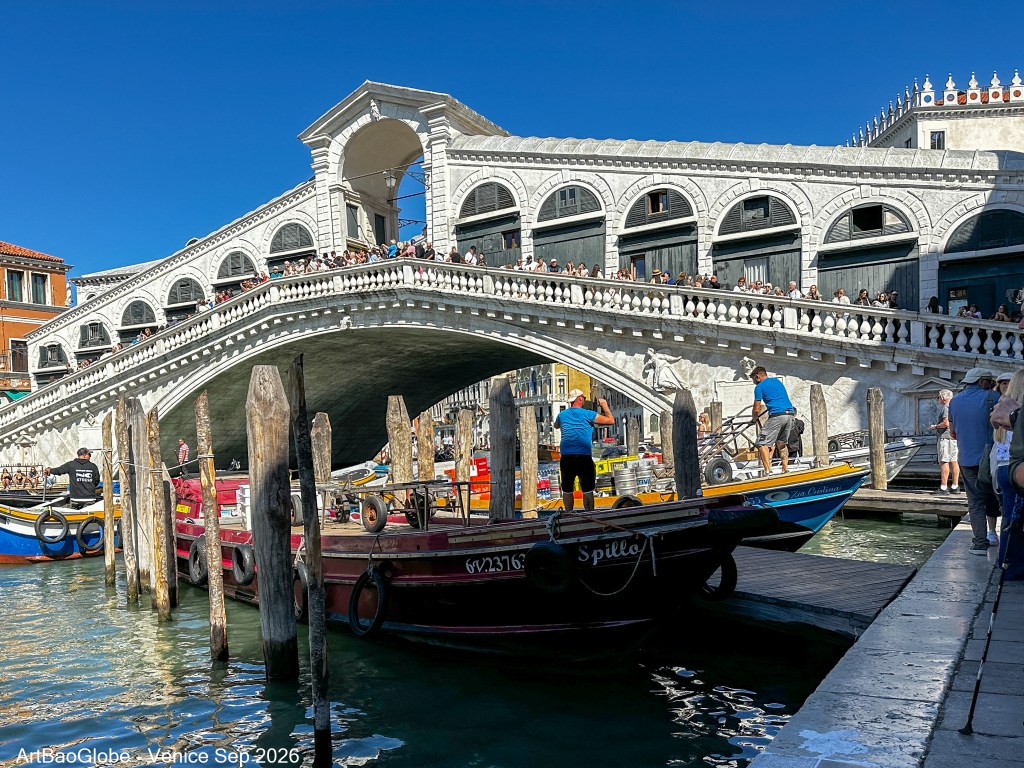
The Rialto Bridge is a beautiful stone arch bridge spanning the Grand Canal. Completed between 1588 and 1591, it was actually the third bridge built at this location, replacing earlier wooden bridges. Today, it is the oldest surviving bridge across the Grand Canal and remains one of Venice most photographed attractions. Measuring approximately 48m long and 22m wide, the bridge connects the districts of San Marco and San Polo. What makes it particularly unique is its rows of small shops lining both sides of the central walkway. These traditional shops, selling jewellery, souvenirs and other goods, are still operating today, keeping the bridge lively with visitors and shoppers.
Beyond being an important crossing point, the Rialto Bridge is a masterpiece of engineering and architecture, and a timeless symbol of Venice. Take a stroll across it, browse the little shops and enjoy the beautiful views of the Grand Canal from above.
Ponte dell’Accademia : Accademia Bridge
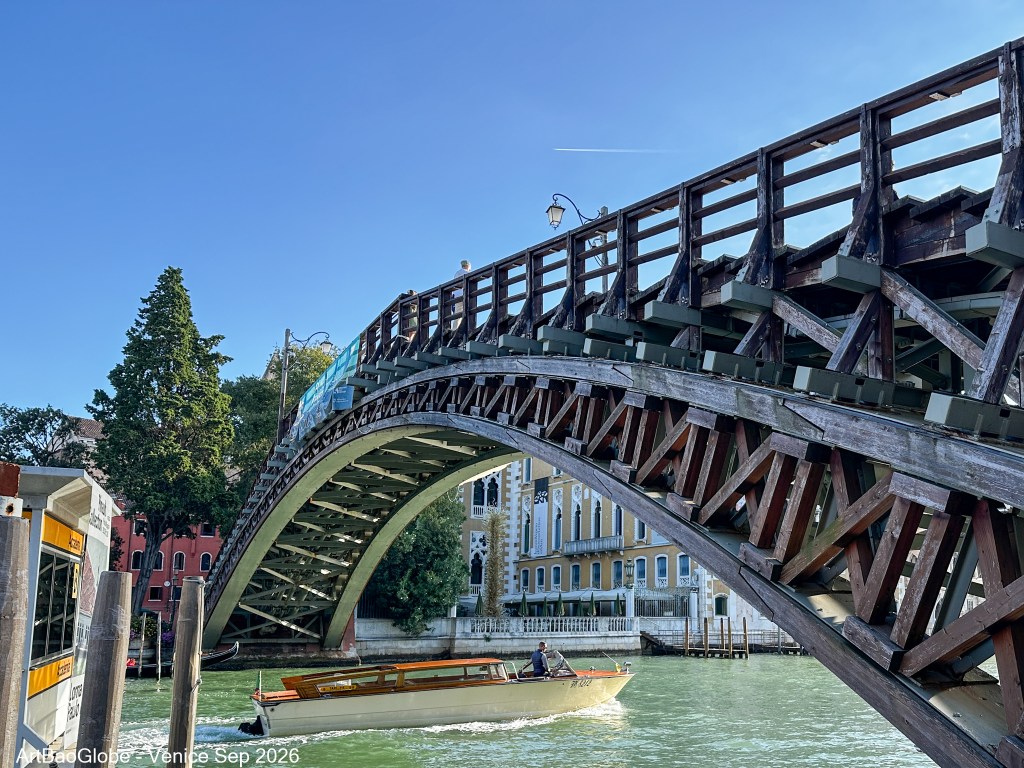
Another well-known crossing over the Grand Canal is the Accademia Bridge, located near the Gallerie dell’Accademia. The original bridge was built in 1854 as an iron structure before being replaced by a wooden bridge in 1933. Its current structure incorporates timber and metal elements.
The Accademia Bridge has a simpler and more rustic appearance. It offers one of the lovely viewpoints along the Grand Canal, with picturesque views of the surrounding historic buildings and waterways.
Ponte degli Scalzi : Bridge of the Barefoot Monks
Built in 1934, this elegant stone arch bridge crosses the Grand Canal near Santa Lucia railway station. It connects the districts of Santa Croce and Cannaregio, offering lovely views of the Grand Canal and the passing boats.
Ponte della Costituzione : Constitution Bridge
Opened in 2008, this is the newest of the four bridges crossing Venice’s Grand Canal, designed by Spanish architect Santiago Calatrava. With its modern steel arch, glass railings and stone steps, it creates a striking contrast against Venice’s historic architecture, connecting Piazzale Roma to Santa Lucia railway station.
Taste of Venice
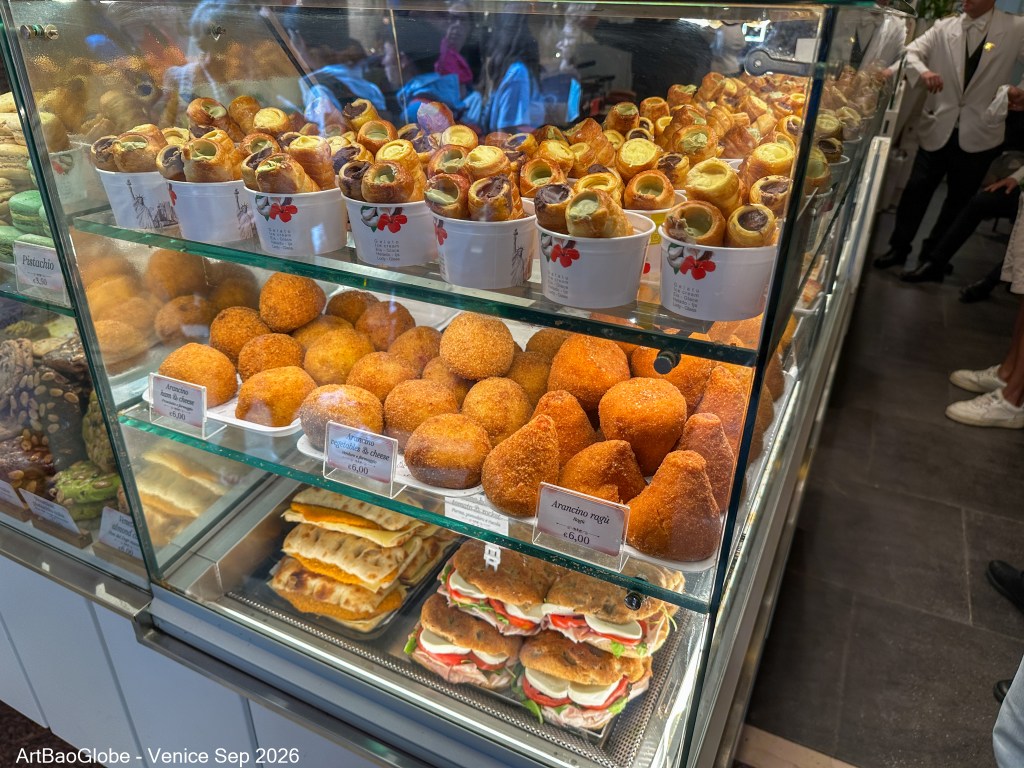
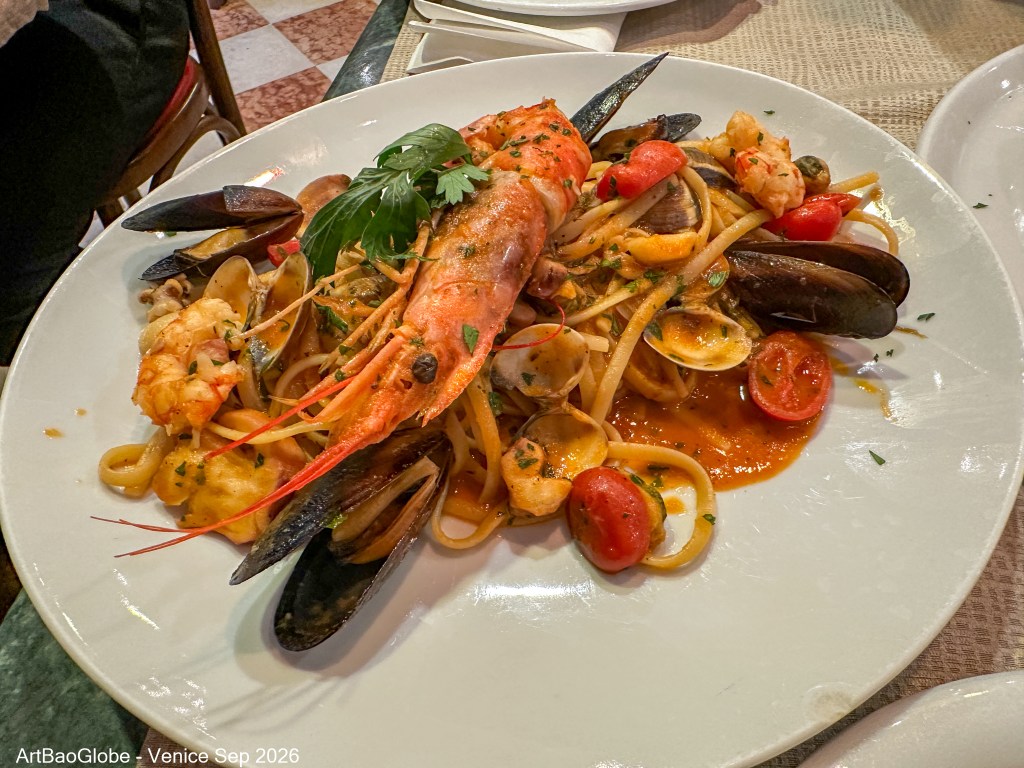
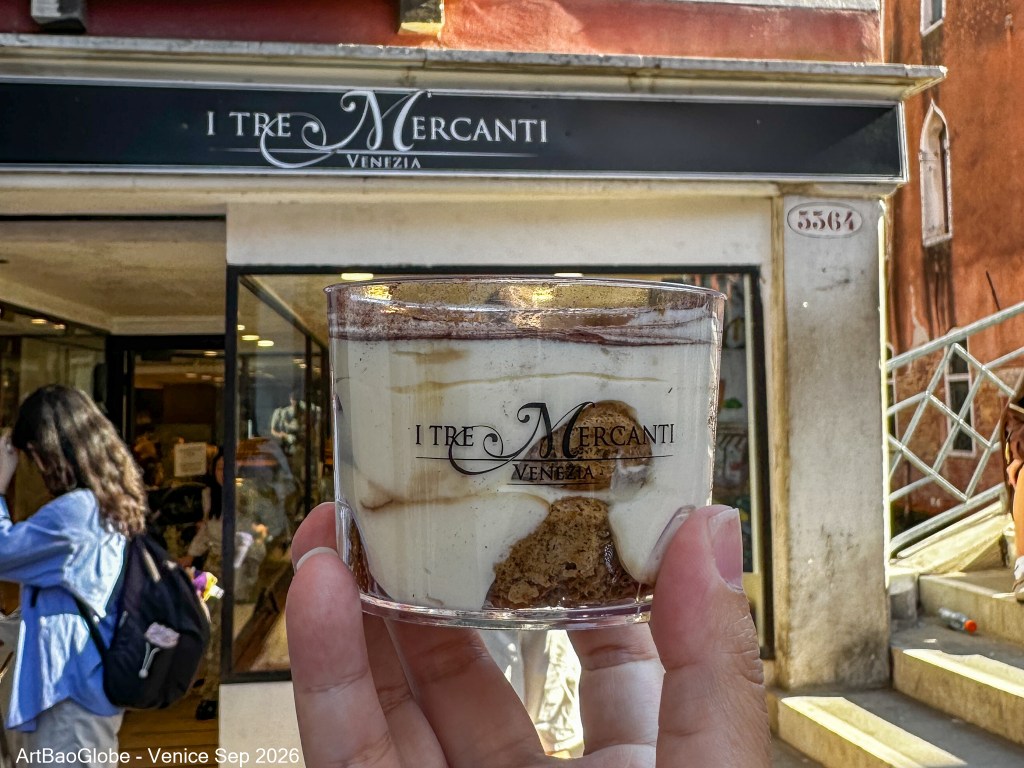
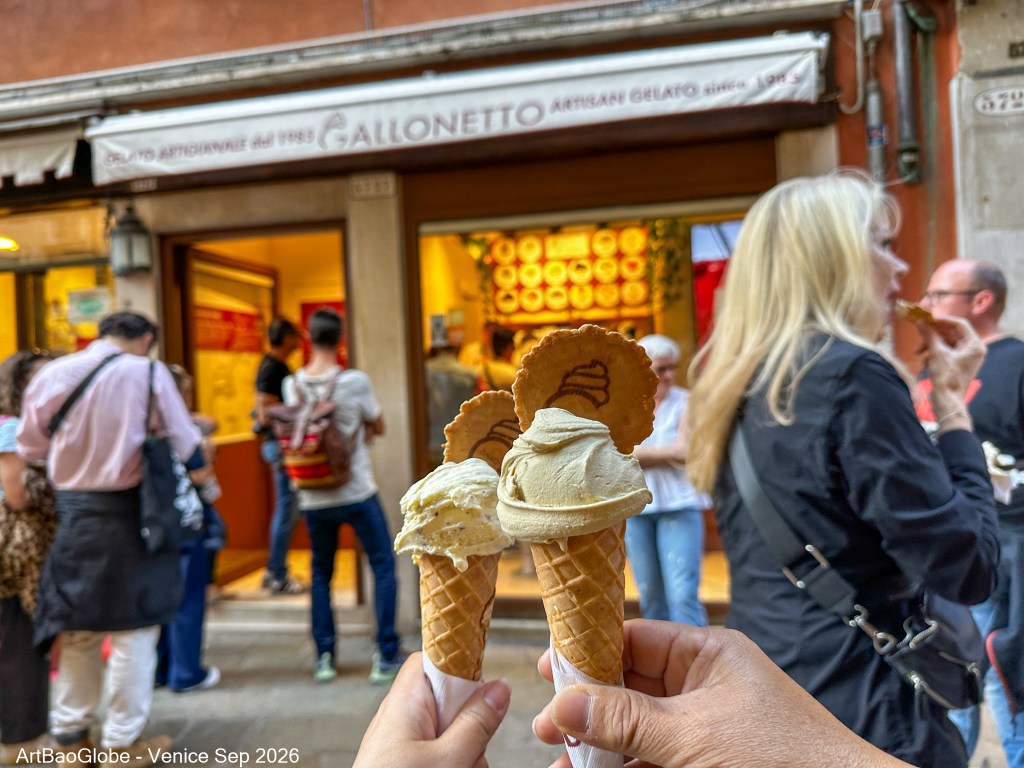
While wandering through the charming inner lanes of Venice, don’t forget to treat yourself to some Italian desserts along the way. A scoop of creamy gelato or a serving of delicious tiramisu is always a good idea, little indulgences that instantly add to the happiness level!
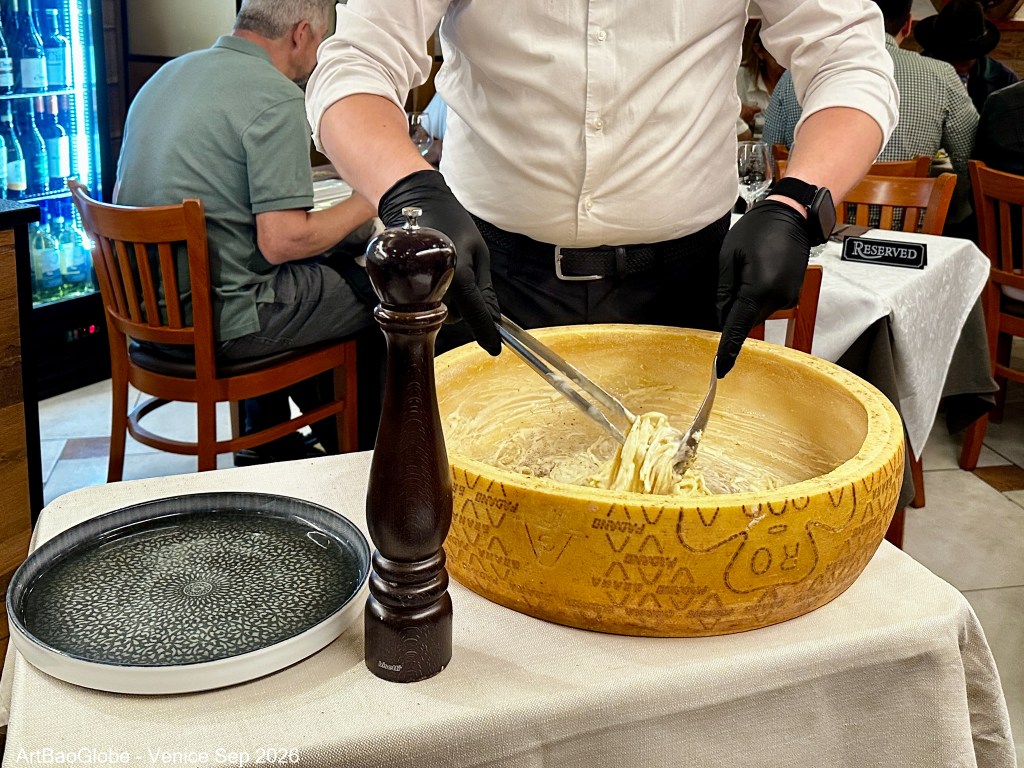
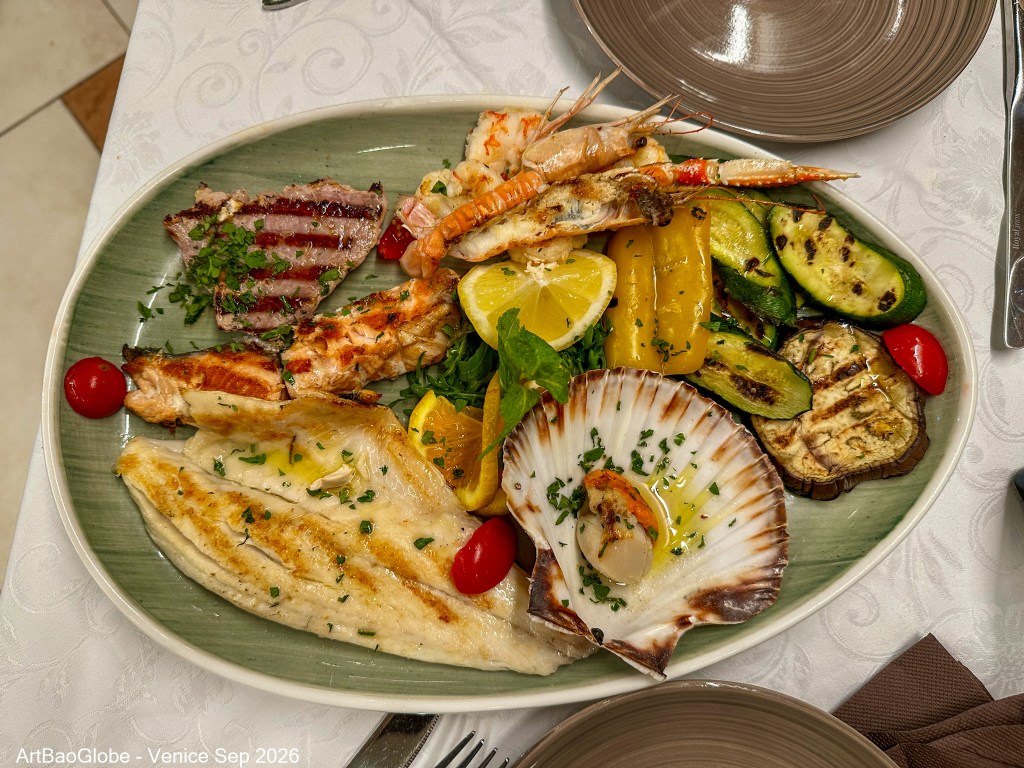
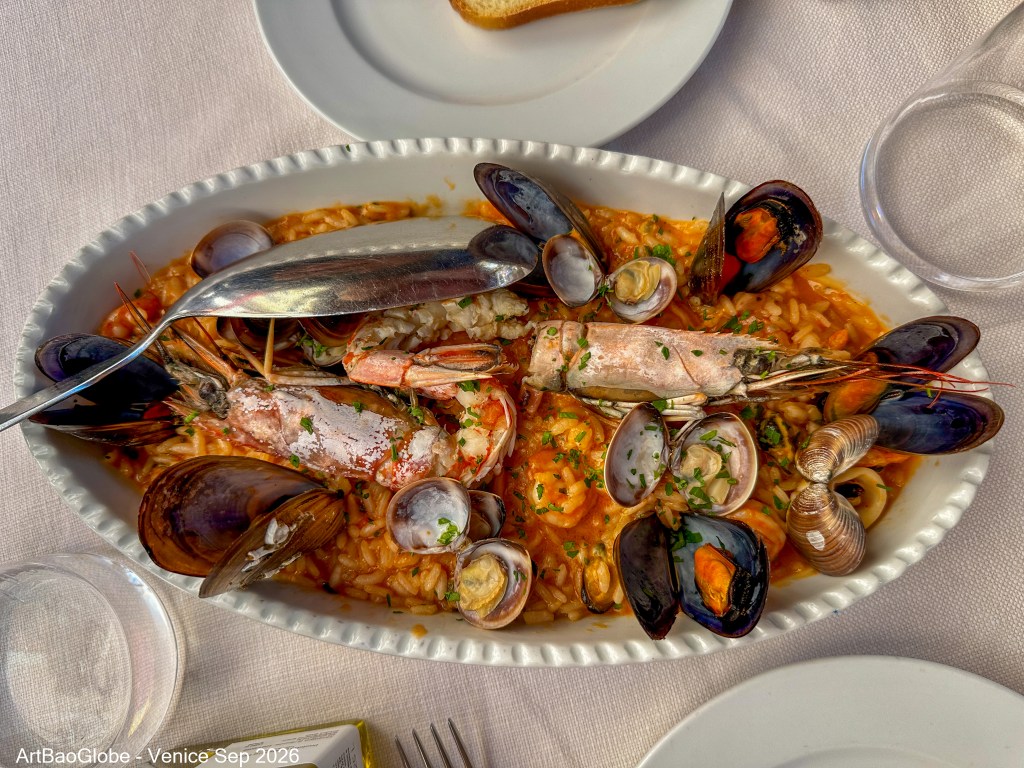
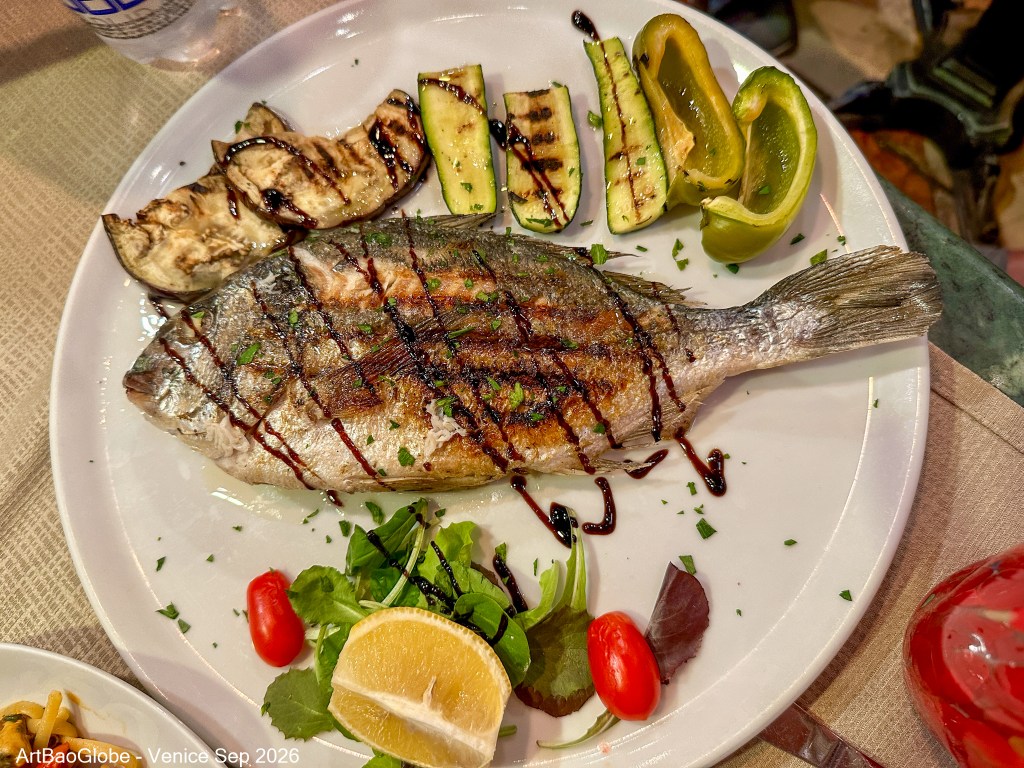
Venice is also a food paradise, and we thoroughly enjoyed every lunch and dinner during our stay. Every meal was simply delicious. Being a city surrounded by water, it is no surprise that fresh seafood is one of its highlights. From flavourful seafood dishes to freshly prepared pasta and even a satisfying steak, there was always something delicious to look forward to.
Overnight @ Dona Palace Hotel
Short walk from Saint Mark Square. Very beautiful and comfortable hotel.

